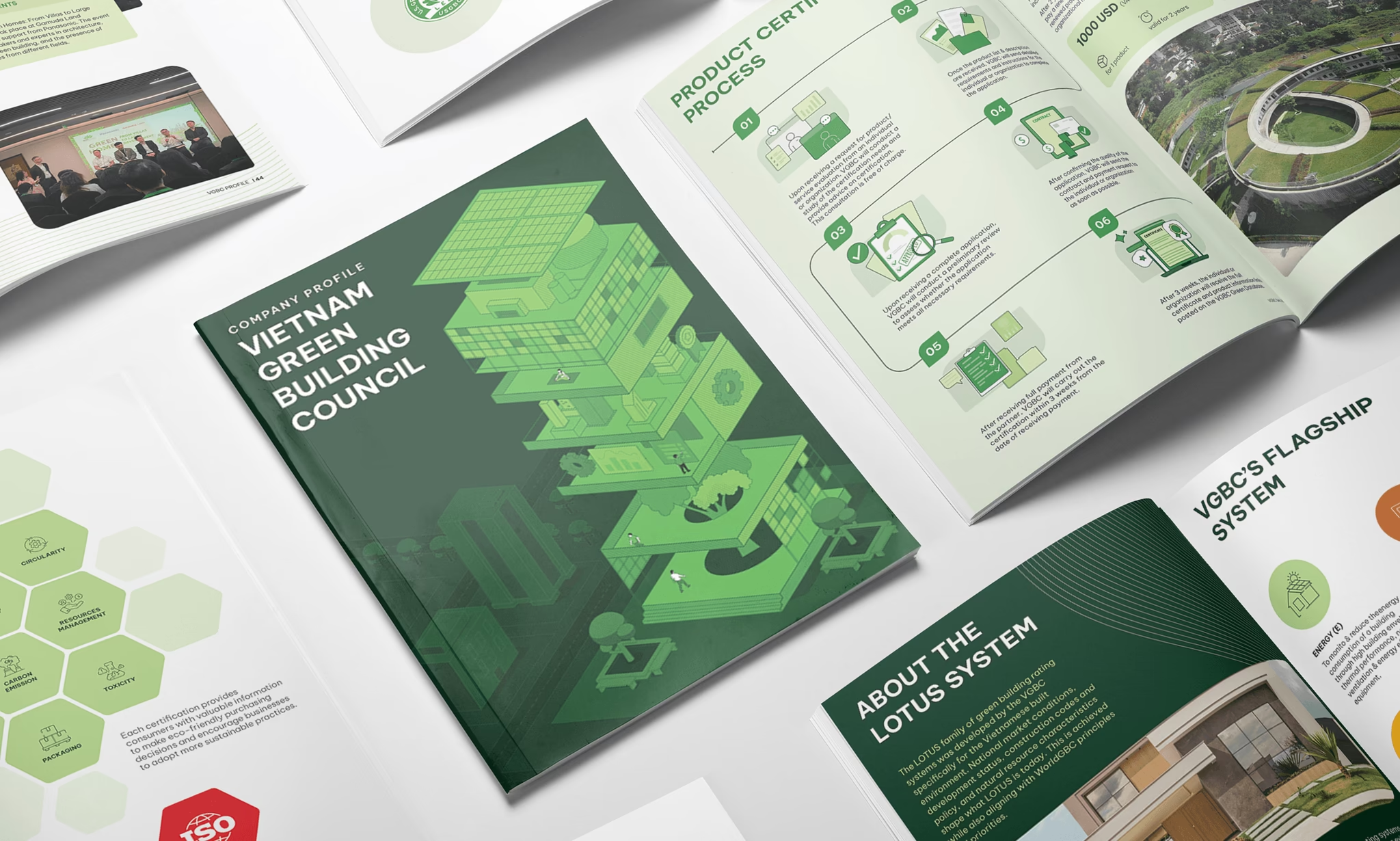
Sustainability & Non-Profit







From intention to impact.
Building progress people can trust.
Purpose creates direction, but it does not create impact on its own. Sustainability initiatives and nonprofit organizations work within connected social, environmental, financial, and political systems where progress depends on many people acting with different forms of power and responsibility. The story must inspire participation without making the challenge or the evidence smaller than it is.
The most credible organizations connect ambition with a visible way of working. They make the problem understandable, show where change can happen, and give communities, partners, funders, employees, and the public a meaningful role. When narrative, experience, measurement, and operations support the same mission, trust grows from what the organization enables rather than what it claims.
A broad promise to make the world better gives people little basis for action or trust. Strong purpose names the change, the people and systems involved, and the role the organization is equipped to play. Specificity makes the mission more distinctive and creates a clearer standard for decisions.
Communities are not audiences around someone else's impact story. People affected by an issue bring knowledge, agency, and different definitions of progress. Research, services, campaigns, and platforms should make their role visible and create ways to participate without reducing lived experience to a fundraising device.
Evidence should do more than defend a claim after the work is complete. Clear outcomes, responsible data, honest limits, and accessible reporting can shape strategy and help people understand what is changing. A credible story makes room for complexity while still giving progress a human scale.
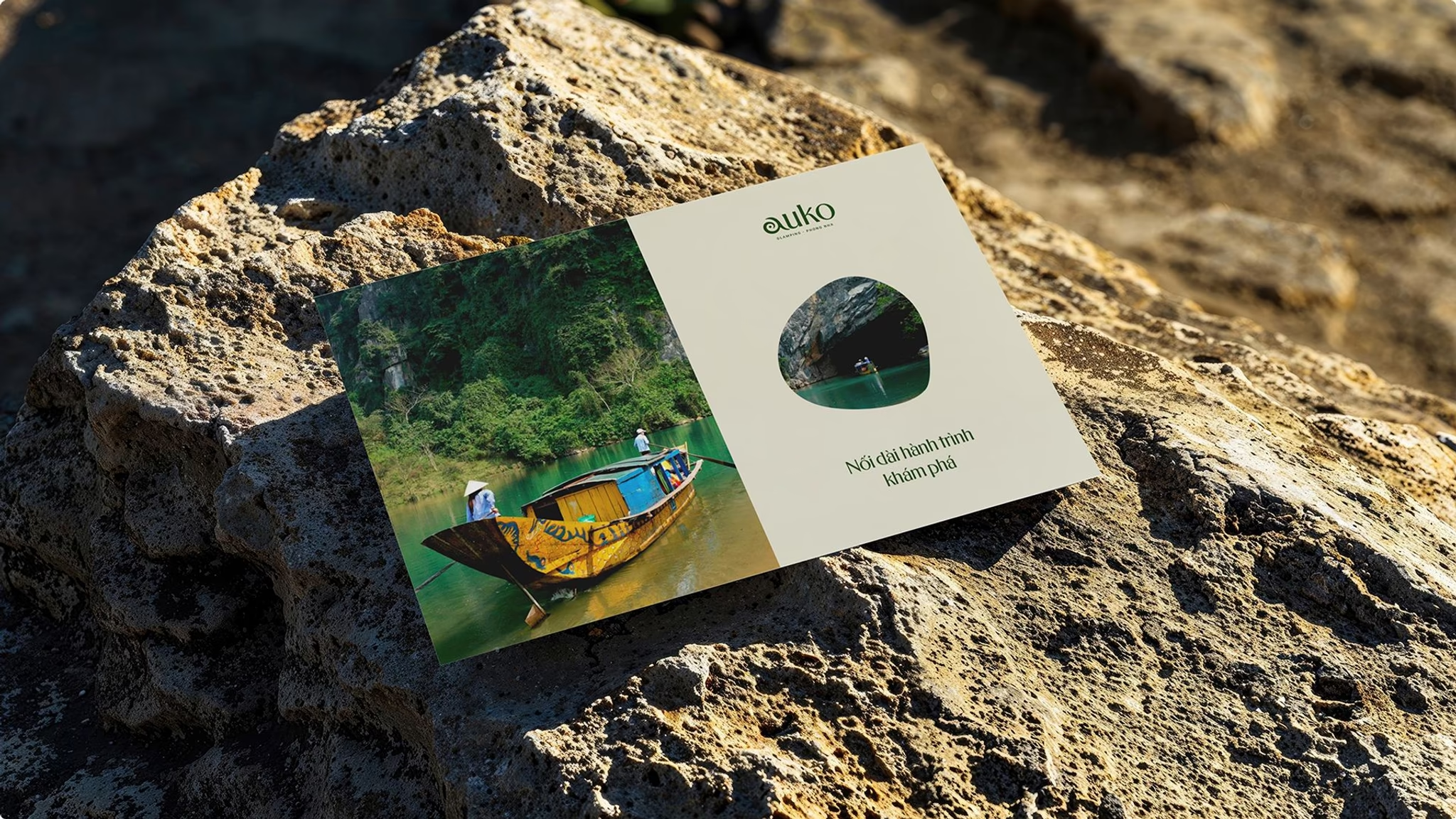
Branding, Brand Strategy & Architecture, Visual Identity, Typeface Design, Brand Cōmpass™
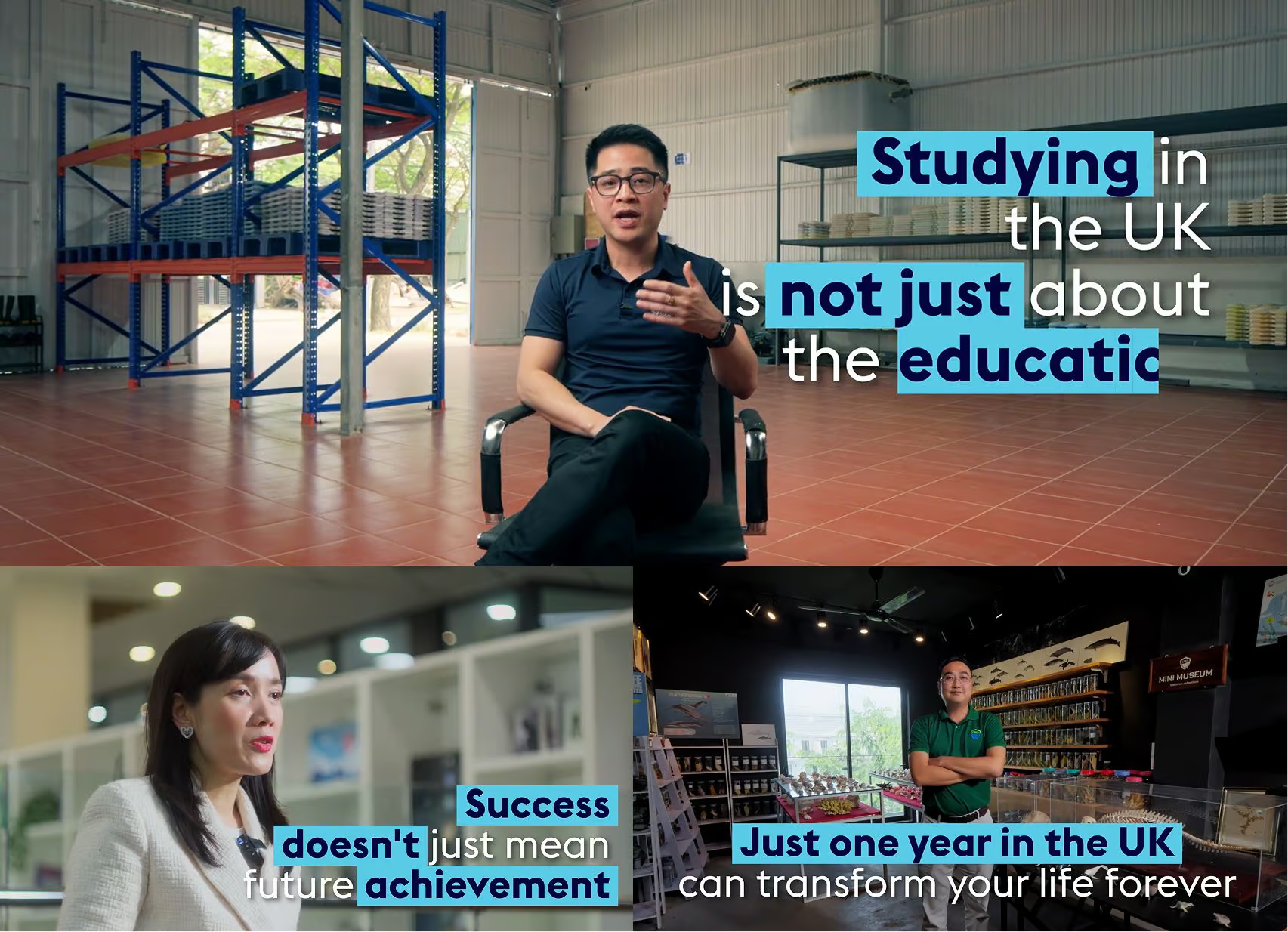
Digital Storytelling, Integrated Marketing Communications