Brand loyalty - A long-term investment for brand growth

Discounts can win customers today, but true brand loyalty keeps them for years. It grows from trust, shared values, and genuine moments people remember.
Lego faces many competitors in the market. Yet, across countless discussion forums, most Lego fans agree on one thing: they remain loyal to Lego and would never choose other brands, even if those alternatives are priced 200% lower. Lego is much more than just a building toy. For many boys growing up with Lego, it’s a journey that nurtures creativity, sharpens logical thinking, and expands boundless imagination. This deep emotional connection creates unwavering brand loyalty that lasts well into adulthood. That’s why Lego continues to hold a top spot in the hearts of its users, despite fierce competition from other brands.
This is the essence of Brand Loyalty. Brand loyalty isn’t just about customers returning to make another purchase; it’s a deep connection built on positive experiences, perceived value, and long-term trust. Customers choose a product they trust for its quality or functionality, and at the same time, they value the beliefs, vision, and values that the brand represents.
1. Brand loyalty - The unseen bond between brands and customers
These days, in a world full of options, we can find information about any product or service with just a few clicks and face a dizzying array of choices. Brand loyalty has become more important than ever. It’s the secret sauce that helps businesses keep customers coming back and stay ahead of the competition.
But what exactly is brand loyalty? It’s not just about liking a brand; it’s a deep commitment that keeps customers choosing that brand time and time again.
Brand loyalty is the strong bond that customers build with a brand, based on positive experiences, perceived value, or long-term trust.
Whether prices go up, designs change, or competitors try to lure them away, loyal customers stick around.
In industries where products are nearly identical, branding becomes the decisive factor. It’s what helps a business stand out in a crowded market. But here’s the thing, brand loyalty doesn’t happen by accident. It’s built, layer by layer, on a foundation of trust.
Here’s what matters most, loyal customers aren’t easily influenced by discounts or sales. They prioritize the relationship, which allows businesses to set higher prices while still keeping their customers. It’s a win-win situation where customers stay loyal to the brands they love, and businesses see greater profitability with every purchase.
2. What kind of loyalty are you really building?
Let’s talk about loyalty. Loyalty might seem simple, but not all loyalty is the same. Customer loyalty and brand loyalty may sound similar, yet they are fundamentally different.
Customer loyalty is like a temporary connection, a short-term relationship fueled by discounts, deals, or rewards. It’s effective while it lasts, but it’s also fragile. The moment a competitor offers a better price or promotion, that loyalty can vanish.
Brand loyalty is like the steady, enduring growth of a tree. Its roots, nurtured by the brand over months and years, are deeply embedded in the soil through consistent care and a genuine understanding of customer needs. It’s built on trust, shared values, and a genuine connection that goes beyond financial incentives. It’s the pride you feel when someone admires your favorite brand, or the confidence of knowing that brand will always deliver, no matter what.

Customer loyalty is like a temporary connection, while brand loyalty is like a steady commitment.
Here’s the key difference: Customer loyalty is transactional. It’s based on exchanging perks for purchases. Brand loyalty is emotional. It reflects how customers feel about your brand, its quality, their experiences, and the alignment of your values with theirs.
Why this matters
- Customer loyalty gets the job done for short-term wins, but it’s fleeting, tied to financial incentives like sales and promotions.
- Brand loyalty stands the test of time. It’s rooted in trust, emotional connection, and the value customers feel every time they choose your brand.
3. Should your brand invest in brand loyalty or customer loyalty?
Here’s a question worth asking: Should your business aim for quick wins with customer loyalty, or invest in the deeper, long-term value of brand loyalty?
This debate isn’t new. It echoes a clash that has shaped business strategies for decades- Customer capitalism versus Shareholder primacy. Let’s dive into what these perspectives mean and why they matter for your brand.
Customer capitalism - Putting customers at the heart
Back in the 1950s, management expert Peter Drucker emphasized that the real purpose of a business is to create and keep customers. His vision was clear: if you focus on serving customers well, long-term success will follow naturally.
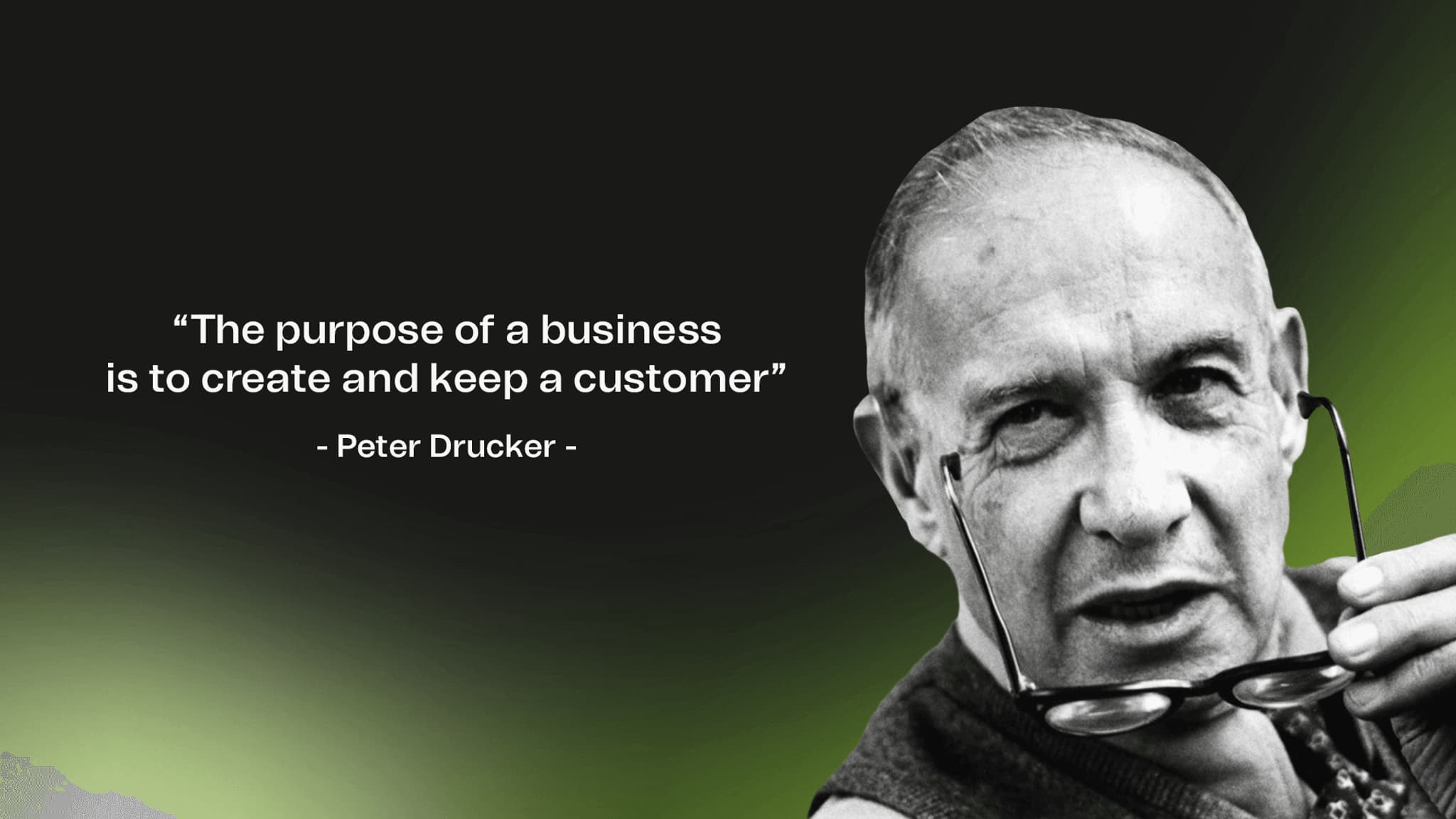
Peter Drucker, a leading thinker in customer capitalism.
Here’s what that looks like:
- Businesses prioritize customer experience, going above and beyond to build relationships that last.
- They invest in programs that encourage repeat purchases, like loyalty rewards or exceptional after-sales service.
- A company might introduce personalized perks for loyal customers, making them feel valued and understood.
Shareholder primacy and the race for short-term gains
Fast forward to the 1970s, and Milton Friedman brought a different perspective to the table. He argued that businesses exist to maximize profits for shareholders. This approach became the foundation of the “shareholder primacy” era, where the bottom line drove every decision.
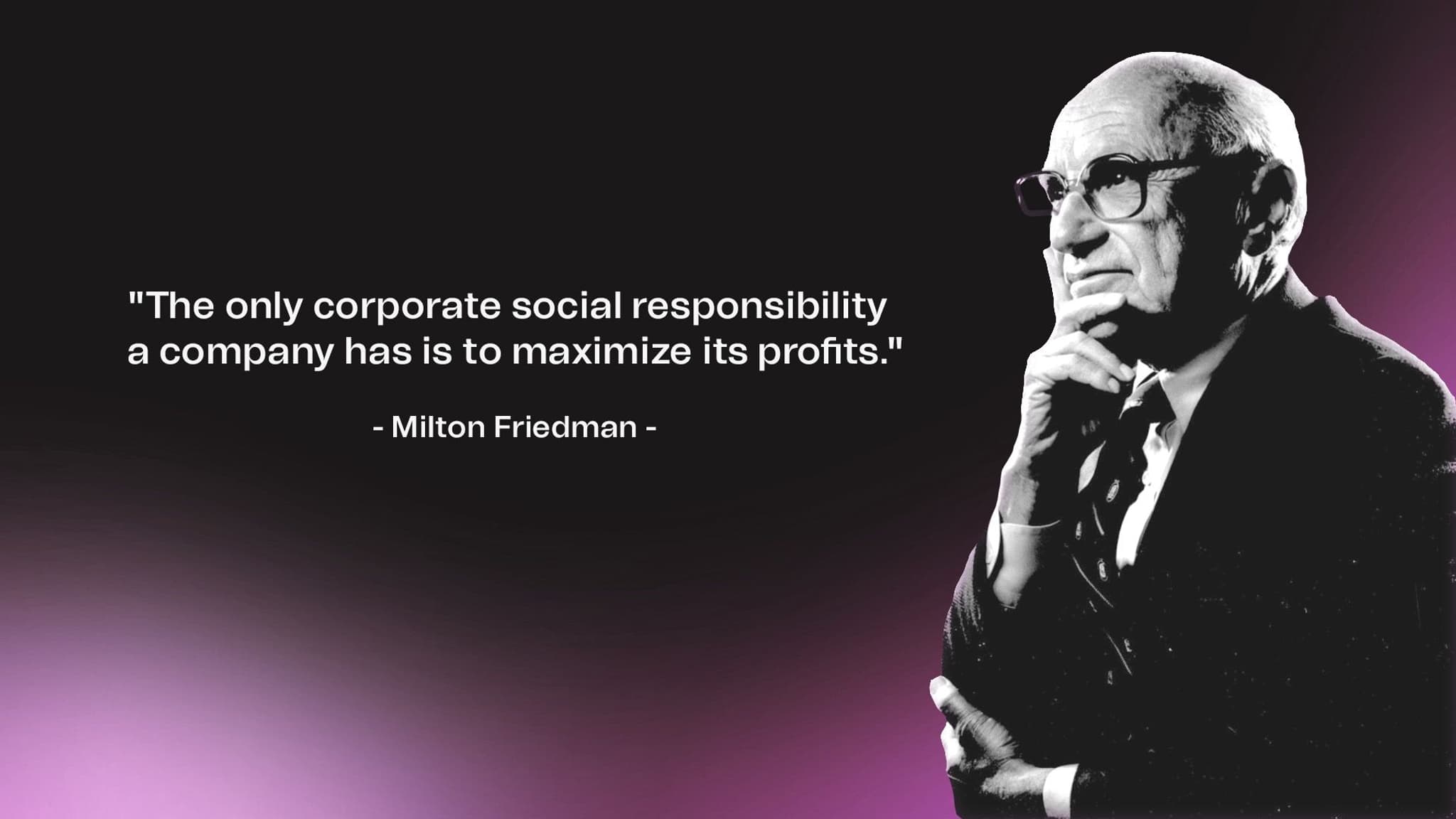
Milton Friedman - a proponent of shareholder primacy.
Here’s what it entails:
- Companies focus on cutting costs and driving immediate profits.
- Customer loyalty isn’t a priority because its benefits take too long to materialize.
- Businesses might rely on heavy discounts to lure new customers, even if those customers don’t stick around.
The bigger picture
It all comes down to priorities. Shareholder Primacy aligns with short-term customer loyalty strategies, emphasizing quick financial wins. Meanwhile, Customer Capitalism is all about emotional connections and creating lasting value, which aligns perfectly with the principles of brand loyalty.
So, should your brand play the short game or the long game? The choice depends on where you see the most sustainable growth, but as history shows, investing in customers always pays off in the end.
4. Finding the right balance in today’s business landscape
In our view, businesses that prioritize customers don’t just benefit their buyers; they create a ripple effect that uplifts everyone, including shareholders. It’s not about choosing between the two; it’s about finding a balance that drives growth, trust, and sustainability for the long term.
When a company invests in delivering exceptional value to its customers, the results are far-reaching. Loyal customers bring repeat business, positive word of mouth, and an emotional connection that strengthens the brand. Over time, these factors contribute to stronger shareholder returns, proof that prioritizing customers isn’t just good ethics; it’s a smart strategy.
This perspective isn’t just our own. In 2019, it was echoed by some of the world’s most influential CEOs, including Tim Cook (Apple), Jeff Bezos (Amazon), Mary Barra (GM), Robert F. Smith (Vista Equity Partners), and Larry Fink (BlackRock). Together, they issued a Statement on the Purpose of a Corporation that reshaped how businesses see their purpose.

CEOs who endorsed the Statement on the Purpose of a Corporation.
Their key message:
- Businesses don’t exist solely to serve shareholders.
- True success comes from creating value on multiple levels:
- Direct value by offering high-quality products and services that meet customer needs.
- Indirect value by supporting causes that customers care about, such as environmental sustainability, ethical practices, and community well-being.
This statement marked a shift from the traditional focus on shareholder primacy to a broader commitment to all stakeholders, including customers, employees, suppliers, and communities.
5. Wrap-up
Brand loyalty isn’t just about selling a product; it’s about creating a story, a shared journey where customers feel valued, understood, and genuinely connected. At the end of the day, building brand loyalty isn’t just a strategy, it’s a promise to your customers. And when that promise is kept, the rewards resonate far beyond the bottom line, creating value that lasts for generations. So, let’s not settle for quick wins. Let’s aim for something greater: loyalty that stands the test of time and drives success for years to come.