Design without strategy? Don’t let creativity become chaos

Design without strategy is like building without blueprints; despite effort, there's still a risk it’ll be torn down and built all over again.
"Take the first draft for me."
“It’s good, but it doesn’t quite blow me away!”
These are the kinds of phrases that haunt designers. After dozens of revisions, you still have no idea what “wow” is even supposed to mean. The loop goes on and on, wasting time and resources, and yet the final result still falls short of expectations.
So what’s keeping us stuck in this endless cycle? The answer lies in the lack of a clear design strategy. Without a strategy, design becomes chaotic with no real direction, no end in sight, and no lasting value. On the other hand, a strategic design approach gives you a clear plan and purpose, leading to outcomes that are not only visually striking but also truly meaningful.
What happens with and without a clear design strategy?
Now imagine being given two options: one design with a clear objective, direction, and message, and another with no defined goal at all. Which one would you choose? Below is a side-by-side comparison between strategic and non-strategic design, so you can see the difference.
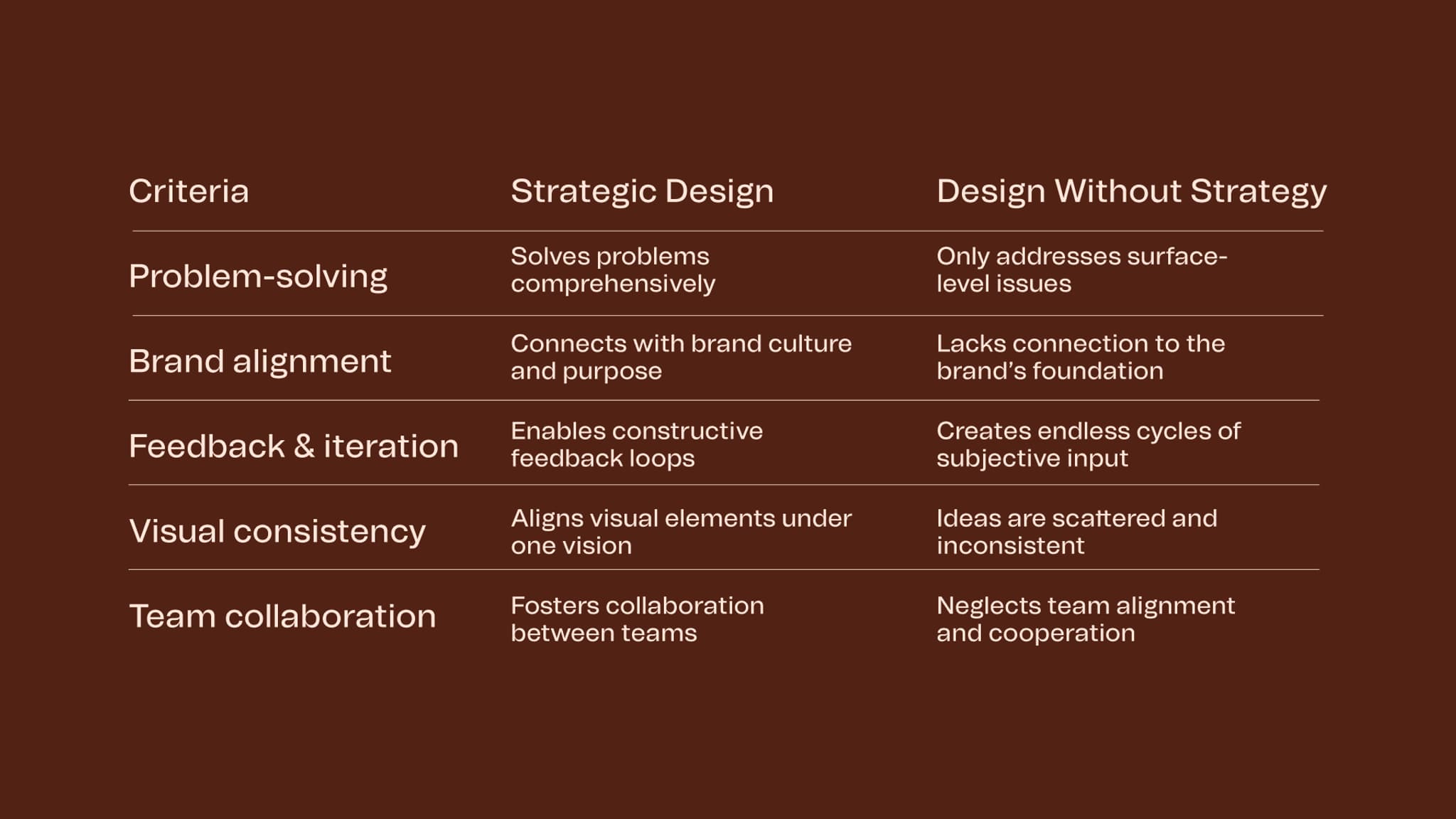
The difference between strategic design and non-strategic design
1. Design without strategy is just a decoration poster
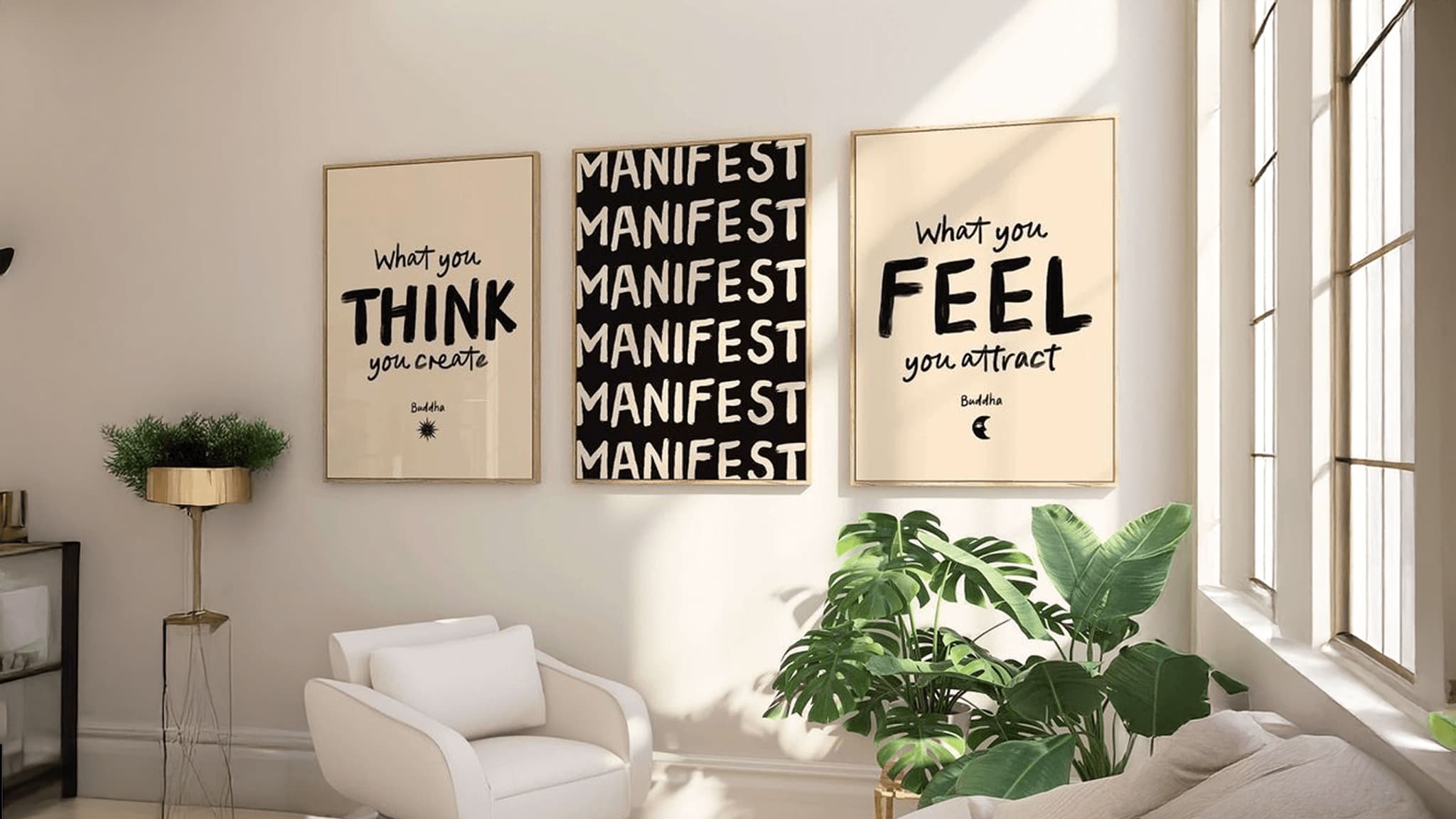
Design without strategy is just a decoration poster
Strategic design leverages traditional design principles to solve systemic challenges, empowering organizations to innovate and achieve strategic goals. Without strategy, however, design becomes mere aesthetic art, disconnected from purpose or direction.
Art can be a beautiful expression of personal creativity, needing no explanation. But strategic design has a purpose, it serves specific needs, aligns with goals, and creates tangible value.
A logo can be visually appealing. Yet, if it fails to connect with a brand’s message and core values, it becomes meaningless. In contrast, a strategically designed logo builds recognition and resonates with customers and reflects a brand’s identity.
2. Design is only valuable when it delivers value
The value of your design isn’t defined by your role as a creator, it’s determined by the impact it has on your client or audience. Without a strategy, there’s no way to measure or demonstrate that value.
A strategic design addresses clear objectives, such as building brand identity, enhancing product experience, or improving company visibility. Clients can see the benefit, making them more receptive to your ideas. Design without strategy, however, is purely decorative, leaving clients confused about its purpose.
Identifying this value is crucial. When clients understand how your design solves their problems, they’re more likely to trust your vision. This clarity eliminates vague, subjective feedback and aligns both designer and client toward a shared goal.
3. What happens if we don’t plan a design strategy?
Designers lose direction without a strategy
For designers, working without a strategy often leads to losing direction and straying from the original goals. Without clarity on the design’s purpose, understanding client needs, or identifying the target audience’s mindset becomes nearly impossible. The result? Emotionally driven, subjective designs that lack focus on the project’s ultimate goals.
Furthermore, presenting your ideas to the client becomes challenging, and the conversation grows murky. The client might find your design visually appealing, but it fails to spark excitement or align with their objectives. This leaves them struggling, or worse, unable, to understand the value of your design.
A well-defined strategy, combined with audience research, ensures the design is both effective and relevant. With a strategy in place, you gain deep insights into the client’s needs and can address them precisely. Without it, the design process risks producing fragmented, disjointed results that lack cohesion.
We’ve seen this kind of mistake unfold on a massive scale, most notably in 2013, when Yahoo changed its logo but failed to reclaim its market position. Yahoo launched the “30 Days of Change” campaign, releasing 30 different logo variations over 30 days. The final version would be chosen based on which one received the most positive feedback from netizens. It sounded exciting. Everyone was now participating in shaping the visual identity of one of the world’s most iconic tech companies. Naturally, the campaign generated a media frenzy around the world.

Yahoo released 30 logo versions within a month.
However, it wasn’t a win for Yahoo. In most cases, a logo change is backed by strategic decisions, repositioning the brand, signaling transformation, or launching a new chapter. But Yahoo’s new logo? It was reportedly designed in-house, overnight, by a small internal team. There was no user research, no brand repositioning strategy, and no clear communication plan. The change was driven purely by a vague desire to “refresh the image.”
Although the new logo looked cleaner and more modern, it failed to create stronger recognition. It lacked distinction, symbolism, and emotional resonance. More importantly, it did nothing to address Yahoo’s real challenges: a loss of strategic direction, declining market share, and a fading brand identity amid intense competition.
Users were left confused and detached. They didn’t understand the reason behind the change, saw no meaning in the new design, and gradually lost trust in a brand that was once a symbol of the early internet era.
Clients give unclear feedback when strategy is missing
From the client’s perspective, subjective feedback often stems from the absence of a unified strategy between designer and client from the outset. These “emotional” reactions can derail the direction of the project and stray far from the client’s actual needs. Psychologically, they feel disconnected from the final product presented to them.
Let’s be honest, you’re tired of endless feedback, whether you’re the designer or the client, right? Repeatedly making adjustments based on vague opinions not only drains energy but also weakens the designer-client relationship. Without a clear objective, both sides struggle to align, turning the project into a never-ending nightmare.
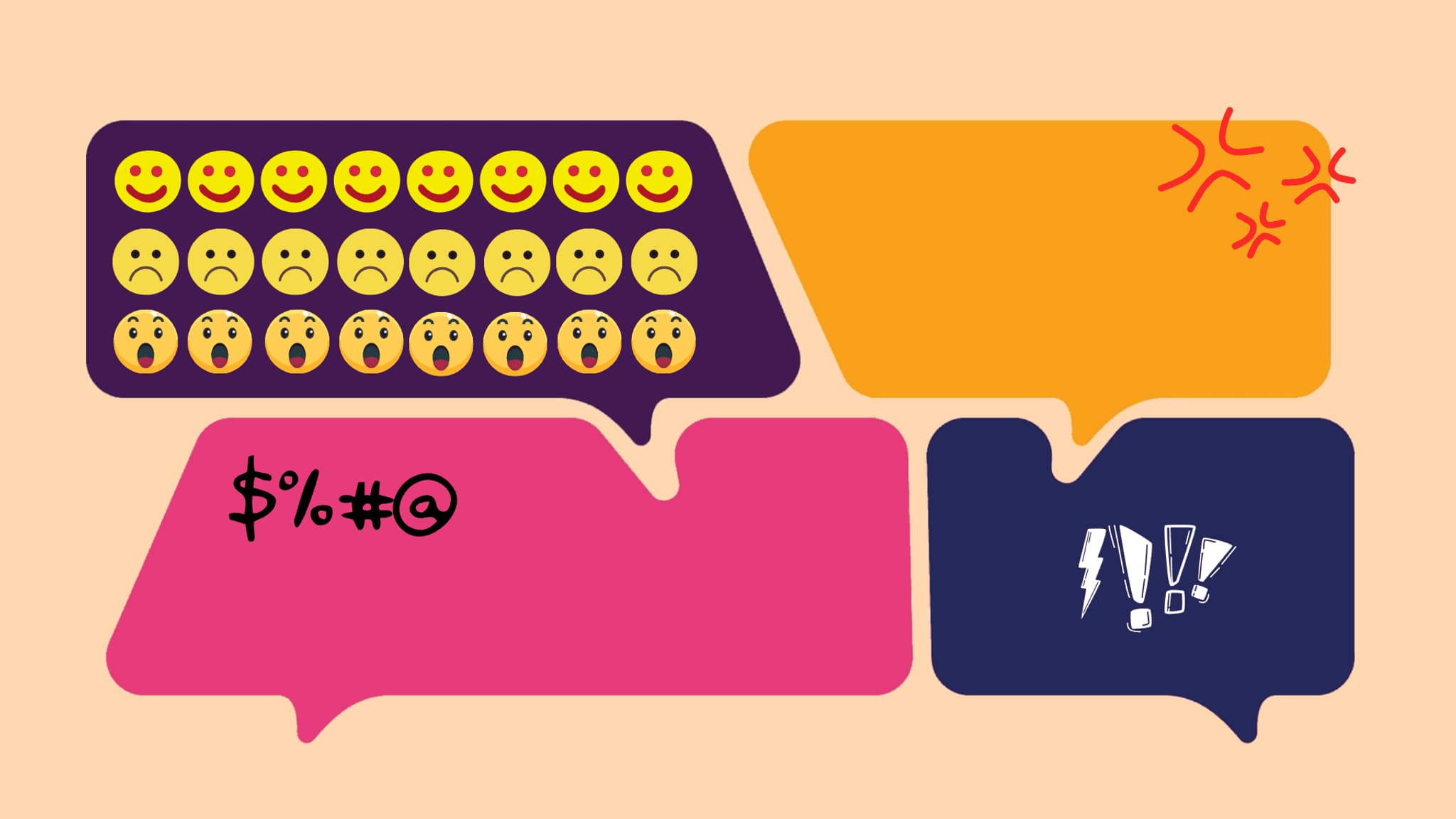
Clients give unclear feedback when strategy is missing
Speak to the wrong audience, lose the sale
And more importantly, a lack of strategic thinking in design can lead to a series of brand-building campaigns without clear direction. This will seriously affect your communication plans because, from the start, your brand hasn’t clearly defined its goals or understood your customers’ preferences and needs.
As a result, you end up with design outputs that are aimless, soulless, and fail to express your brand’s personality. Over time, this disconnect weakens your relationship with customers and eventually impacts your revenue.
That’s why this is not a small issue. It’s something both business owners and designers need to pay serious attention to, because they are the ones shaping your brand identity and communication materials.
In 2010, GAP made a classic branding misstep. Without any prior announcement or explanation, the brand abruptly replaced its iconic serif logo, recognized by consumers for over two decades, with a modern, minimalist, tech-inspired sans-serif design, accompanied by a light blue square in the upper right corner. The intention may have been to refresh the brand’s image for the digital age, but the result backfired almost immediately.

GAP logo - before and after
Loyal customers disliked the new logo, and they felt alienated by it. For the customer, GAP wasn’t a tech startup looking to “disrupt” or rebrand. GAP was a symbol of American casualwear: familiar, comfortable, and rooted in everyday simplicity. The new design, while clean, severed that emotional connection.
Within just six days, GAP scrapped the redesign and reverted to its original logo. It became a classic example of how brands can fail when they update their identity without truly understanding who they’re speaking to, the loyal customers who have shaped their brand over time.
Design without strategy fails to resonate with the audience
Lastly, think about your audience, the people who will see and interact with your design. Do you expect people to engage with your design when they don’t even understand what you’re trying to say? If the message isn’t clear or relevant, they won’t connect with it, no matter how good it looks. In some cases, your design might completely miss their real needs.
Worse, it might even feel out of place or tone-deaf to the cultural context. When that happens, the damage to your brand’s reputation can be serious. This kind of misstep happens often with global brands entering new markets. Without proper research into the culture, behavior, preferences, and mindset of the target market, even the most well-funded campaigns can fall flat, or worse, backfire.
A classic example is Gerber, the baby food brand under Nestlé. When they launched in Africa, their packaging featured a cute baby image, just as it did in the U.S. However, sales were dismal. Why? In Africa, it’s customary for labels to display the product’s contents, as many consumers cannot read. Gerber’s packaging inadvertently confused their target audience.

Product packaging by Gerber in Africa
4. So, what does a design strategist do to make design strategic?
A design strategist doesn’t just respond to short-term requests, they operate at the intersection of organizational needs and customer expectations. Their role goes beyond making something look good. It’s about solving real, specific problems that the customer is facing. Here are a few actionable principles that may help you get started:
Design should align with brand strategy and personality
Design needs to align closely with the brand’s strategic direction and personality, this is essential for building a strong and consistent brand image. Every brand has its own identity, reflected through visual elements like colors, logos, tone of voice, and more.
Design should clearly express the brand’s strategic goals and the message it wants to convey. That’s what creates strong recognition and emotional connection in the minds of customers. When design matches the brand’s personality, it doesn’t just make the brand stand out, it builds trust and loyalty over time. So, how can designers understand the strategy and personality of a brand? The answer is simple: ask your clients.
Yes, if you’re unsure about a brand’s values or core direction, treat your client as your “anchor”, listen closely and build from there. Here are some of the questions we often use to guide client conversations and gather meaningful insights. They might be useful for you too:
For brand strategy:
- What are the key components of your brand strategy?
- How do you know that your service or mission is unique or different from others?
- How do you guide your team to stay aligned with the brand’s identity and mission?
For brand persona:
- Do the traits of your brand persona align with your ideal customer?
- How can your brand persona influence or connect with your customer’s lifestyle?
- How do you build a brand persona that appeals to a broader or less niche audience?
Engage clients from the beginning
Clients are not just recipients of the final product, they need to feel like an integral part of the creative process. Inviting clients to collaborate from the outset positions them as co-creators in the project. When they’re involved early, they become more invested and provide constructive feedback, leading to a stronger connection with the final product.
Listening to and empowering clients to contribute ideas early, rather than waiting until the final stages, elevates the design process. Discuss options, collect input iteratively, and make clients feel they’ve played an important role in the end result. This not only enhances design quality but also fosters a sense of shared ownership.
When it comes to brand personality, you can’t ignore FedEx - one of the fastest delivery companies in the world. Naturally, their target audience consists of people who need a reliable shipping service that delivers right to the door with near “light-speed” efficiency. Thanks to their dependable service and flexible delivery capabilities, FedEx has earned the trust and loyalty of customers worldwide.

FedEx logo showcasing the brand’s fast and reliable personality.
The FedEx logo is famous for its hidden arrow in the negative space between the “E” and the “X” - a clever detail that perfectly captures the brand persona of speed, efficiency, and reliability. This design is not only highly recognizable, but it also communicates a strong message about global logistics, credibility, and seamless connection between locations.
Break the design process into stages
One effective way to maintain strategic alignment is to divide the design process into clear, manageable steps. Instead of unveiling a polished, complete design at the project’s conclusion, share sketches, rough drafts, and early versions. This transparency allows clients to see the development process, provide feedback, and participate in refining the final outcome.
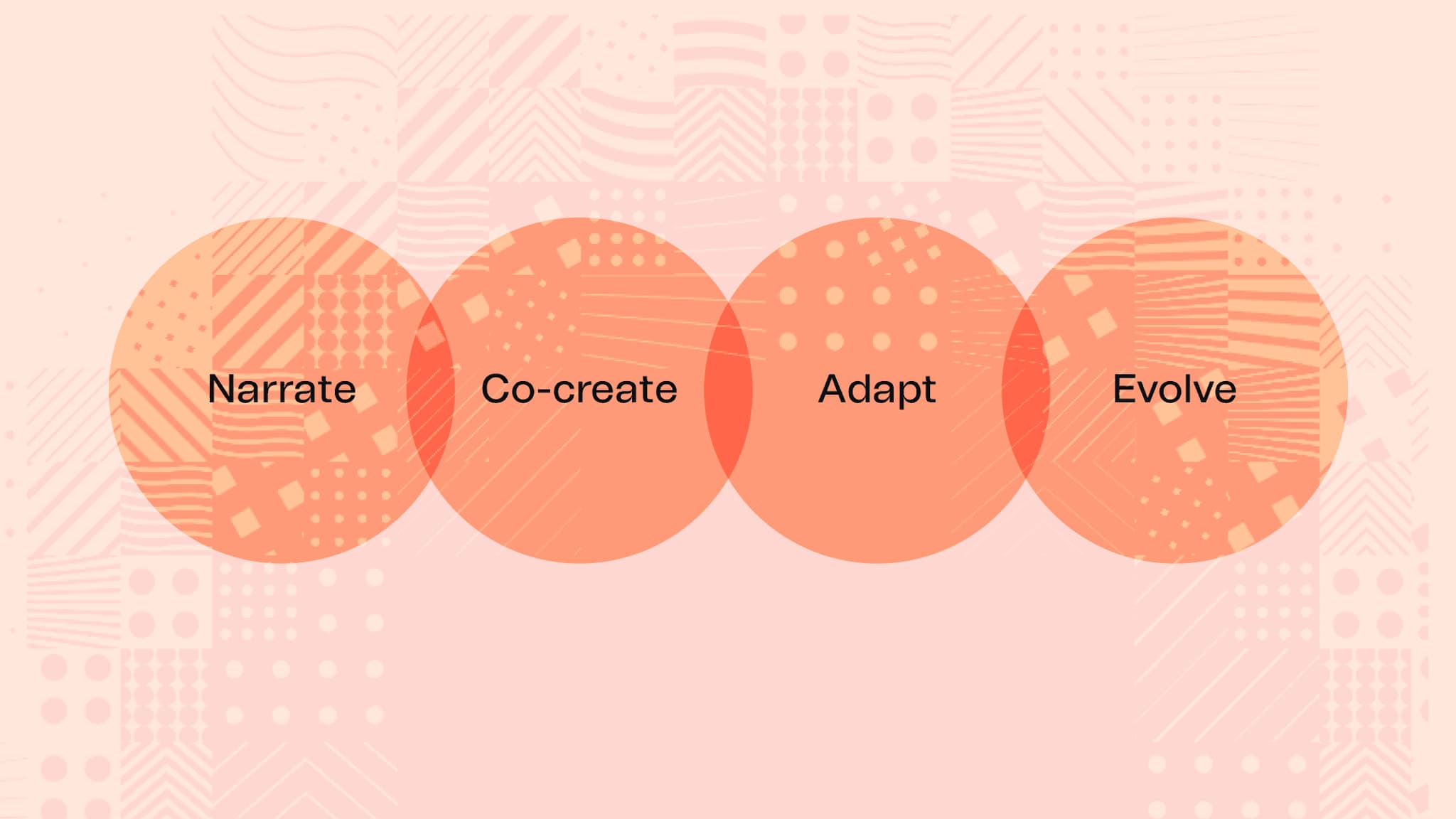
The stages of a design process
However, you must consider the client’s familiarity with design concepts (design awareness). Some clients may struggle with complex design terminology or abstract concepts, so it’s essential to simplify and explain things clearly. This approach helps them feel confident and engaged when sharing their input.
Use strategic workshops for clear alignment
Strategic workshops are a critical step to ensure your design meets project goals. These sessions enable you and your clients to clarify strategic objectives, set clear expectations, and develop a unified direction.
Workshops also present an opportunity to guide clients through the step-by-step process of building a strategy. By aligning on long-term goals, specific requirements, and realistic outcomes, you ensure the design will effectively support business objectives while solving the right problems.
Present strategic insights and objectives alongside the design
When it’s time to present your design, start with the strategic goals and key findings behind it. This approach reframes the conversation from “Do you like it?” to “How well does this design address [specific problem] for [target audience]?”
By anchoring the discussion in strategy, you shift the focus away from subjective opinions and onto the design’s measurable impact. This strategic framing keeps everyone aligned and focused on the project’s goals.
Always focus on the objective not just the aesthetic
As a design strategist, remember that great design isn’t just about aesthetics, it must address real challenges and align with business objectives. Encourage clients to evaluate the design through a strategic lens. Instead of saying, “We need a beautiful logo,” ask, “How can this logo reflect innovation while staying true to the brand’s core values for the target audience?”
By consistently tying design back to purpose and goals, you create meaningful work that delivers value beyond visuals.
5. The final thought
Strategic design not only saves you time and resources but also ensures that the final result delivers real value to both your clients and your organization. With a clear strategy, every design decision is purposeful and has a clear direction. Don’t let your creativity turn into chaos, build a solid design strategy to achieve long-term success. CDA understand that a strong design strategy is the foundation of every successful project. Let us help you create designs that deliver genuine value, connect with your audience, and grow your brand sustainably.