"Diagnosing" healthcare branding: Facing barrier to growth

What makes you trust a healthcare brand? Is it a logo? A tagline? Or maybe it’s the 47 online reviews you read before booking that appointment.
In healthcare today, branding is not just about standing out. It demands compliance with strict regulations and tackles the major challenge of earning patient trust. Because healthcare is different. The people you’re speaking to aren’t just customers - they’re patients. And that means they’re more careful, more thoughtful, and more emotional when making choices. They’re not just looking for good service. They’re choosing who to trust with their well-being.
So, how can your healthcare brand build that trust, especially in a world where every click, every review, and every first impression matters? In this article, we will explore branding in healthcare strategies that don’t just tick regulatory boxes, but truly connect with people.
1. What is healthcare branding?
Because health is so deeply connected to our lives, the healthcare industry is governed by clear regulations and strict advertising restrictions to protect patients. And while those rules are necessary, they also create a real challenge: "How can healthcare providers build trust in a way that’s both subtle and ethical?"
That’s why branding in healthcare involves creating a strong identity and maintaining a reputable image for medical institutions has become an essential strategy. It helps healthcare facilities cultivate trust and foster lasting relationships with their patients. It ensures sustainability and brings peace of mind in every healthcare experience.
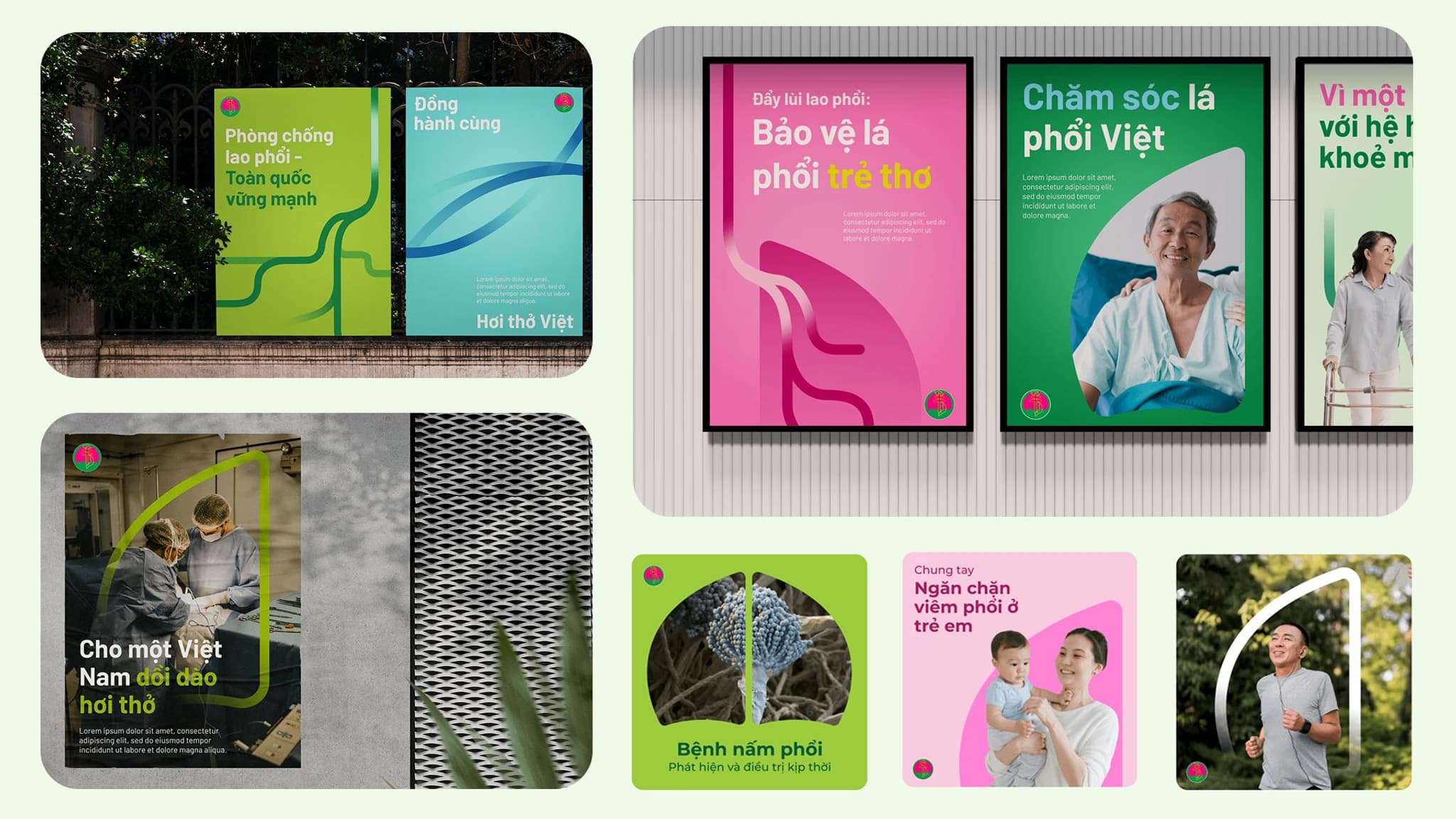
Branding Applications for the Vietnam National Lung Hospital Project
2. Why is healthcare branding important?
When patients seek healthcare services, they encounter a vast array of choices, from large hospitals to private clinics. In such a competitive and emotionally sensitive market, establishing a strong brand brings numerous advantages. First, let’s explore why branding in healthcare is truly essential.
Building patient trust through meaningful branding
After the COVID-19 pandemic, financial strain and a lack of transparency around healthcare costs have greatly reduced patients' trust in the healthcare system, leaving them worried about affording future medical expenses. According to HFMA, healthcare trust has sharply declined as patients encounter unexpected and unclear medical bills.
Additionally, with a stronger focus on personal health post-pandemic, patients increasingly want more control over their healthcare experiences. To address these changing needs and attitudes, healthcare providers should focus on branding that highlights transparency and supports patient decision-making. This approach strengthens patient trust and aligns healthcare providers with current market trends, boosting their competitiveness in today’s challenging healthcare environment.
Leveraging branding for competitive advantage
In the healthcare industry, where patients prioritize transparency and expertise in their decision-making, building a trustworthy brand is one of the key factors that sets a medical institution apart and shapes how patients perceive it. A well-developed brand enhances credibility and fosters a sense of clarity, care, and reliability at every touchpoint along the patient journey.
More importantly, branding in healthcare provides a distinct competitive advantage for medical institutions, helping them stand out and become the preferred choice for patients amid countless options in the market. According to the Branding Impact in Hospitals study by Universitas Pelita Harapan, in which 104 healthcare professionals and staff participated, more than 90% agreed that building a strong brand is essential for gaining a competitive advantage. Branding in healthcare defines the first impression and significantly shapes how patients assess service quality and the overall professionalism of a healthcare provider.
Enhancing patient experience
According to data from Deloitte, hospitals rated as providing an “excellent” patient experience achieve an average net profit margin of 4.7%, compared to just 1.8% for hospitals with lower ratings.
This demonstrates that patient experience is not merely an emotional factor, it has a tangible impact on business performance. In healthcare, where every touchpoint shapes patient perception, experience defines the brand.
When approached comprehensively, healthcare branding goes beyond refreshing visual identity; it extends to designing the entire patient journey. A consistent brand that fosters a sense of care and professionalism ensures patients feel reassured, engaged, and willing to share positive experiences.
In other words, enhancing branding means enhancing experience. And a positive patient experience elevates reputation and drives real growth.
3. What makes a healthcare brand truly stand out?
When recognizing the significance of branding in the healthcare industry, the next step is to identify the essential elements for building a standout brand. Let’s delve into these important elements to bring a distinctive edge to your brand.
Defining a strategic vision and purpose
One of the first and most important steps in building a strong brand, especially in the healthcare sector, is setting a clear goal. When an organization knows exactly what it’s working toward, with a well-defined vision and mission, every decision from brand design and communication to service delivery will naturally align with that direction.
These clear goals create consistency, ensuring that every patient touchpoint reflects the same core values. Over time, when a brand remains committed to its message and approach to care, patients begin to form a lasting connection. They feel reassured every time they return, and that sense of reassurance becomes the foundation of long-term loyalty.

Defining a strategic vision and purpose
Understanding patients insight and expectations
Understanding your patients and identifying their "pain points" is critical to making a difference. Once you understand their needs, you can build a suitable approach strategy, shaping your message and brand story to match their expectations.
Imagine you’re a customer seeking cosmetic enhancements, you’d likely look for naturally beautiful results, prioritizing safety and minimal discomfort. You’d want a comfortable experience with a quick recovery, resulting in a natural look. Professionals in this field must stay current with aesthetic trends and demonstrate refined skills to fulfil these expectations.
As for more serious medical conditions or chronic diseases requiring extended treatment, customers prioritize personalized, effective treatments that enhance recovery prospects. Alongside the doctor’s expertise and skill, they seek a clear treatment plan and continuous mentality support throughout the long treatment journey.
Delivering consistent messaging across the healthcare journey
In branding in healthcare, maintaining consistent messaging across all communication channels is essential to building trust and credibility with patients. According to Redpoint Global, 66% of patients prioritize healthcare providers that demonstrate clear and consistent messaging, underscoring the critical role of alignment in patient care communications. Consistent messaging reinforces the core values and brand promises, ensuring patients understand and remember these commitments across every touchpoint - from social media to in-person interactions. And that consistency is the foundation for building trust with patients.
In the competitive landscape of the marketing in healthcare industry, aligning communication efforts across platforms ensures a cohesive brand experience, ultimately driving both patient satisfaction and sustainable engagement.
Infusing humanity into healthcare branding through emotion
Emotional connections in branding in healthcare play a crucial role in enhancing patient experience and fostering loyalty. According to a report from Dobies Health Marketing, healthcare brands have found that creating emotional interactions, such as demonstrating empathy and providing personalized care, significantly boosts patient engagement and retention. These emotions not only build trust but also make patients feel heard and understood, especially during critical points in their care journey.
4. Strategic approaches to healthcare brand building
To build a strong healthcare brand, organizations need a clear and effective brand development strategy. Let's explore the key steps in the process of developing a healthcare branding strategy that helps your brand stand out and leave a lasting impression on patients' minds.
Researching market and competitor dynamics
Brands cannot afford to rely on guesses regarding patient needs or market trends, every decision must be driven by actual data, such as user feedback, patient surveys, and detailed industry reports. These insights allow healthcare brands to assess where they currently stand and determine the right path forward.
Competitor analysis isn’t just about observing what others are doing, it’s about finding gaps in services that no one has addressed. You can imagine it to make it easier to understand that if competitors are not yet strong in technology, your brand can take the lead by implementing advanced tech solutions, such as telehealth services or AI-powered tools, to enhance patient engagement.
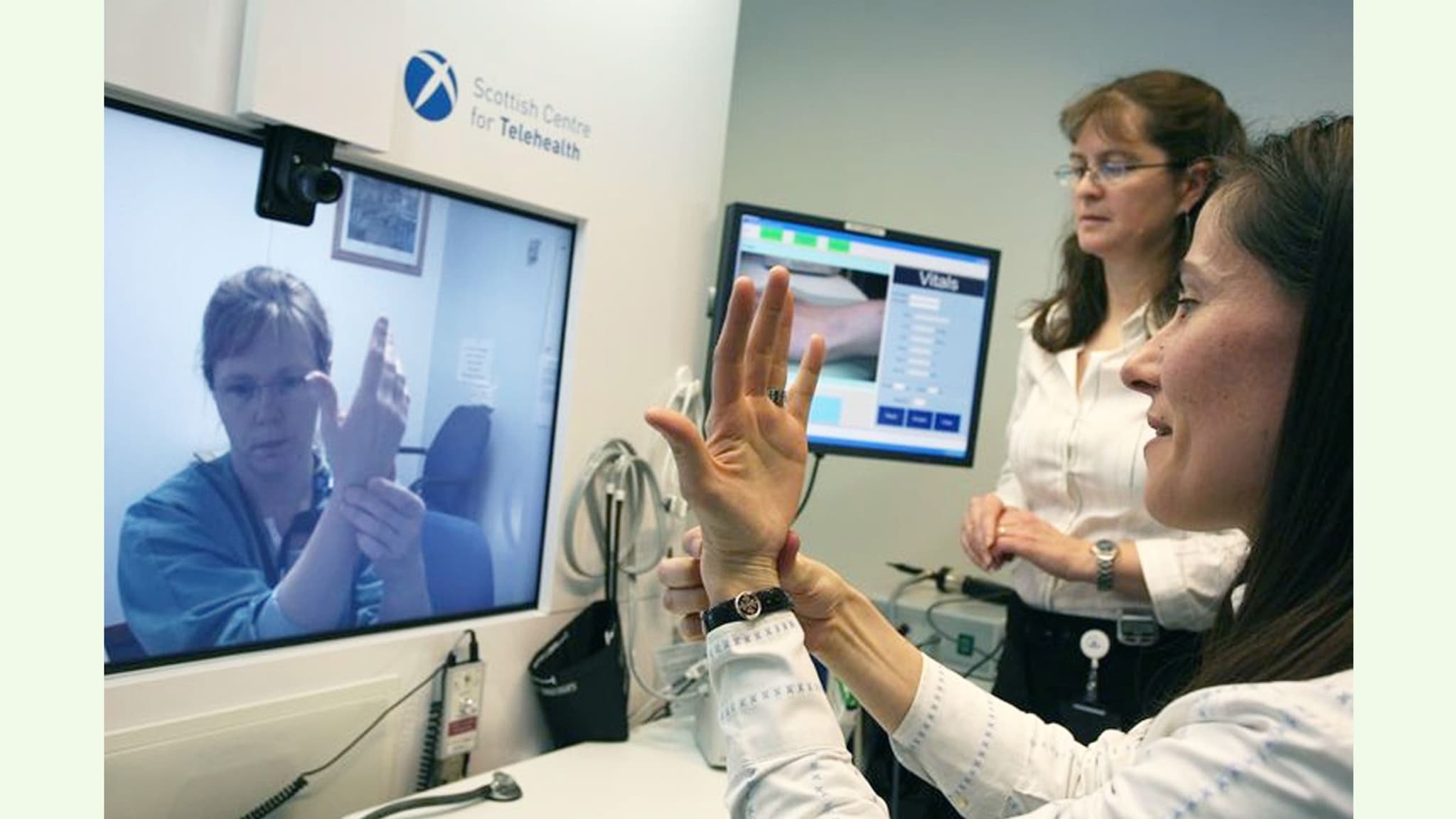
Telehealth services to enhance patient engagement.
Defining brand core value
In the defining brand core step, healthcare organizations begin their journey to discover the core elements of their brand. This is the time to shape the direction the brand will pursue, find the core values it will bring to customers. Brands need to clearly define the messages that the brand will convey, and decide which values will be highlighted most in each brand story.

Tâm Anh Hospital logo and showcasing modern facilities and healthcare services.
Tâm Anh Hospital has clearly defined its direction based on three main pillars: top expertise, modern technology, and dedicated service. These values are reflected in their team of leading specialists and advanced equipment.
At the same time, the hospital creates a comprehensive care experience with a 5-star hotel-standard environment, ensuring patients always feel trust, comfort, and closeness. With such a clear core value definition, every staff member and doctor serves patients with that same dedication and professionalism, guaranteeing the best healthcare experience possible.
Through this process, a compelling story is formed, helping the brand connect deeply with consumers and create a unique mark.
Developing a brand identity in healthcare
Building a brand identity in healthcare is not just about visual design, it’s a strategic journey that involves a clear roadmap from strategy to execution. To create a strong and trustworthy brand, organizations must follow a systematic process.
First, the Brand Strategic Approach is conveyed through the brand story, addressing healthcare challenges and highlighting core brand values. After the Brand Strategy Approach, the Concept Direction step will develop multiple creative concepts, each presenting the brand values from different perspectives.
Then, a mood board combines colours, materials, and textures, creating a visual space that reflects the brand’s emotions and essence. Finally, all these elements come together in Design, where detailed visuals embody the brand’s spirit and messaging, emphasizing professionalism, safety, and reliability.

The project for Vietnam National Lung Hospital (VNHL)
The project for Vietnam National Lung Hospital (VNHL) aims to refresh the brand by combining traditional and modern elements to create a friendly, professional image. The new logo, a stylized "P" inspired by bronchial structure, shows VNHL's dedication to lung health.
The brand uses green to symbolize safety and health, paired with pink to add warmth and approachability, especially for women’s and children’s services. Abstract images of bronchial and circulatory shapes build a modern visual style. With this identity, VNHL strengthens its brand, fostering trust and highlighting its caring and professional values.
Integrating technology into healthcare branding
In the rapidly evolving landscape of healthcare, the integration of technology into branding has become essential. According to research by Redpoint Global, 80% of patients prefer using digital communication to interact with healthcare providers and brands.
Healthcare brands can implement friendly website development and create mobile applications to assist patients in managing appointments and accessing health records. Enhancing engagement through social media is also an effective way to share information and foster community. These applications not only improve the patient experience but also build trust and loyalty towards the brand in the healthcare sector.
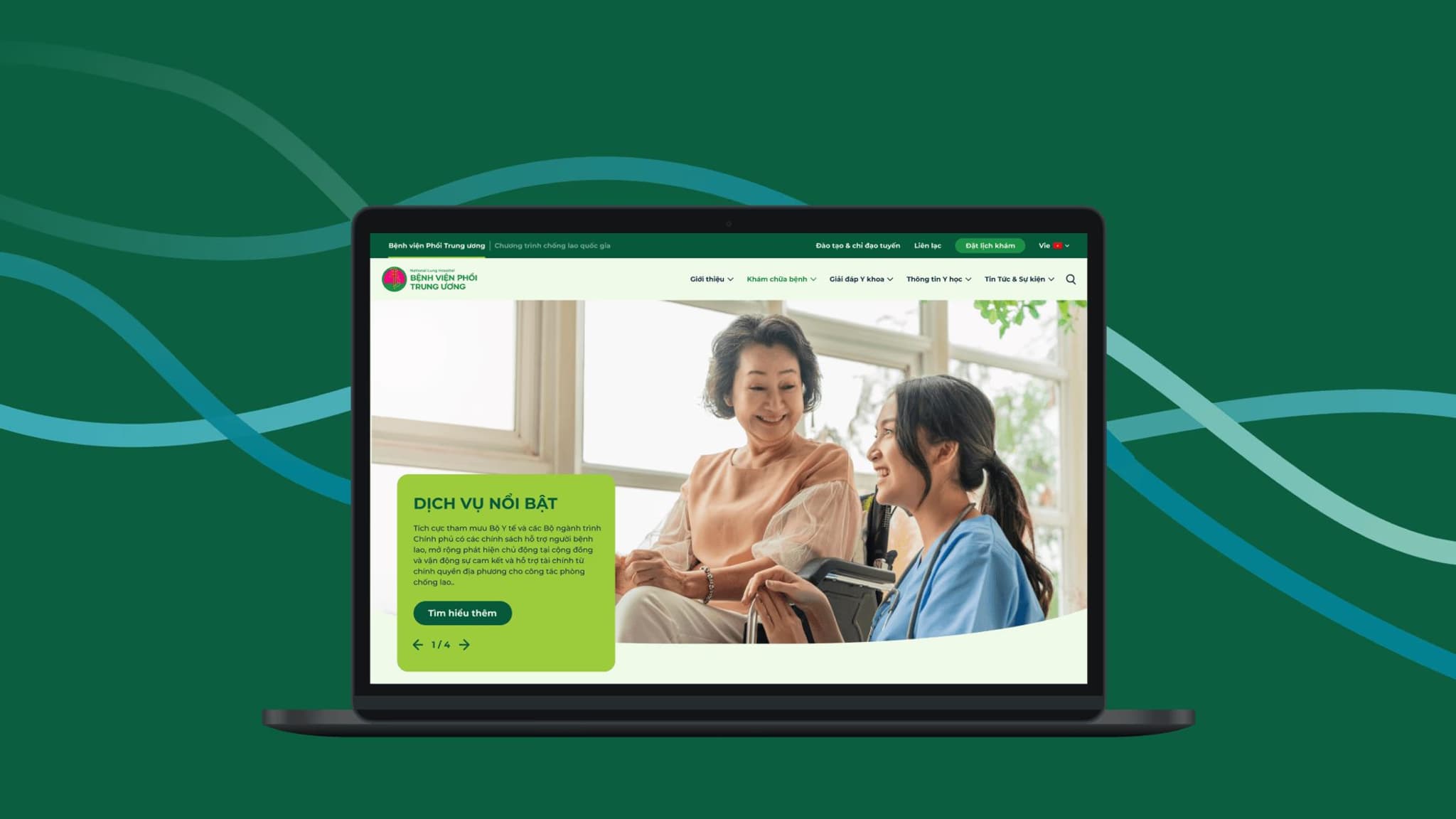
Digital experience of the "Vietnam National Lung Hospital" project
The website design project for the Vietnam National Lung Hospital focuses on creating a professional and friendly online space, distinct from the typical cold and rigid medical websites. The goal is to facilitate effective communication both internally and externally while providing clear and easily accessible health information
Measuring outcomes & continuous improvement
In the field of healthcare, measuring and optimizing branding strategies is not about cold, hard numbers. Each branding campaign tells a story, and measuring its effectiveness is the way we understand whether that story has truly resonated with its audience. When every step is grounded in data and feedback, the brand grows and gains the strength to navigate challenges and maintain its position in the hearts of the community.
5. Closing segment
The importance of branding in healthcare cannot be denied in today’s context. If you are working in the healthcare sector, don’t miss the opportunity to develop your brand. Start building a strong and trustworthy brand today. Investing in your brand not only brings short-term benefits but also serves as a foundation for sustainable growth in the future.