Does your brand identity go beyond just looks?
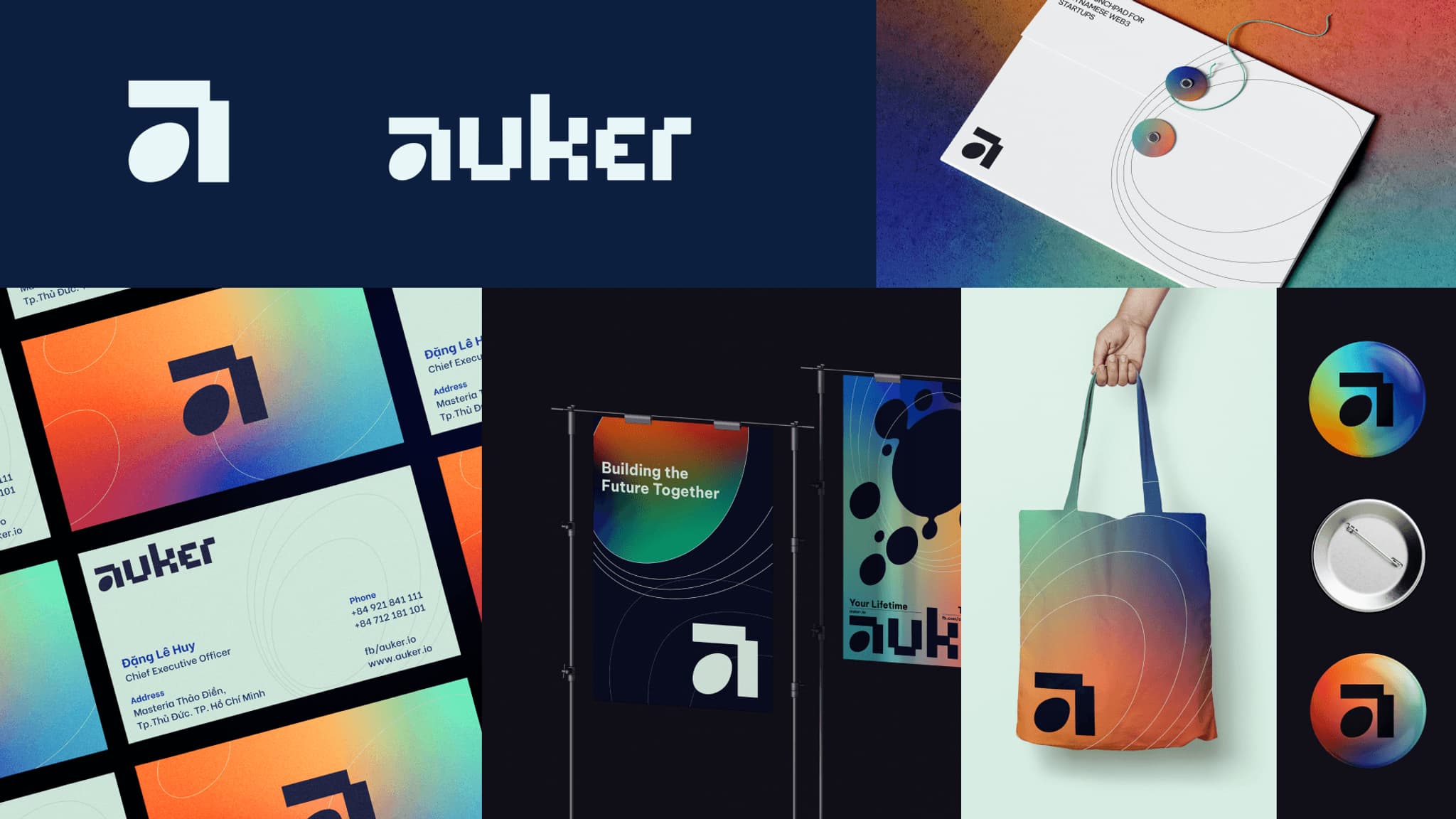
Brand identity shapes how a brand shows up, connects, and grows. When every touchpoint aligns, it becomes the quiet force behind the brand journey.
When we think of brand identity, most of us immediately picture logos, color palettes, typography, and visual elements. A quick Google search for keyword "What is brand identity?" will return thousands of articles focusing on these components. This approach is not wrong, as these are often the most visible parts of any brand. But if we see brand identity as merely a set of visual assets, is that perspective enough to build a brand that can grow and last?
Questions like these invite us to take a step back. Building a brand has never been just about creating an outer layer. It is a deeper process, where every detail must be thoughtfully crafted. And design is just one part of the larger journey of shaping an entire brand ecosystem.
1. What is brand identity?
Brand Identity is often understood as the elements that help identify a brand, things like logos, colors, imagery, typography, and more. While this definition captures the visual aspect of “identity”, it only scratches the surface. Because when we talk about a brand, we’re not just talking about how it looks, we’re also talking about what it stands for. That includes the product or service itself, and the core values behind the business.
Building a strong brand identity is not something that happens overnight. It’s a long-term investment, backed by careful research and strategic thinking. On the surface, it might appear in tangible forms, a bold color palette, a distinct typeface, a memorable logo. But to truly stand out in a sea of competitors, your brand needs to tap into something deeper: emotions, trust, and customer loyalty.
The best way to do that is through your offering and the story you tell around it. At the end of the day, Brand Identity is how customers perceive your brand, both in what they see and what they feel.
2. The strategic value of brand identity for modern businesses
We live in a digital age where customers are bombarded with choices, and switching between brands takes just a tap. In this reality, brand identity isn’t just helpful, it’s essential. It shapes how people perceive your brand, and it often plays a decisive role in whether they choose you or someone else.
So what kind of value does a strong brand identity bring to the table? Let’s take a closer look.
Conveying brand values to customers
You’ve probably noticed, today’s consumers are becoming more discerning than ever. Their expectations go far beyond product features, discount codes, or obvious influencer promotions. According to recent studies, 82% of consumers want a brand’s values to align with their own** and they’re willing to walk away if they don’t.
More and more, people care about who your brand really is, what it stands for, and whether it genuinely reflects the beliefs they hold. That’s why building a meaningful brand identity, one that’s deeply rooted, consistent, and emotionally resonant, is essential.
Differentiating from competitors
In a competitive market, having a unique brand identity is essential. It helps your business stand out and grab customers' attention. A well-designed logo and a clear message may make your brand more memorable. When customers think about your products, they may instantly recall your brand instead of your competitors.

Mailchimp is a great brand that has built a strong and distinctive identity.
Mailchimp is a great brand that has built a strong and distinctive identity. In an industry where email marketing often feels dry and technical, Mailchimp turned the entire brand experience into something playful, friendly, and approachable.
Their fun, human brand voice transformed email marketing from “a chore” into a tool for connection. This resonated especially well with their main audience, small business owners who aren’t necessarily tech-savvy.
As a result, Mailchimp became more than just another platform. It carved out a human, relatable edge in a space where many competitors still feel overly corporate. This shows how a well-crafted brand identity can drive clear differentiation in the market.
Creating trust and loyalty with customers
Brand identity can serve as an important element in establishing trust and loyalty among customers. When a brand presents a clear and consistent identity, it becomes easily recognizable, giving customers the confidence they need when choosing a product. Think about it: once customers have a great experience with a brand, they’re likely to come back for more and even spread the word to their friends.
This word-of-mouth magic brings in more loyal customers, creating a ripple effect. An effective branding strategy can lead to increased customer retention. That is all that CDA wants to aim for when branding businesses.
Driving sales growth
According to Nielsen research, increasing brand awareness and consideration by 1 point can increase revenue by 1%, which can translate into millions of dollars for companies with large revenues. When people feel aligned with a brand and connect emotionally, they’re more likely to stay loyal and keep coming back. Over time, this helps build a community of like-minded customers who engage with and amplify your brand’s presence.

Brand identity that drives sales growth
Beyond customer-facing impact, brand identity also acts as the guiding spirit behind internal operations. It influences how every department functions, from product development to hiring decisions. Here’s how brand identity shapes each team:
- Sales: A strong brand identity helps build long-term customer relationships by delivering a shopping experience that aligns with the brand’s image. Great salespeople often understand the brand’s core values deeply and communicate them naturally and effectively to clients.
- R&D (Product/Service Development): Brand identity plays a role in product quality and innovation. For instance, a premium brand demands top-tier product standards and packaging that reflects elegance and exclusivity. Every detail, from label design to material choice should express the brand’s personality and stand out on the shelf.
- Marketing: Brand identity provides a clear roadmap for all campaigns. Whether it’s advertising, social media, or PR, every message must align with the brand’s tone, visual style, and values to maintain consistency and credibility.
- HR (Human Resources): Hiring is about more than skills, it’s about cultural fit. HR teams must seek out candidates who can embody and uphold the brand’s values. Training programs should reinforce the importance of brand identity and show how each employee contributes to shaping the brand. Even performance evaluations can be tied to how well individuals support and express the brand in their roles.
3. 7 Core components of brand identity
To build an effective brand identity, businesses need to focus on many different factors, each of which contributes to how customers perceive and feel about the brand. Below are 6 important factors that every business should consider when developing its brand identity.
Core values
A company’s core values are the fundamental principles, beliefs, and ideals that guide everything it does. Think of them as the “soul” of the business, shaping how decisions are made, how people are treated, and how the brand interacts with customers, partners, and employees. Once clearly defined, these values provide a strong foundation and clear direction, helping build a brand that is not only consistent but also deeply trusted by its audience.
Brand name
A name is where everything begins, especially when it comes to building brand identity. A memorable, meaningful brand name often sparks curiosity, admiration, and, most importantly, recall. A great brand name should be short, easy to pronounce, easy to remember, and aligned with both the product and the brand’s core values.
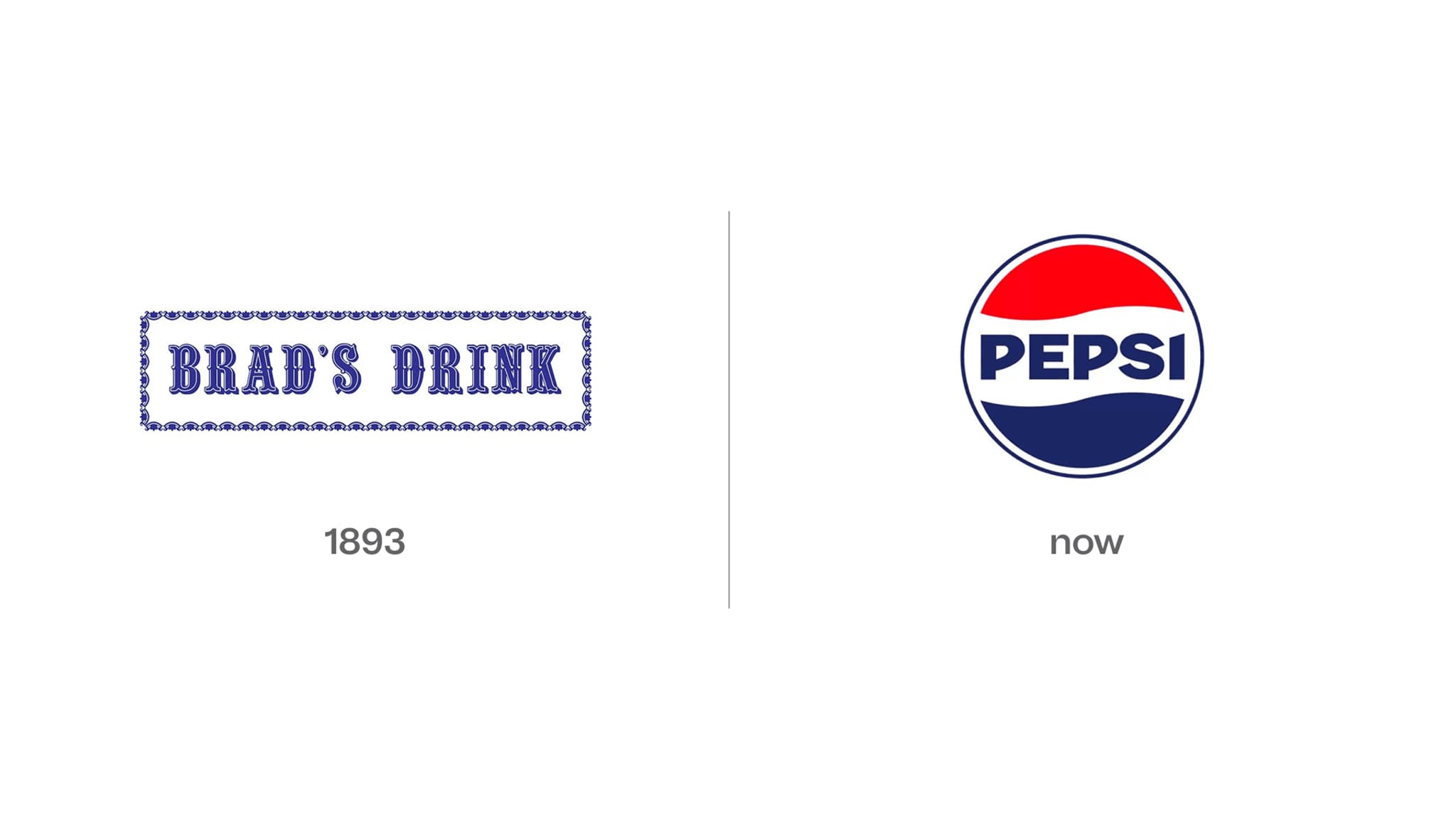
Pepsi’s name history from Brad’s Drink to Pepsi
A well-known case is Pepsi. Not many people know that the iconic soft drink was originally called Brad’s Drink, named after its creator, Caleb Davis Bradham. It was later renamed “Pepsi” to reflect its digestive benefits (inspired by the word "dyspepsia").

Instagram’s original name was Burbn
Or consider Instagram. The app originally launched as Burbn, a platform where users could share a variety of content, not just photos. But once the founders recognized the potential of photo sharing, they decided to simplify the app’s purpose and rebranded it as Instagram. The new name was a combination of “instant camera” and “telegram”, evoking the idea of sharing snapshots instantly.
Logo
Although the logo is not the brand identity, it is an important element of identity. A good logo should be simple yet memorable, reflecting the brand's true nature.
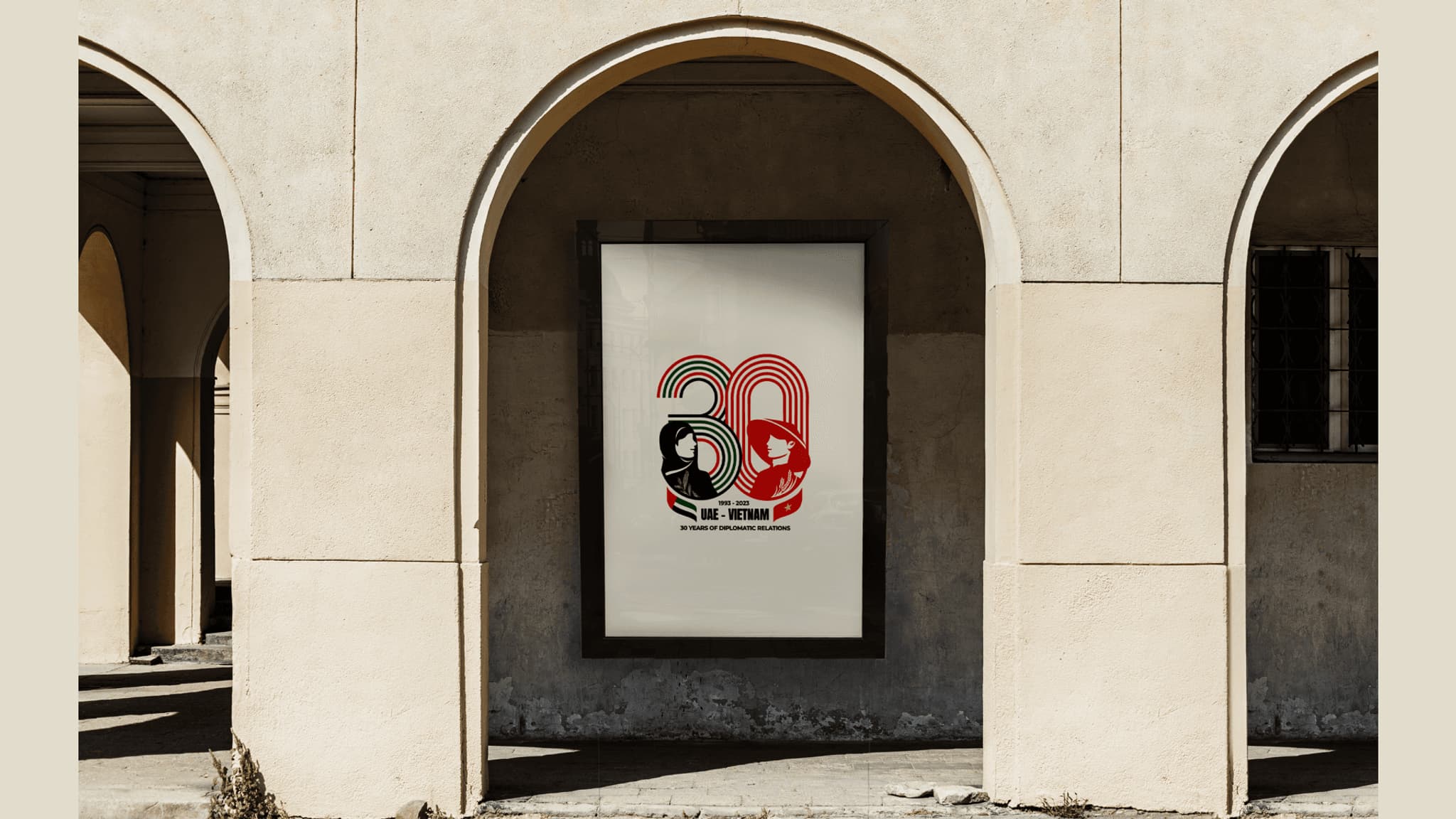
Logo - The 30Y Anniversary Vietnam - United Arab Emirates
The 30Y Anniversary Vietnam - United Arab Emirates Logo project of the Embassy of Vietnam in UAE, Vietnam Ministry of Foreign Affairs by CDA focuses on balancing the cultural identities of Vietnam and the UAE, aiming to create a symbol that is both modern and honors the strong diplomatic relationship between the two countries.
The design features two women in traditional costumes: the Vietnamese ao dai and the UAE abaya, representing the softness and sophistication of both cultures while honoring the “respected mothers” of the two peoples and combining natural symbols such as the rice plant (Vietnam’s prosperity) and the Ghaf tree (the UAE’s enduring vitality).
The goal is to create a logo that is highly aesthetic, has deep cultural meaning, and is flexible for use on multiple platforms, expressing the spirit of international cooperation and friendship.
Color
Color is often one of the very first things people notice when encountering a brand. A well-crafted color palette can leave a strong, lasting impression. Each color carries its meaning and can evoke specific emotions, making color a strategic one.
In addition to recognition, color also affects consumer emotions and behavior. **Straits Research** also found that 93% of consumers make purchasing decisions based on the appearance of a product, and 85% of them said that color was the main factor in their choice of product.

Tone of Voice - Green&Flow
Take a look at this project of CIAT Agriculture Communications, in collaboration with Collective Design Agency, which aims to modernize the way farmers in the Mekong Delta access agricultural data. The project uses a three-tone color palette to create a unified and recognizable design:
- Green: Representing freshness and connection to nature, it is used to provide important background information and context, helping users easily grasp the overall content.
- Turquoise: This color has a light yet modern feel, and is used for cards that provide practical advice, guiding farmers through seasonal challenges and weather conditions.
- Pink: Used flexibly, pink creates a focal point and shows creativity. It helps highlight agricultural products and innovations, creating a fresh and prominent feel throughout the design.
When people see a certain color used consistently, they tend to associate it with a specific brand almost automatically. That’s why color plays such a crucial role in brand identity, helping brands stand out, build recognition, and differentiate themselves in a crowded market.
Typography
Typography is an important part of creating a brand identity. It not only affects how the message is communicated but also reflects the brand’s personality. A modern typeface can bring a youthful and dynamic feeling, while a classic typeface evokes luxury and prestige.
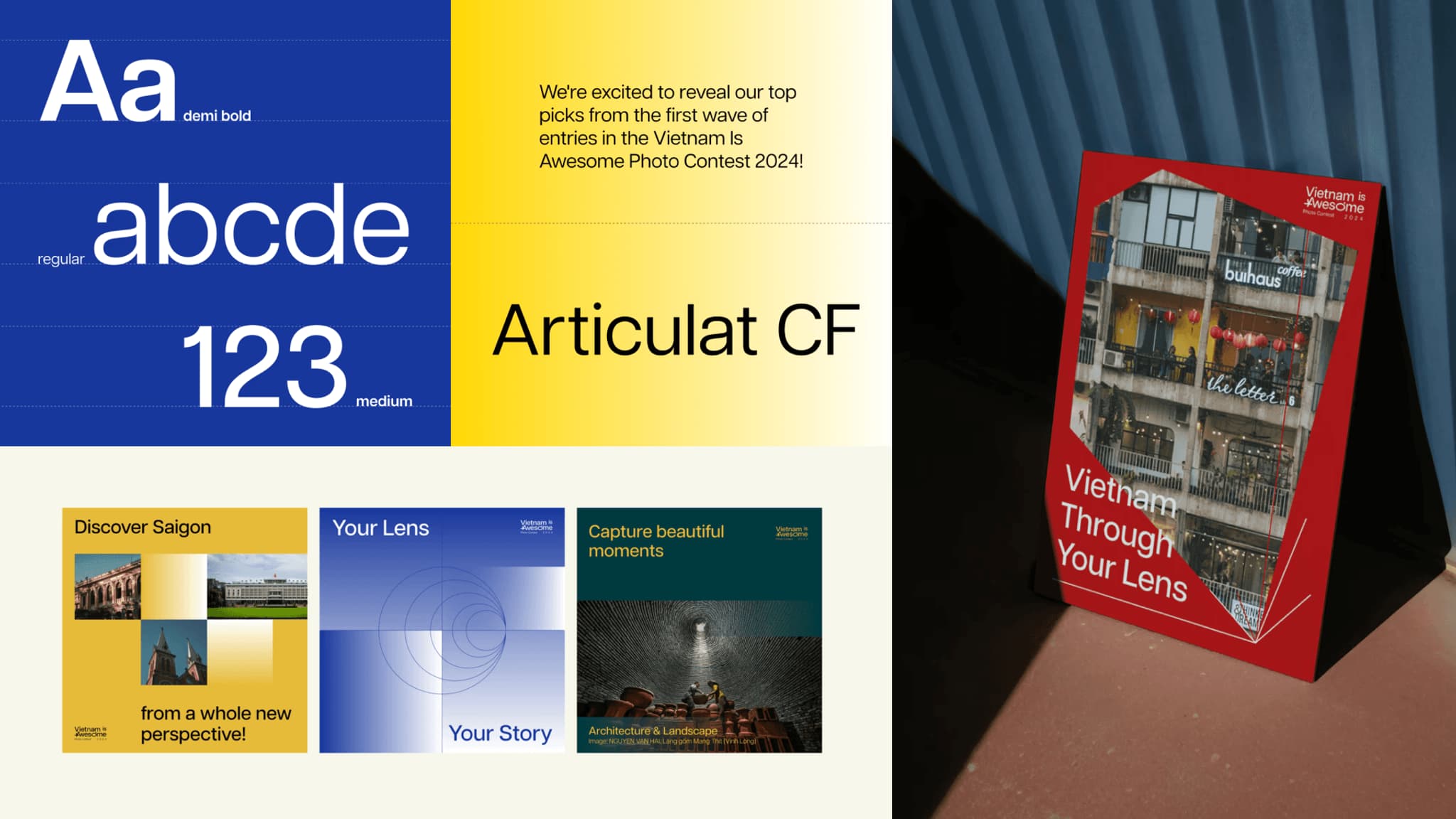
Typography - Vietnam is Awesome (VIA) Photo Contest 2024
The Vietnam is Awesome (VIA) Photo Contest 2024 project uses the Articulat CF font in its brand identity system. This is a modern, clear, and clean typeface, in line with the contest's goal of celebrating Vietnam's natural landscapes and vibrant culture. The font is used in a variety of weights such as demi bold, regular, and medium, increasing flexibility and readability in design publications. The choice of this font helps create a consistent and attractive look for the contest.
Visual identity
A brand’s visual identity is more than just the visual elements that customers see when interacting with a brand. It communicates the brand’s core message and personality. A strong visual identity often helps a brand create a clear differentiation from its competitors.

Visual Identity - To Gia
To Gia, a real estate investment company in Hanoi, wants to incorporate the capital's long-standing cultural elements into its community development strategy.
The visual symbols are designed to reflect traditional Vietnamese culture, especially details related to tiled roof architecture and ancient patterns. Through these logos and symbols, To Gia not only shows its connection to culture but also affirms its role in preserving and developing the community.
Tone of voice
A brand’s voice is not only how a brand communicates with its customers, but it also reflects its personality and values. A friendly voice can create a sense of intimacy, while a professional voice conveys authority. Determining the right voice will help you build a strong relationship with your customers, making them feel comfortable interacting with your brand.
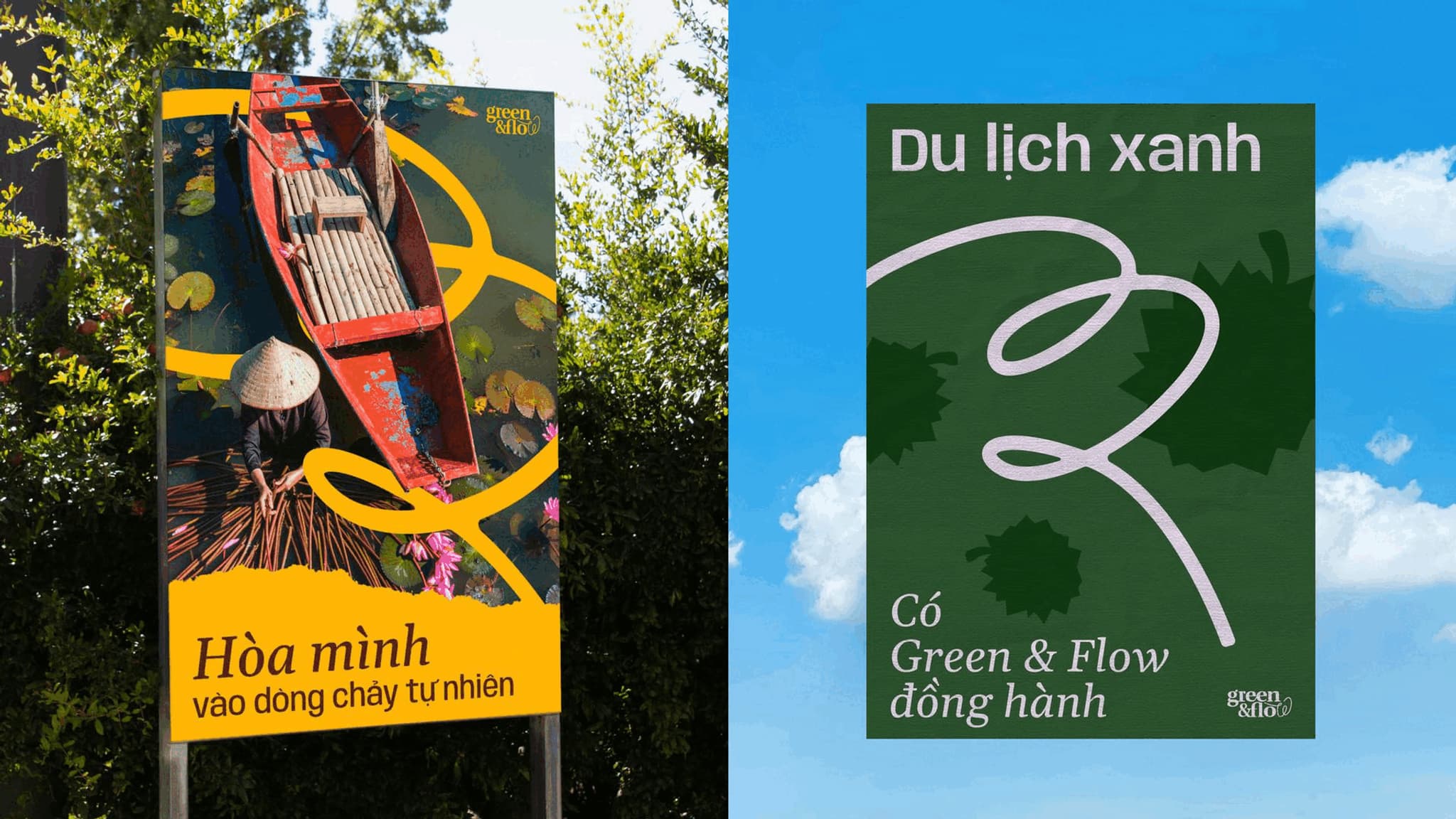
Tone of Voice - Green&Flow
The tone of voice for Green&Flow is warm, inviting, and inspiring. It aims to foster a sense of connection and community, emphasizing sustainable tourism and the celebration of local cultures. The brand uses uplifting language to encourage exploration and appreciation of nature, creating a sense of belonging and purpose among its audience.
Products and services
Products and services are the most direct expressions of a brand’s identity. They act as brand ambassadors, delivering the brand’s message and values to customers in a tangible way.
To build a strong and lasting brand, businesses must ensure that their products and services not only meet customer needs but also embody the brand’s story and core values. Every interaction should reinforce what the brand stands for, creating consistency and emotional connection at every touchpoint.
4. Steps to create a brand identity for businesses
Building a brand identity has never been an easy challenge. Let's learn the basic steps to start the challenging journey of brand identity!
Market research
Do you think that having a beautiful logo is enough to identify your brand? In reality, it's not. If you only design a logo, you will be missing out a lot. The first step in creating a brand identity is to conduct market research. Market research helps you better understand the needs and desires of your customers, thereby identifying important elements in your brand identity design to suit your target market.
Identify core values
Once you have gathered information, the next step is to define your brand’s core values. These are the “soul” of your brand. Without clear core values, your brand is like a ship without a compass, easily lost. These values will help you connect deeply with your customers and create long-term loyalty.
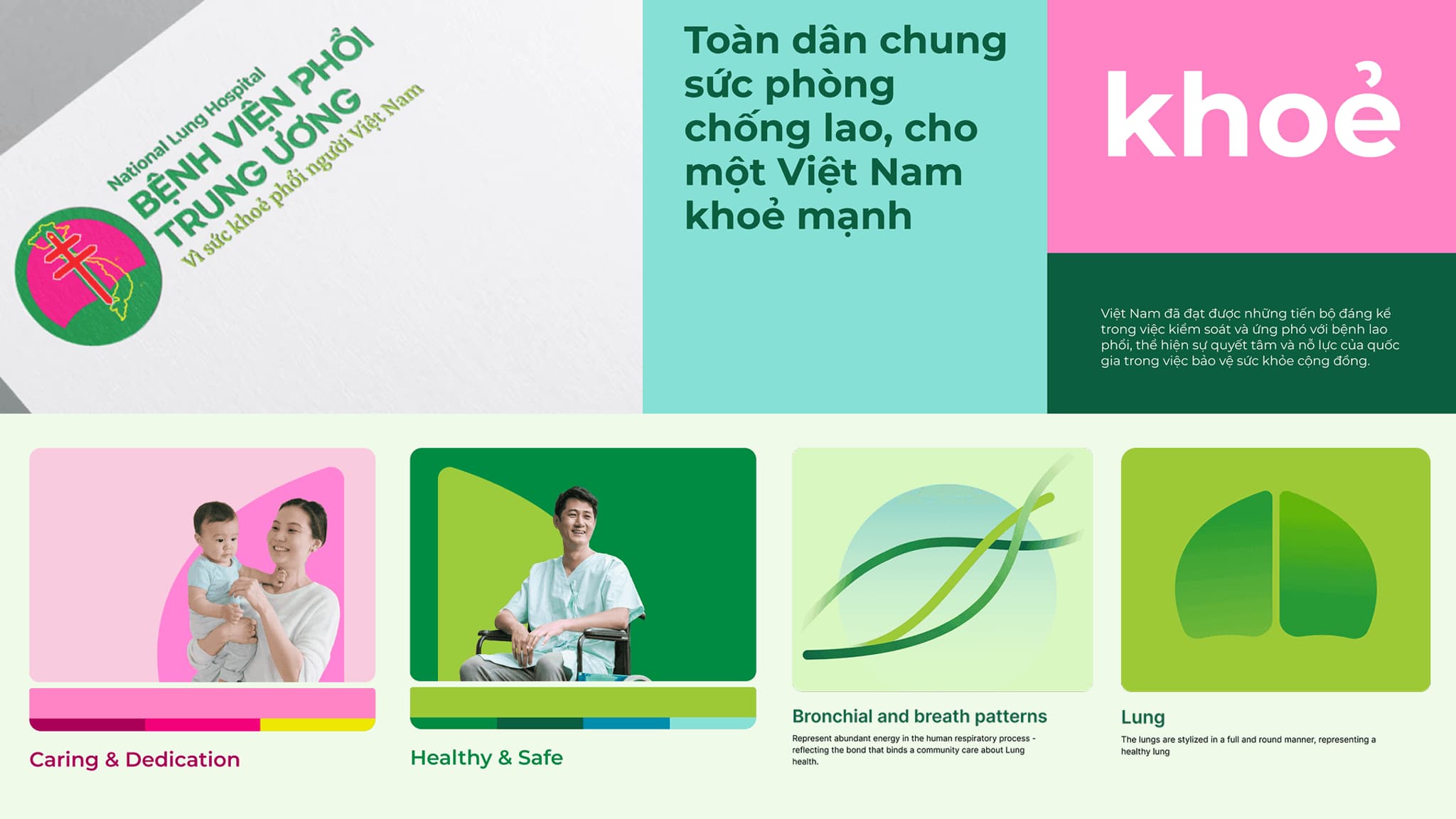
Core Values - Vietnam National Lung Hospital
The Vietnam National Lung Hospital project focuses on modernizing the brand and enhancing the user experience through a new website, aiming to improve access to respiratory health information. Core values:
- Health and Safety: Putting patient health first, ensuring a safe treatment environment.
- Innovation: Always updating advanced technology and treatment methods to improve care efficiency.
- Community Connection: Building strong relationships with patients and the community to improve services.
Develop a brand name
The brand name is the first face that customers see, so developing a brand name is very important. A good name can create curiosity and attract customers' attention. Think about it, if your brand name is difficult to remember, will customers come back? A memorable name will help your brand stand out and leave a mark in the minds of consumers.
Concept direction
Once the brand name is finalized, the next step is to define the concept, which involves developing the narrative and message the brand wants to convey. This stage allows for the exploration of multiple concepts, each reflecting different meanings and perspectives. By aligning these narratives with the brand's core values, we can create a distinct visual identity. This step will ensure that all subsequent design decisions are consistent and support the overall brand strategy.
Moodboard
This is the next step of the creative process, where designers collect images, colors, textures, and other aesthetic elements to create an inspiring space. The moodboard helps convey the initial idea and clearly articulates the style the brand wants to achieve. It acts as a guide, ensuring everyone is on the same page regarding the project's design vision and overall feel, thus building a strong foundation for the next steps.
Key elements and style
Finally, based on the moodboard, we will develop specific design elements such as colors, shapes, typography, and other components to form a clear and consistent brand identity. The goal is to create a complete brand identity system that helps the brand easily connect with customers and express its core values.
Website building
A website is an essential part of branding strategy. It is the main communication channel between the brand and customers and a place to express the brand identity and message clearly. A consistent website design with developed brand elements will help create a seamless and engaging user experience. In addition, the website needs to be optimized to attract and retain customers while building long-term relationships with consumers.
Implementation and marketing
Once you have finalized your brand identity, it’s time to implement and market it. Use various media channels to promote your brand to the public. But don’t forget that advertising is just the tip of the iceberg; what’s more important is how your customers perceive your brand through their actual experiences with the brand identity services you provide.
Evaluation and adjustment
Finally, perfecting a brand identity is not a one-time task, it’s an ongoing process that requires thoughtful planning and consistent refinement. The journey typically follows these key steps:
- Market research: Gain a deep understanding of customer needs, behaviors, and expectations.
- Performance evaluation: Measure the impact of the brand identity on overall business performance and perception.
- Competitive analysis: Identify the strengths and weaknesses of competitors to uncover opportunities for differentiation.
- Continuous improvement: Based on insights and feedback, make the necessary adjustments to refine and strengthen the brand identity over time.
5. What makes a successful brand identity?
A successful brand identity is not just about visuals and design, but also about connecting with customers on multiple levels. Let’s explore the key elements that help build a memorable and lasting brand identity, from recognizability to relevance to your target audience.
- Recognizable and memorable: A successful brand identity is easily recognizable and memorable. Imagine walking into a store and seeing a familiar logo; you instantly feel more confident. Elements like color, typography, and imagery all contribute to the differentiation. It is this uniqueness that makes your brand stand out from the crowd and is easily remembered by customers.
- Consistent: Consistency is key to building trust with customers. If your brand can maintain a consistent image and message across all channels, customers will easily recognize you.
- Relevance: A successful brand identity needs to be relevant to the target audience, meaning your brand must reflect the values and needs of your customers. If customers feel that your brand understands and meets their expectations, they will easily connect with you and become loyal brand advocates.
- Emotion: Emotions play a big role in building a brand identity. When brands can create positive emotions, customers are more likely to engage. Think about ads that make you smile or cry; that’s the power of emotions in creating deep connections with customers. A brand that knows how to touch the hearts of consumers will always have a special place in their minds.
6. Examples of successful brand identity by CDA
Besides the Green&Flow project mentioned in the example above, below are some outstanding projects that CDA has successfully implemented for brands:
We Create Content
Collective Design Agency (CDA) partnered with We Create Content (WCC) to reimagine their brand identity, emphasizing the combination of global vision and local perspective. CDA took a human-centric approach, developing a cohesive design system across digital platforms, with visual motifs inspired by Vietnamese punctuation. The project clearly demonstrates CDA’s ability to create bold and memorable designs.
Read full the project here: WCC Project.
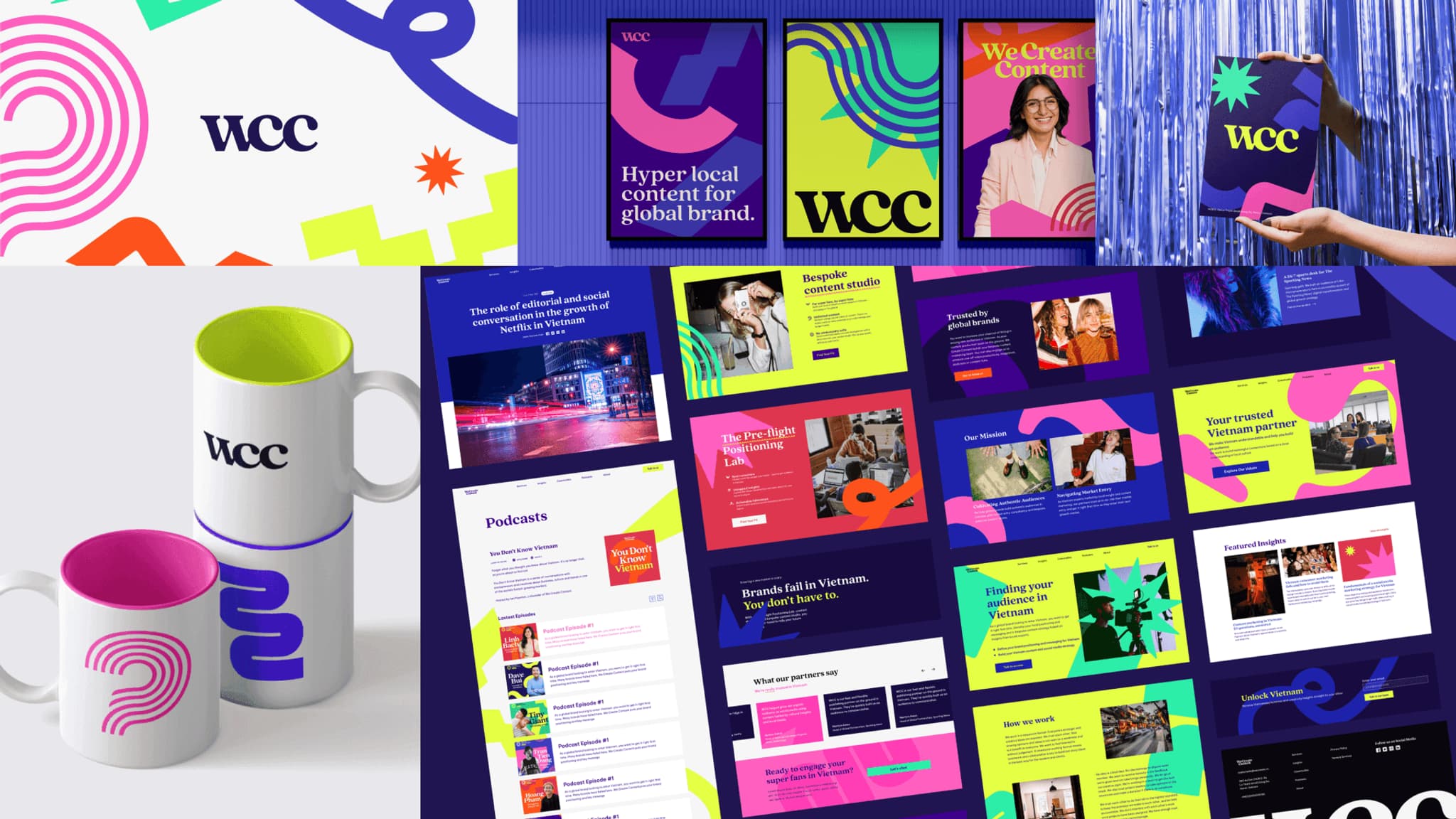
We Create Content Project
Ento
The Ento project, created by Collective Design Agency (CDA), aims to showcase insects as a sustainable and delicious food source. With the aim of creating a unique brand identity, CDA designed a creative logo and packaging that offers a fun experience for consumers.
Using fun images and bright colors, Ento not only attracts attention but also educates the public about the benefits of consuming insects, affirming its position in the sustainable food industry.
Read full the project here: Ento Project
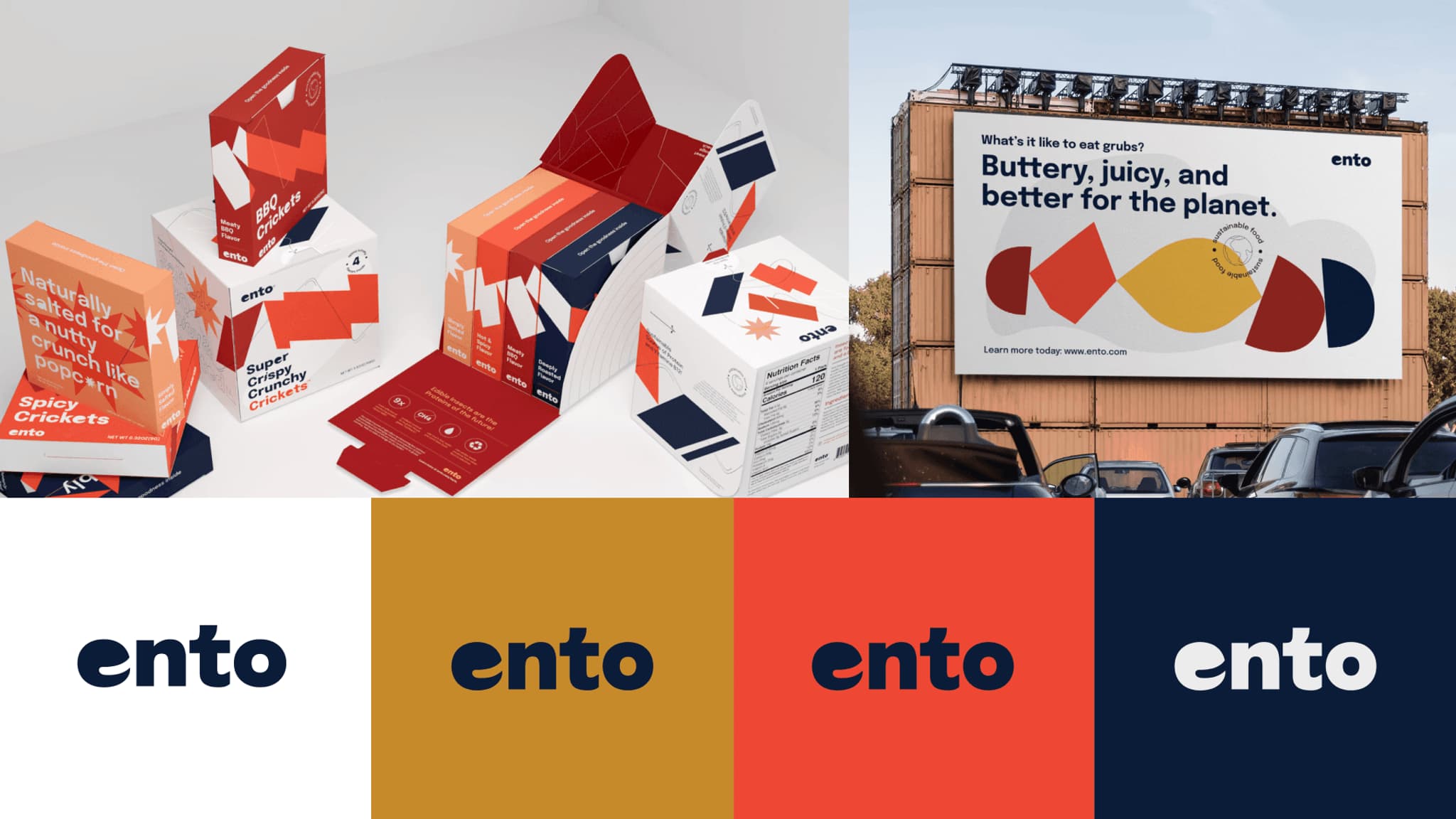
Ento Project
6. Final words
Why, throughout this article, have we emphasized that Brand Identity must include both “brand” and “identity”, rather than just focusing on the visual surface? Because CDA believe that every brand is built on a story worth telling, one that carries inspiration, purpose, and personality. As a creative agency specializing in branding and identity development, it’s our responsibility to dig deeper to uncover the idea, shape the concept, and guide each brand toward a direction that feels truly its own. We don’t just craft what looks good, we build what resonates. For us, success means creating value for both clients and the communities they serve.
Are you ready to tell your brand’s story?