
Thanh Nguyen

A brand is one of a business’s most valuable intangible assets. Just like your core products or services, it needs to be nurtured and refreshed over time. An outdated logo or a dull, forgettable slogan can weaken brand recognition and reduce customer engagement. This is one of the key factors that directly impacts your ability to reach your target audience and grow your business. So, could these be the signs that your brand needs a transformation?
Rebranding is not simply about changing your logo or tagline. It’s a strategic process of repositioning your brand to better align with today’s market and the evolving expectations of your customers.
Rebranding, also known as a brand refresh or makeover, is the process of reshaping how a brand looks, feels, and is perceived. It can be as subtle as tweaking a logo or tagline, or as transformative as changing the name, visual system, product design, and even the brand’s positioning in the market. The core objective of rebranding is to establish a new and differentiated brand image that aligns more closely with current market dynamics, while deepening the relationship with your audience.
There’s no one-size-fits-all approach. How a business rebrands depends on its goals, growth stage, and context. Some brands need a complete transformation, others just need a strategic refresh. Here's how it typically shows up:
Rebranding is a powerful strategic move that helps businesses stay relevant and grow. By shifting brand positioning, companies can adapt to changing market conditions and meet the evolving needs of their customers. A refreshed brand image also signals modernity, youthfulness, and alignment with current trends.
If a brand is suffering from negative perception, rebranding can be an effective way to rebuild trust and credibility. More than that, it deepens emotional connection, strengthening loyalty and resonance with your audience. Ultimately, rebranding can enhance brand equity, helping the business boost its competitive edge and attract investment.
Here are some of the most common reasons brands choose to rebrand:
Rebranding isn’t something you do on a whim; it’s a strategic move often triggered by shifts inside or outside your organization. Other times, the signs are less obvious, like when engagement starts to drop, your messaging feels off, or your brand no longer reflects who you are. Recognizing these moments early helps you stay ahead of change rather than react to it.

Vinamilk’s new look after rebranding is modern, youthful, and aligned with its global vision
In 2023, Vinamilk, one of Vietnam’s leading dairy brands, made a splash in the media when it announced a full-scale rebrand after nearly 50 years in the market. Although the brand remained a household name for millions of Vietnamese families, Vinamilk recognized it was time to evolve. Its long-standing identity, while familiar, was no longer resonating with younger consumers and didn’t reflect the company’s growing global ambitions.
The transformation goes far beyond a new logo or color palette. The refreshed brand identity embraced a youthful, contemporary spirit through a tropical-inspired color system and minimalist design language. Yet, Vinamilk was careful to retain a sense of familiarity for its traditional customer base by weaving in nostalgic design cues. It was a delicate balance, giving the brand a fresh new energy for a new generation, while signaling a bold strategic shift toward a “go global” vision.
Since the brand refresh, Vinamilk’s social listening and engagement have noticeably improved. On platforms like Threads, the brand team actively responds to customer posts, even negative feedback, reflecting a shift in how they engage with and care for their community.
Refreshing a brand is not just a design exercise; it’s a thoughtful, strategic journey that requires intention, investment, and cultural awareness.

Rebranding is like repainting an old house, refreshing its look while keeping its essence
Think of it like repainting an old house. You wouldn’t start brushing on new paint without a plan. You’d choose the right color palette, prep your tools, and protect the space around you.
Rebranding without asking the right questions is just guesswork. Start by answering the questions below to shape a clear and actionable roadmap for your business.
This is the first and arguably most critical step in the rebranding journey. Think of it as a brand health check, also known as a brand audit. It helps you identify your strengths, weaknesses, opportunities, and challenges in the current landscape.
Getting your brand’s current situation wrong can lead to expensive mistakes. Even a seemingly minor change like a tweak to your packaging or logo can alienate loyal customers if not grounded in insight. When done poorly, rebranding can disrupt brand familiarity and trigger a wave of backlash that damages long-standing trust.
Once you’ve assessed where your brand stands, the next critical step is defining what you want to achieve through rebranding. This is where a clarity goal becomes your compass, helping align teams, measure progress, and ensure that every branding decision serves a purpose.
Rebranding goals can take many forms, including:
From a familiar Vietnamese footwear brand known to the 80s and 90s generation, once famous for its school rubber sandals, Biti’s has successfully repositioned itself to appeal to a younger audience, particularly Millennials and Gen Z. At the same time, it has strengthened its presence as a modern Vietnamese fashion brand in the domestic market.

Biti’s Hunter launched a rebranding campaign to align with new brand goals
Three key areas should be carefully researched and analyzed during a brand transformation: Customers, Competitors, and Market.
Customers
Competitors
Market
This is where the creative magic begins, and arguably the most defining phase of the rebranding process. After assessing your current brand, setting clear goals, and grounding your work in market insight, it's time to breathe life into a new brand identity.
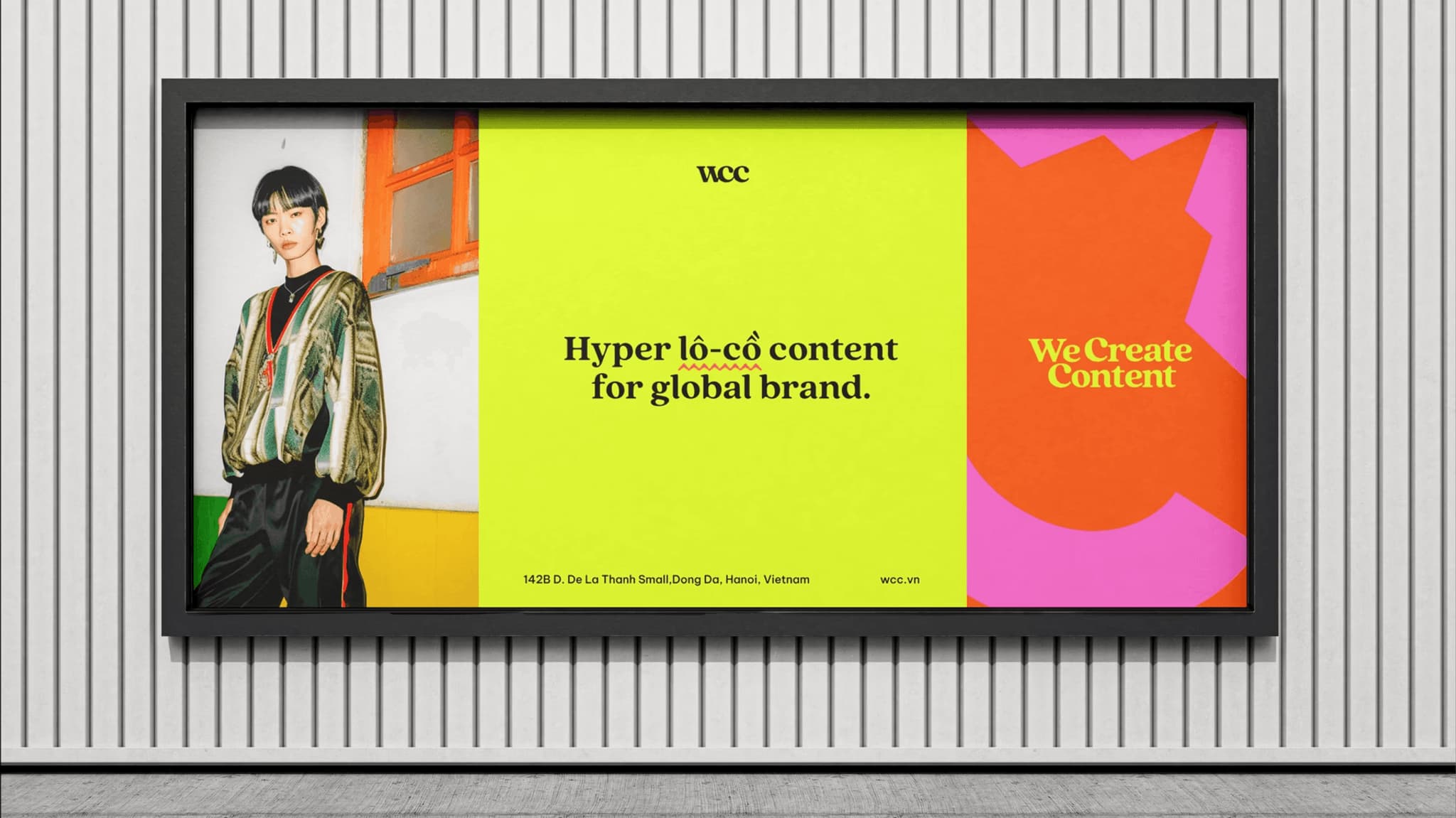
We Create Content Project
Designing a new visual identity is one of the most visible (and impactful) parts of rebranding. It involves creating a fresh look and feel for your brand logo, color palette, typography, illustrations, and other visual elements. The goal is to build a strong visual impression that reflects your updated positioning and resonates with your target audience.
Here are a few key principles to keep in mind when developing your new identity:
Explore real-world rebranding case studies by CDA:
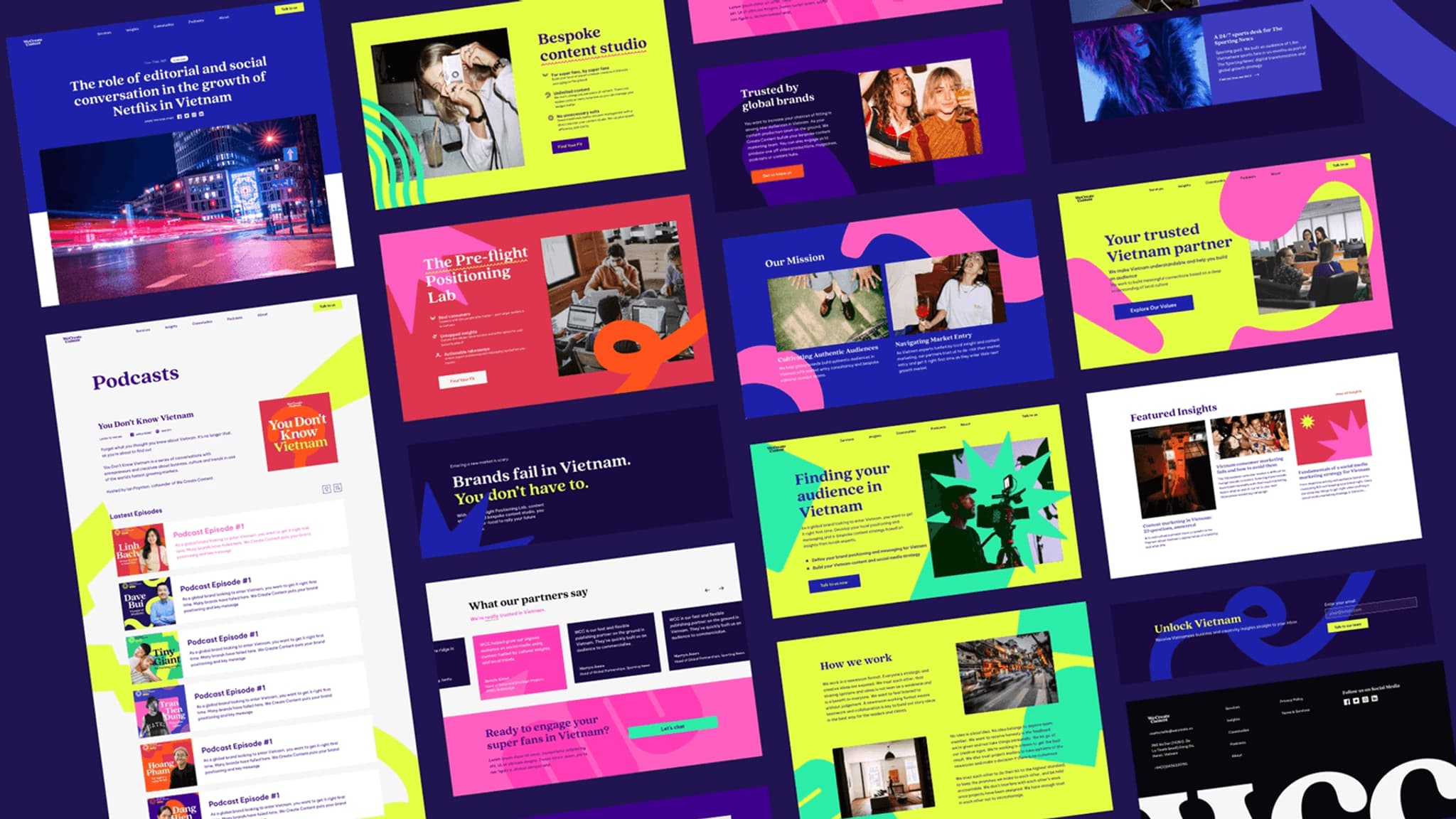
We Create Content Project
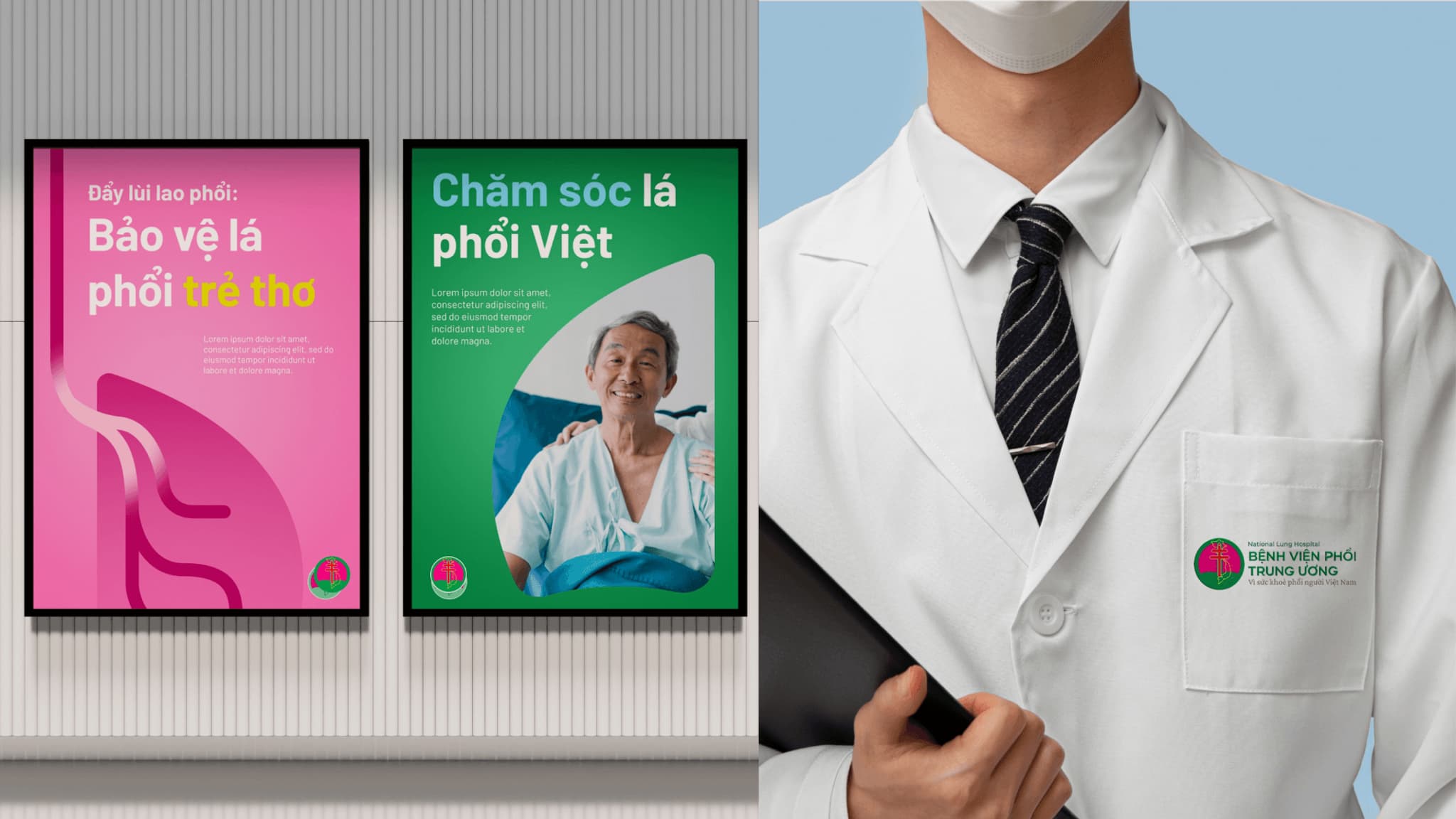
Viet Nam National Lung Hospital Project
Launching your new brand is more than a milestone; it’s a moment of transformation. It marks the official unveiling of your new identity, messaging, and core values after a long and intentional rebranding journey. This is your opportunity to reset perceptions, make a fresh impression, and reintroduce your brand to the world with purpose.
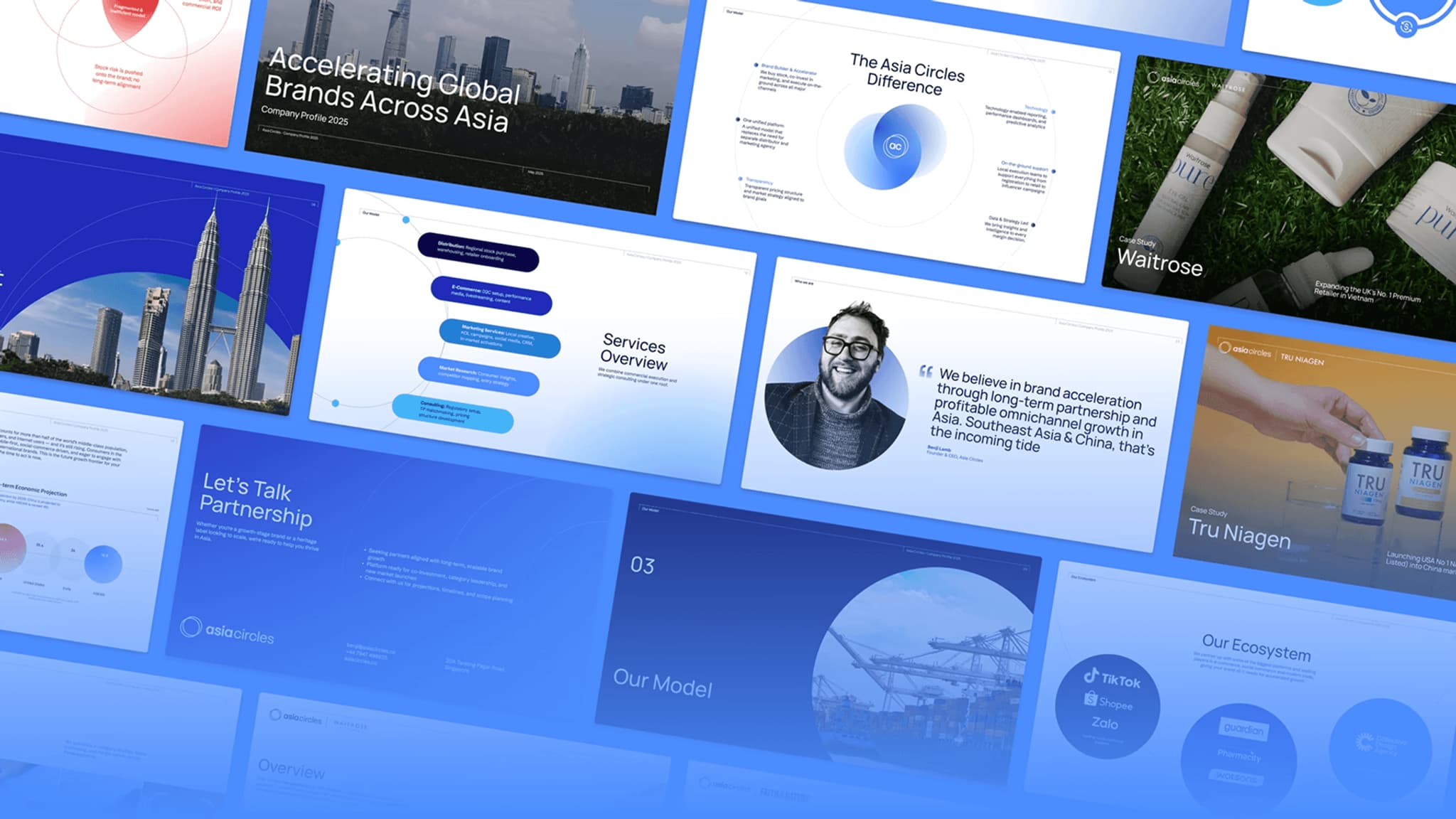
The brand resonates through real-life moments
A successful launch campaign can do more than turn heads. It can spark curiosity, ignite conversation, and build the momentum your brand needs for the road ahead.
That’s why you need a clear, strategic launch plan. From internal rollouts to public-facing campaigns, every touchpoint should reflect your new positioning and brand personality. Don’t just show the change, tell the story behind it. Give your audience a reason to believe in the change.
To ensure your rebrand delivers maximum impact, the work shouldn’t stop at launch. Brands must continuously evaluate and refine their strategy.
By actively listening to your audience through surveys, social media insights, and customer feedback, you can identify what’s working, what’s not, and where to improve. Staying responsive helps ensure your new brand is embraced and lays the foundation for long-term, sustainable growth.
In the end, rebranding is a strategic decision, one that calls for careful thought, long-term vision, and the courage to evolve. When your brand feels outdated, disconnected from the market, or misaligned with your audience, a refresh isn't just helpful, it’s essential. Rebranding isn’t only about looking better; it’s about opening the door to new opportunities and deeper relevance. So, are you ready to write your brand’s next chapter?