Key message - Speak what they need, not what you sell
A good message is not just something you read or hear. It is the moment when your audience sees themselves in your words and feels understood.
In a world where countless brands compete for a few seconds of attention every day, a key message is not about saying more. It is about saying what truly matters. One clear line, reaching the right person at the right time, can be enough. But how do you find the words that speak to what they really want?
1. What is a key message?
Before we can craft the right words for others to hear, we need to understand what a key message truly is.
Imagine introducing yourself to someone for the very first time, with only a few seconds to make an impression. What you say needs to be clear, concise, and strong enough to stay with them. For a brand, that introduction is your key message.
A key message is a clear, concise statement that defines what your brand stands for and why it matters.
A key message is not just about saying what you sell or the services you offer. It is not a flashy slogan or a hollow promise. A strong key message hits the right pain point and shows that you understand what your audience cares about and can help solve it.
Only then will people believe your brand is worth choosing over so many others. It is never about saying more or speaking longer. It is about saying exactly what needs to be heard, in a way that makes people think, I need this.
Glossier is a beauty brand from the US that focuses on simplicity and natural beauty. Their key message is clear: "Skin First. Makeup Second."

Glossier - "Skin First. Makeup Second. Smile Always."
This message shows that Glossier prioritizes healthy skin before thinking about makeup. It’s a different approach from many traditional beauty brands, which often focus on covering flaws.
Glossier understands the pain points of its target customers: young women who often feel pressured to look “perfect” with heavy makeup. But in reality, what they truly want is a natural, clean, and skin-friendly look.
So this key message doesn’t just express what the brand believes in, it connects directly with what the customer actually needs.
2. The “secret formula” for an effective key message
Balancing “heart and head” in key messages
Have you ever come across a message that made you nod in agreement because of its logical persuasion while also feeling like it truly understood you? That is the perfect balance of Head (logic) and Heart (emotion), the secret formula for a message that is not only compelling but also relatable and meaningful.
Head (Logic) is what gives your message weight. It is the numbers, data, and sound reasoning that add clarity and credibility for your audience. It answers the question “Why should I trust you?”
But data alone is never enough. People do not make decisions based solely on logic. They are guided by facts but deeply influenced by emotion. Heart (emotion) is what helps your brand connect on a deeper level, allowing people to feel your care and empathy.

Balancing “heart and head” in key messages
A message without a Head can quickly become flowery and appealing on the surface, but lacks real substance. Likewise, a message without Heart feels dry and uninspired, unable to motivate meaningful action. A truly effective key message combines both, offering a solid foundation of facts while speaking to the emotions that drive human decisions.
Imagine how Innisfree puts this into practice with its Vitamin C Green Tea Enzyme Serum.
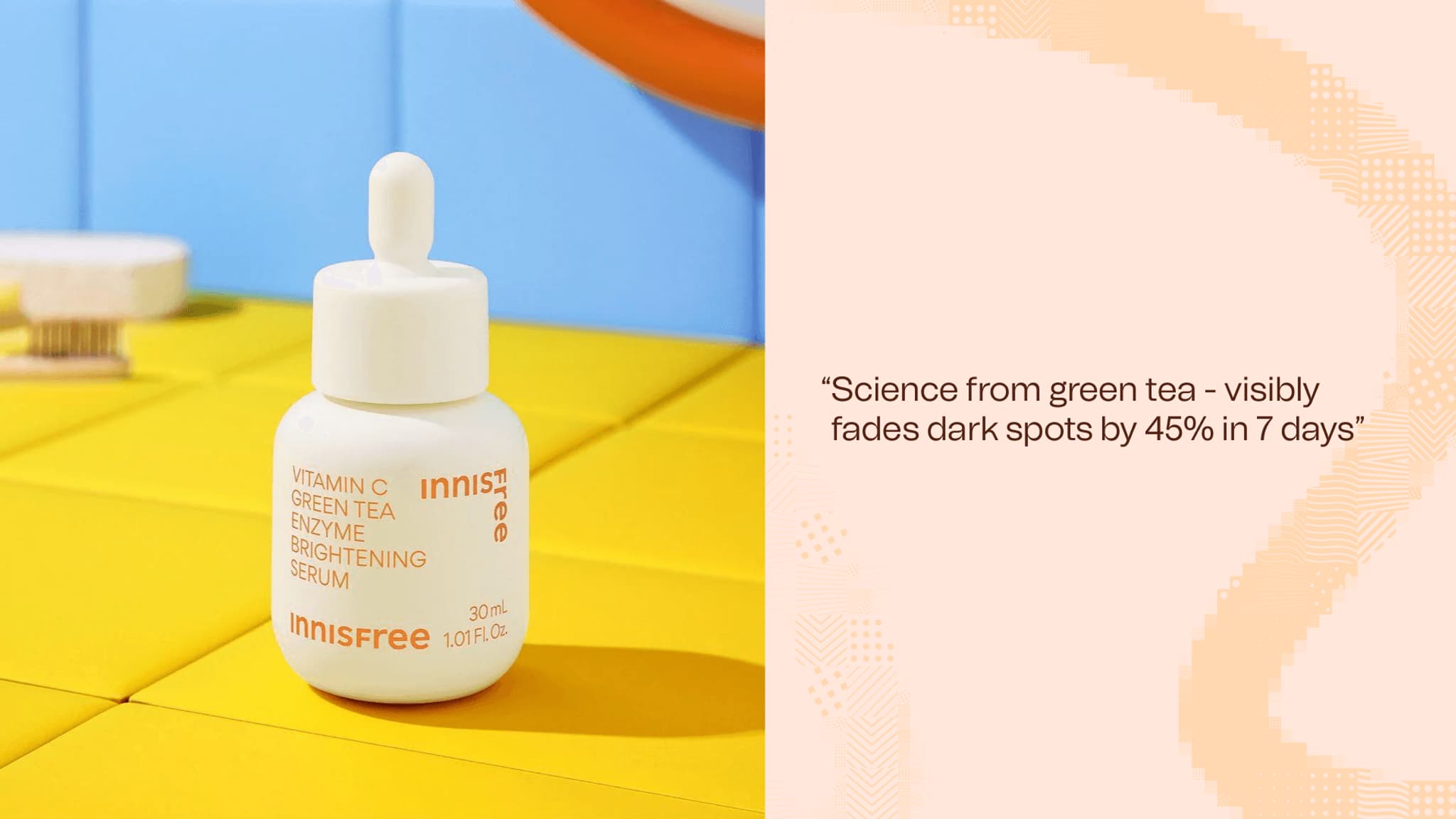
Innisfree Vitamin C Green Tea Active Brightening Serum
Core Key Message:
"Science from green tea - visibly fades dark spots by 45% in 7 days."
This message consistently appears across every brand touchpoint.
Head:
- "45% reduction in dark spots after 7 days" → Clear proof, clinical testing, surface skin comparison data.
- Green tea-derived bio-enzyme → Solid scientific mechanism that boosts Vitamin C absorption.
- Dual Vitamin C: oil-based and water-based → Detailed formula that ensures deeper, more stable penetration.
Heart:
- "Skin looks brighter, more even, clear, and safe for daily use." → Speaks to the desire for naturally beautiful, healthy-looking skin without visible flaws.
- "Unique texture absorbs quickly, non-sticky, suitable for sensitive skin." → Eases worries about sticky feel, clogged pores, or irritation.
- "Science from green tea" → Builds a sense of natural, gentle care that feels trustworthy.
Using clear and straightforward words
A key message, no matter how strong the idea behind it is, will quickly lose its impact if the way it is expressed is not persuasive. Persuasive language is the key because it does more than just make your message clear. It triggers emotion, builds trust, and motivates people to act.
Words that persuade are not just pretty or decorative lines that sound nice but say nothing. They are specific, active, easy to grasp, and connect directly with what your audience truly cares about.
Instead of: “Goals can be achieved with this strategy.”
Try: “Achieve your goals faster with this proven strategy.”
Incorporate emotionally evocative language by sparking vivid imagery or connecting to feelings, helping customers not only understand but truly resonate with the message.
Instead of: “Save time on daily tasks.”
Try: “Reclaim two extra hours every day to spend on what matters most.”
At the same time, avoid complex jargon; instead, use simple, conversational language that feels like a natural dialogue with the reader.
When a key message is written with weak verbs, empty jargon, or lifeless phrases, even the best idea or the most impressive data will slip by unnoticed. A good line must be clear enough to be understood instantly, real enough to feel credible, and vivid enough to stick in people’s minds and be repeated.
Ensuring consistency between message and brand action
A key message, no matter how compelling, loses its power if it is not delivered consistently and coherently across all customer touchpoints. This consistency builds strong trust with customers, allowing them to feel the brand’s authenticity and dedication.
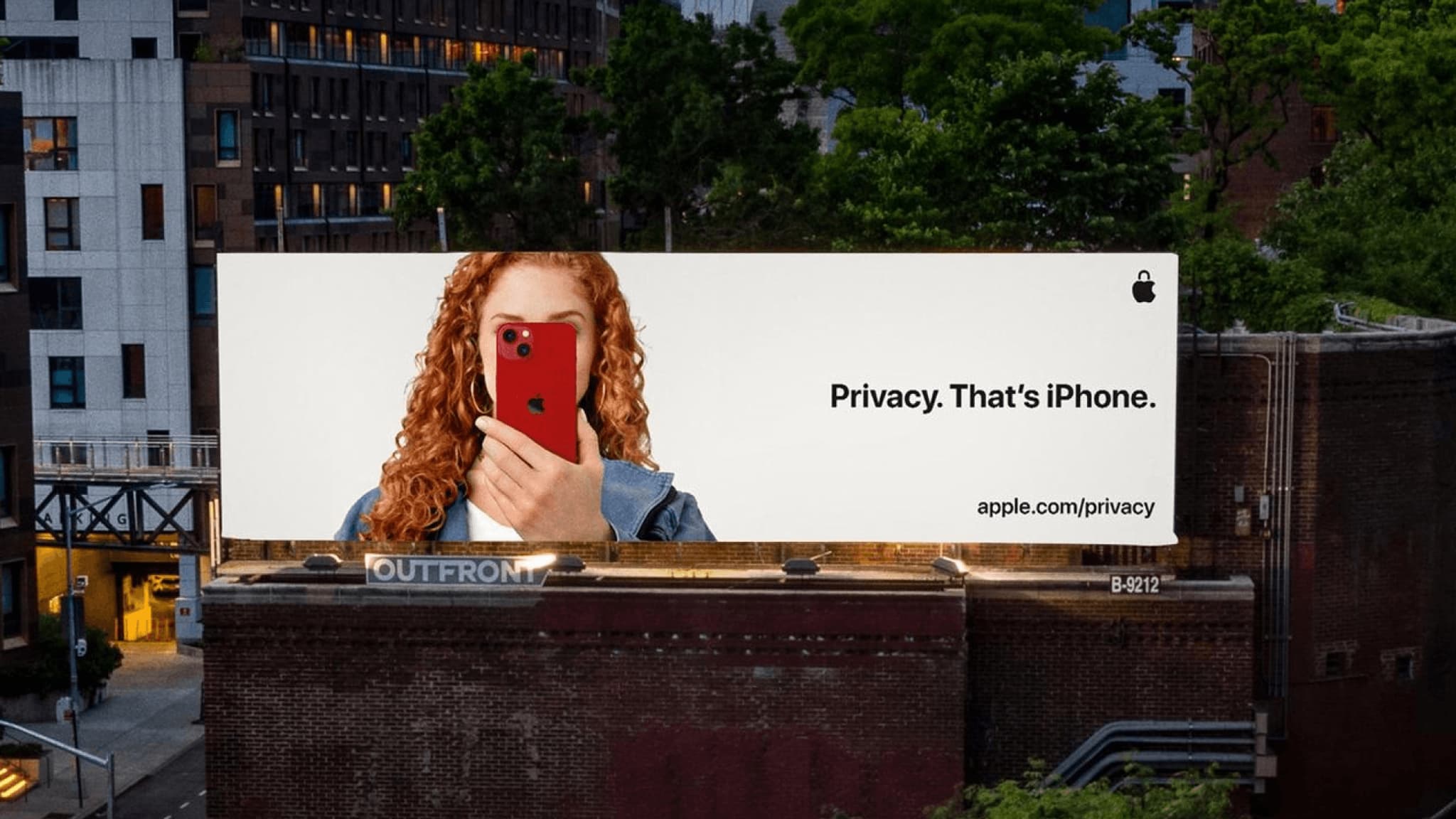
A major technology company once promoted the key message “Ensuring absolute privacy and data security for users.” Their application, however, frequently suffered serious security breaches that led to personal data leaks.
Moreover, their incident response was slow and lacked transparency. This disconnect between words and actions caused customers to lose trust, negatively impacting the brand’s reputation and image in the market.
3. The journey to developing a key message that resonates
Step 1: Understand your target audience
An effective message always begins with a deep understanding of who you are speaking to. Your audience is not just a group of potential buyers; they are people with real emotions, needs, and expectations.
When you truly understand your customers, your message no longer feels forced. It becomes an answer to the unspoken questions they may never say out loud, but are always looking to solve. That is how you make people feel that your brand does not just understand them but stands beside them in their everyday lives.

Understand your target audience
So, how do you get to know your audience?
Understanding your customers goes far beyond reading statistics or spreadsheets. You need to step into their world using clear and practical methods:
- Conduct audience research: Gather insights through surveys, interviews, or by analyzing customer behavior from your existing data. Even the smallest details, like their daily habits, preferences, or frustrations, can unlock ways to connect with them on a deeper level.
- Create buyer personas: Use the insights you gather to build detailed profiles of your ideal customers. Define who they are, what they care about, and what drives them to choose you. A clear persona helps you understand your audience and shapes how your brand speaks to them naturally and persuasively.
Let’s say you’re a startup preparing to launch an English learning app. Instead of trying to target “everyone who wants to learn English,” you choose to start right by deeply understanding who you are speaking to.
You run basic surveys with a few early users. From this, you identify a clear target audience:
- Aged 25–35, living in urban areas
- Works at international companies, agencies, or startups where English is a must-have
- English level: basic to intermediate (IELTS 5.0–6.5). Not beginners, but still lacking confidence
- Not learning to pass exams, they want to use English effectively in daily work
- Busy schedules, so they prefer content that is short, practical, and flexible to access
Step 2: Crafting a core message that speaks to your audience
When crafting a message, many brands easily fall into the trap of only talking about themselves, what they do, what they offer, and how great they are. But let’s be honest, customers do not care about what you want to say as much as they care about what you can do for them.
If you want to build a key message that truly works, start by shifting your focus. It is not about you, it is about your customers.
- What do they care about
- What excites them or keeps them up at night
- And how can your brand become a part of their story?
Creating a key message is not about inventing something completely new. It is about refining and distilling your core values into a statement that is clear, memorable, and easy to share. A good key message does not just reflect who you are; it speaks directly to what matters most to your customers.

Crafting a core message that speaks to your audience
Among countless frameworks and complex marketing formulas, one of the simplest and most practical ways to shape your message is the Think - Feel - Do approach.
Here is how it works:
- Think: What is the one thing you want people to understand or remember about you? This is the rational part, a fact, promise, or clear proof that shows your unique value.
- Feel: How do you want them to feel when they hear this? This is where your message creates an emotional connection and answers the question, So what?
- Do: What action do you want them to take next? A good message does not stop at awareness. It should make people feel ready to act.
A brand that demonstrates the ability to shift the focus from product to customer is Casper - a startup specializing in mattresses and sleep-related products.
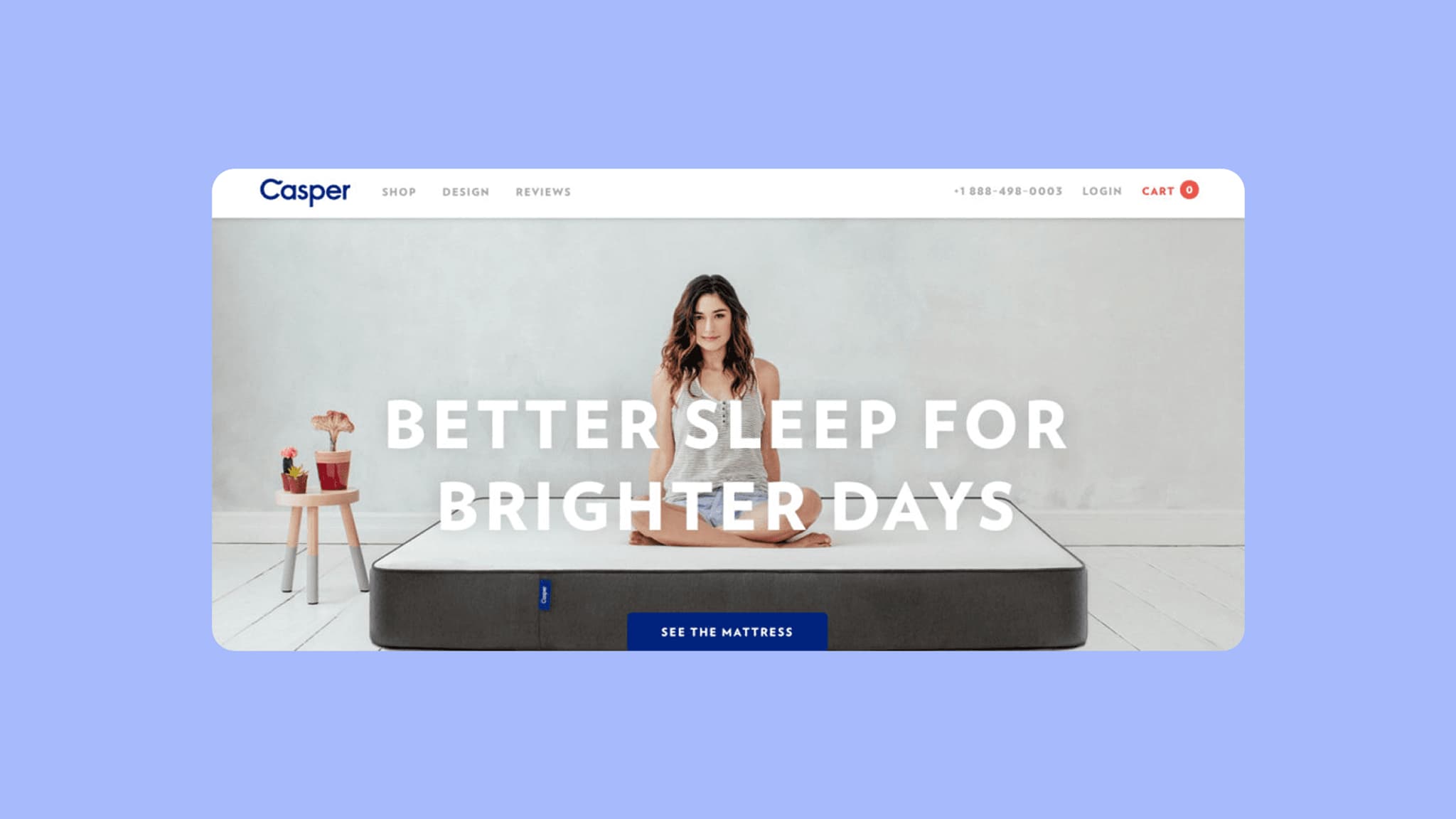
Casper - "Better Sleep for Brighter Days."
From the moment they launched in 2014, Casper avoided getting caught up in technical details like foam layers or mattress materials. Instead, they focused on delivering one core message:
“Better sleep for brighter days.”
This message is short, memorable, and most importantly, it speaks directly to the core needs of their target audience: Young urban professionals who lead fast-paced lives, deal with high stress, and often struggle with getting quality sleep.
Casper shaped this message using the Think - Feel - Do model:
- Think: Casper offers products that help you sleep better, thanks to smart design, convenient delivery, and a customer-friendly experience with risk-free trials.
- Feel: “Better sleep for brighter days” evokes a sense of optimism and emotional relief, a life where you wake up refreshed, energized, and ready.
- Do: The message is simple, positive, and hits a real pain point – making it easier for customers to trust the brand and move toward purchase without hesitation.
Step 3: Developing supporting key messages
The core key message is like the headline of a story. It grabs attention and makes the first impression. However, to make the story richer and more meaningful, your brand also needs supporting key messages. These are extensions of your main message that add clarity, strengthen its persuasiveness, and make it feel more relevant and relatable to your audience.
Supporting key messages highlight specific benefits, provide real evidence, and create emotional connections with customers. They are like smaller stories within the bigger narrative, helping your audience not only understand but also feel the true value of what you want to communicate.
Look at how Vichy Mineral 89 does this in practice.
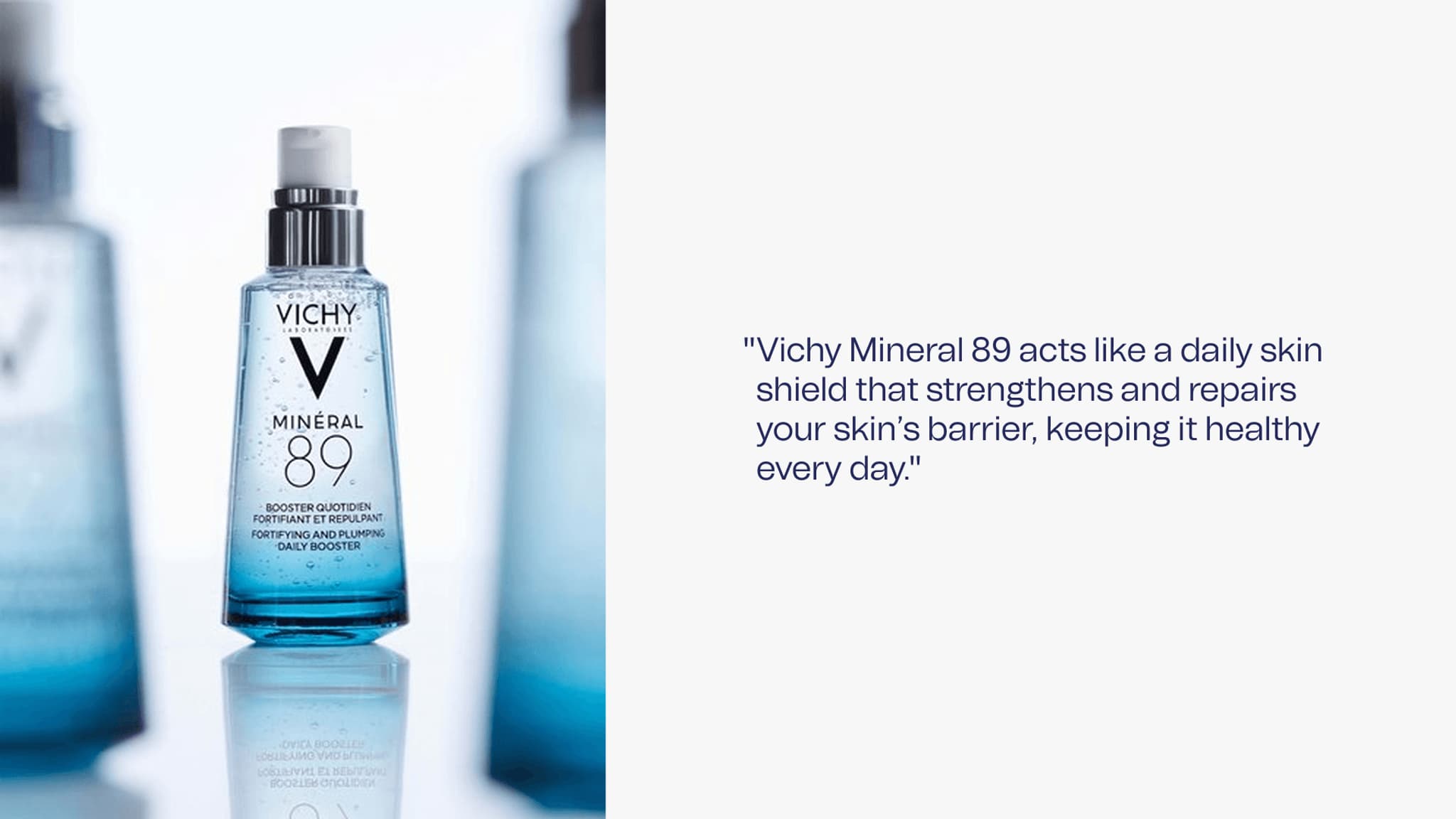
Vichy Mineral 89 serum
Core Key Message:
"Vichy Mineral 89 acts like a daily skin shield that strengthens and repairs your skin’s barrier, keeping it healthy every day."
Supporting Key Messages:
- "Contains 89% Vichy volcanic water to reinforce the skin’s natural defenses with essential minerals."
- "Combines pure hyaluronic acid to deeply hydrate and prevent moisture loss throughout the day."
- "Lightweight texture that absorbs quickly and suits all skin types, even sensitive skin."
- "Clinically tested on Asian skin, alcohol-free and fragrance-free for proven safety and comfort."
Each supporting message makes the core claim more believable and relatable. Together, they explain why the product can deliver on its promise and give customers the confidence to trust and choose it.
Most brands do have supporting key messages behind the scenes, but when they speak to customers, they mainly focus on the core message because that is what sticks. Supporting messages are what your marketing or comms team uses to explain, write copy, and back up your promise. For customers, these extra points often feel like part of the advertising. They rarely remember each detail, but they do sense that your promise has real reasons to trust.
Step 4: Show your key messages in action
Creating an effective key message is a journey, but its true value only shows when it lives in every touchpoint. In an age where customers are more aware than ever and quick to doubt glossy promises, a key message means nothing if it stays stuck on paper.
Imagine a brand claiming its key message is “We put transparency first” yet its product information is vague, the ingredient list is hidden, and its staff give evasive answers. When words and actions do not align, the message only deepens people’s doubts.
In reality, it is not just your key message that needs to stay true in practice. Every element of branding, from your brand story to your tone of voice to your brand personality, must be consistent with real actions. Only then will your message be trusted, remembered, and shared.
4. Wrap-up
An effective key message is not just about delivering information. It has the power to shift how customers see your brand, build genuine trust that lasts, and motivate people to take real action. The journey from understanding your audience and clarifying your core values to bringing your message to life in daily practice does more than help your brand stand out, it makes people feel heard and supported. When done well, a key message does not stop at leaving an impression. It becomes a strong bridge that brings your brand closer to the hearts and minds of your customers.