Logo design process - From idea to brand signature
Logo design goes beyond creating a beautiful mark. It's a strategic journey that distills brand essence into a story the world can recognize and remember.
A logo is not the entirety of a brand’s identity. A strong brand can never rely on a beautiful logo alone. Branding is a much broader ecosystem, in which the logo is just one piece, but an important one that helps introduce and anchor the brand in people’s minds.
According to research by Zippia, 75% of consumers recognize a brand through its logo, and 42% believe that a logo can reflect the brand’s personality. Of course, a logo alone cannot tell the entire brand story. Take Nike’s famous “swoosh”, at first, it was just a simple shape. It only gained real meaning when combined with the tagline “Just Do It” and the brand’s strong presence in the sports world.
This demonstrates that an effective logo must also harmonize with other brand elements to consistently and deeply communicate values. Crafting a successful logo requires a clear concept, intentional design choices, and the ability to create an emotional connection with the audience.
1. The logo design process is more than creating a beautiful symbol
The logo is the "face" of a brand, appearing at every point where customers might engage. From websites, displayed products, advertising campaigns, to street signs, the logo is always a critical element of recognition, like a first greeting that helps the brand connect with the world.
Beautiful, unique, captivating, these are the adjectives every brand dreams of attaching to its logo. But what about sustainability or the ability to tell a story tied to the brand? A beautiful logo can make people marvel at first glance, but it often leads brands to mistakenly believe that an eye-catching design alone is sufficient to build brand power.
In reality, it’s not that simple. No matter how beautiful or impressive a logo is, if it doesn’t stem from a clear strategy or connect with the brand’s story, it’s likely to be forgotten. While aesthetic appeal can capture attention at first glance, a logo needs to carry deeper meaning for customers to remember it and resonate with it. A logo is not just an image; it’s the way a brand tells its story - about its identity, values, and what it aims to share with the world.
2. The logo is a piece of the brand puzzle
A brand's logo is like a crucial piece in the overall puzzle. No matter how beautiful a piece may be, if it doesn’t fit the puzzle, the whole picture becomes fragmented.
The logo is a piece of the brand puzzle
When the logo is part of a branding system
A logo cannot exist in isolation; it must harmonize with other elements to create a cohesive and complete brand identity for three key reasons:
- Creating overall connection: The logo is at the center of the brand identity system, needing alignment with colors, fonts, imagery, and messaging. When all these elements are in harmony, the brand appears more professional, easier to recognize, and leaves a lasting impression on customers.
- Conveying brand values: A logo is not just a beautiful image but a vessel to convey the brand’s core values and unique identity. A logo aligned with the brand story helps create distinction and easily builds emotional connections with customers.
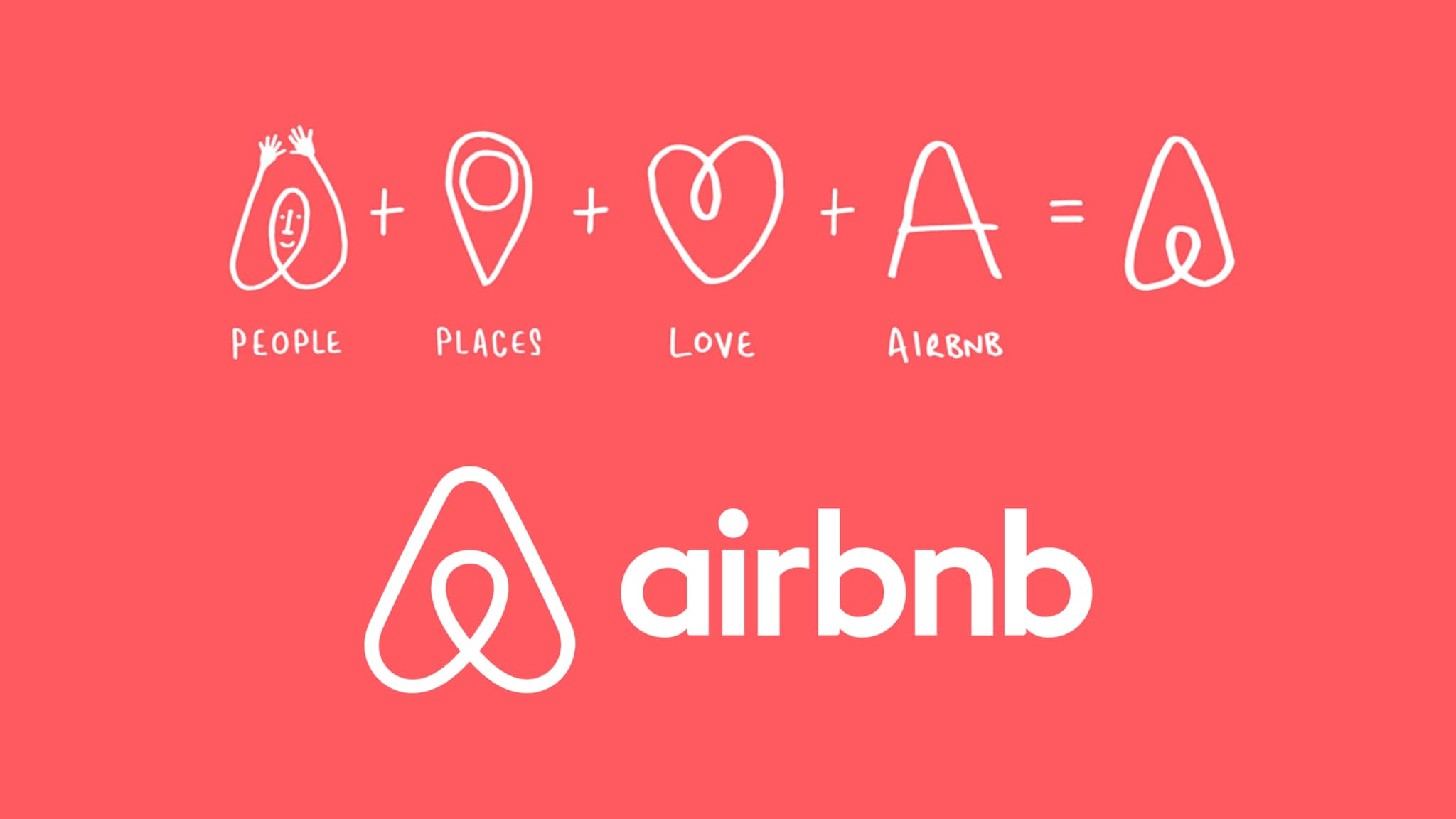
The Airbnb logo carries multiple layers of meaning, reflecting people, places, love, and belonging.
Airbnb's logo, featuring the "Bélo" symbol, is a combination of four key elements: People, Places, Love, and the Airbnb brand (A). This symbol serves not only as a brand identifier but also as an expression of understanding, evoking a sense of welcome and belonging that resonates with customers throughout their journeys.
- Optimizing communication: When the logo aligns with the brand strategy, it conveys consistent messaging across all platforms, from product packaging, advertising campaigns to social media. This consistency boosts brand recognition and builds trust, and fosters strong customer relationships.
Logo design steps:
- Step 1: Understanding the brand at its core
The first step in designing a logo involves thoroughly understanding and gathering detailed information about the brand. This stage goes beyond simply learning what the brand does; it delves into its reason for existence, core values, and unique differentiators.
A new food brand might initially think: “We want a logo that looks fresh, appetizing, and trendy.” But as we dug deeper into their brand story, it became clear that what they truly wanted to convey was transparency in their sourcing and a commitment to consumer health. That insight led us to approach the design in a completely different way, far beyond just creating an attractive visual.
This is a deep listening process, asking the right questions to uncover aspects that even the brand itself may not have considered. Questions related to brand strategy (goals, values, target audience) and brand personality (visual identity, desired emotional resonance) help shape a logo that’s aesthetically pleasing and a true reflection of the brand’s essence.
- Step 2: Shaping the brand story
Based on the insights gathered in the first step, this phase transitions from discovery to organizing and defining the brand story. This process focuses on clearly identifying the target audience, core values to be conveyed, and key differentiators that set the brand apart from competitors.
When working with WCC, an editorial agency helping global brands tell authentic local stories in Vietnam, we started by identifying their core values: sharp, witty, anti-cliché storytelling rooted in real cultural nuance.
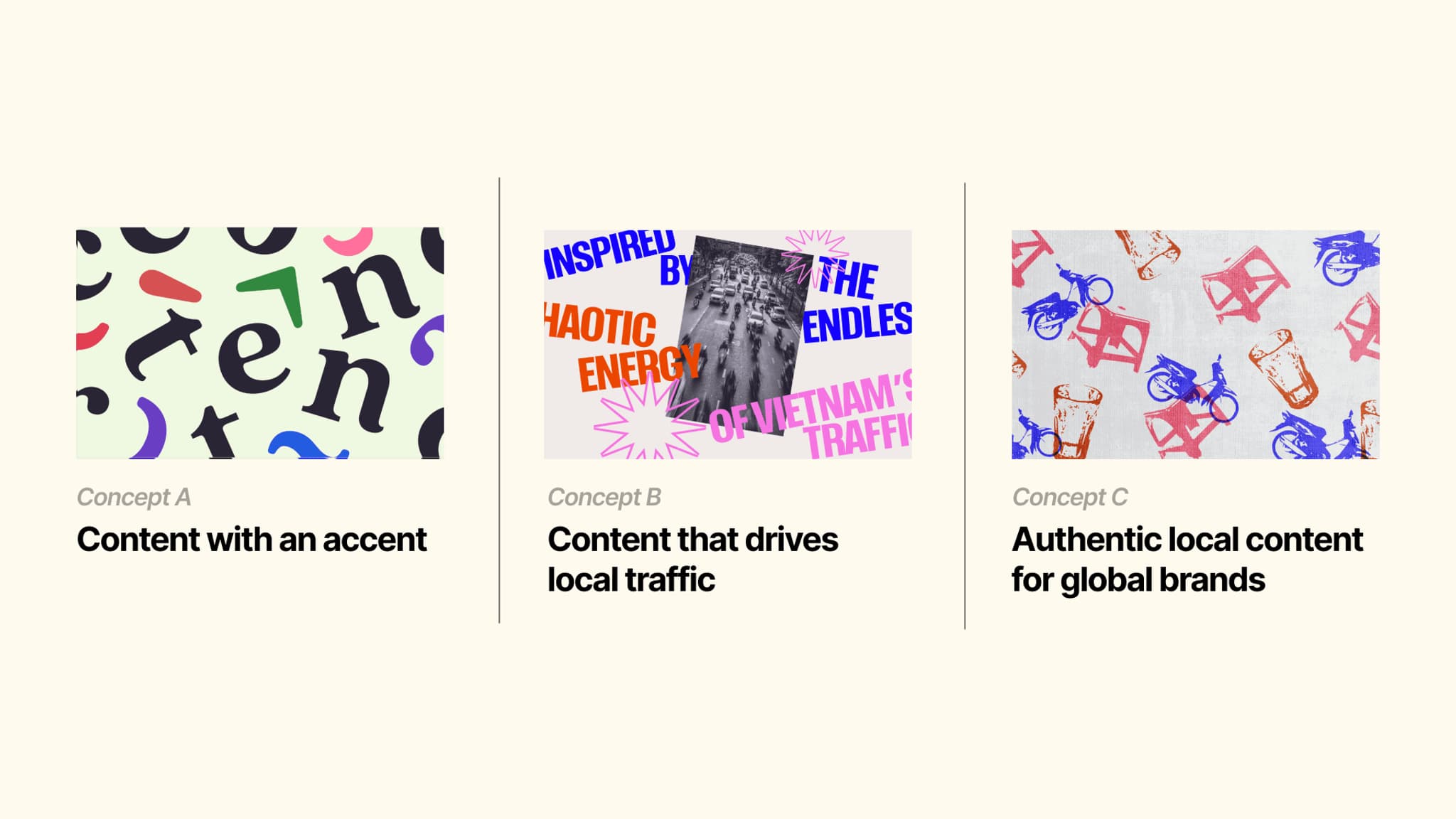
Three concept directions developed by CDA for the WCC branding project.
Through an in-depth exploration phase, we developed three distinct concepts, each offering a different way to frame the brand:
- Content with an accent: leveraging “Viet-lish” (Vietnamese-English hybrid language) as a playful, editorial voice
- Content that drives local traffic: using the metaphor of navigating Vietnam’s dynamic local scene
- Locally-sourced content for global brands: highlighting WCC’s deep cultural insight and sourcing
After collaborative review, we landed on Content with an Accent, a direction that best captured WCC’s editorial spirit, while offering a flexible, expandable system for future design.
The defined brand story serves as both a guiding principle for logo design and a foundation to ensure the logo is not just visually appealing but also deeply meaningful, accurately reflecting the spirit and identity of the brand.
- Step 3: Defining style through moodboards
Once the brand story is established, the next step is to define the logo’s style through mood boards. This visual tool helps conceptualize the brand’s look and feel, encompassing color palettes, typography, and key visual elements.
This process not only narrows down style options but also provides clear direction for the subsequent design phases. Moodboards ensure that the chosen style aligns with the brand story and resonates with the preferences and expectations of the target audience.
- Step 4: Designing and refining
With the inspirations and style direction established, initial logo ideas are sketched and developed. This step blends creativity with strategic thinking to produce a design that is both distinctive and reflective of the brand’s values and identity.
The design process typically involves multiple rounds of feedback and refinement to optimize the concept for both aesthetics and functionality. Each iteration is carefully considered to ensure the logo is not only visually striking but also strategically aligned with the brand’s objectives.
- Step 5: Finalizing and application
Once the logo design is complete, the final step involves preparing comprehensive resources and tools to ensure consistent application across all platforms. This toolkit usually includes logo files in various formats, detailed usage guidelines covering color schemes, typography, and layout rules in different contexts.
Additionally, practical application resources such as templates for social media, print materials, and presentations are created to ensure the logo integrates seamlessly into all brand activities. This step is essential to ensure the logo moves beyond design and is effectively implemented in real-world scenarios.
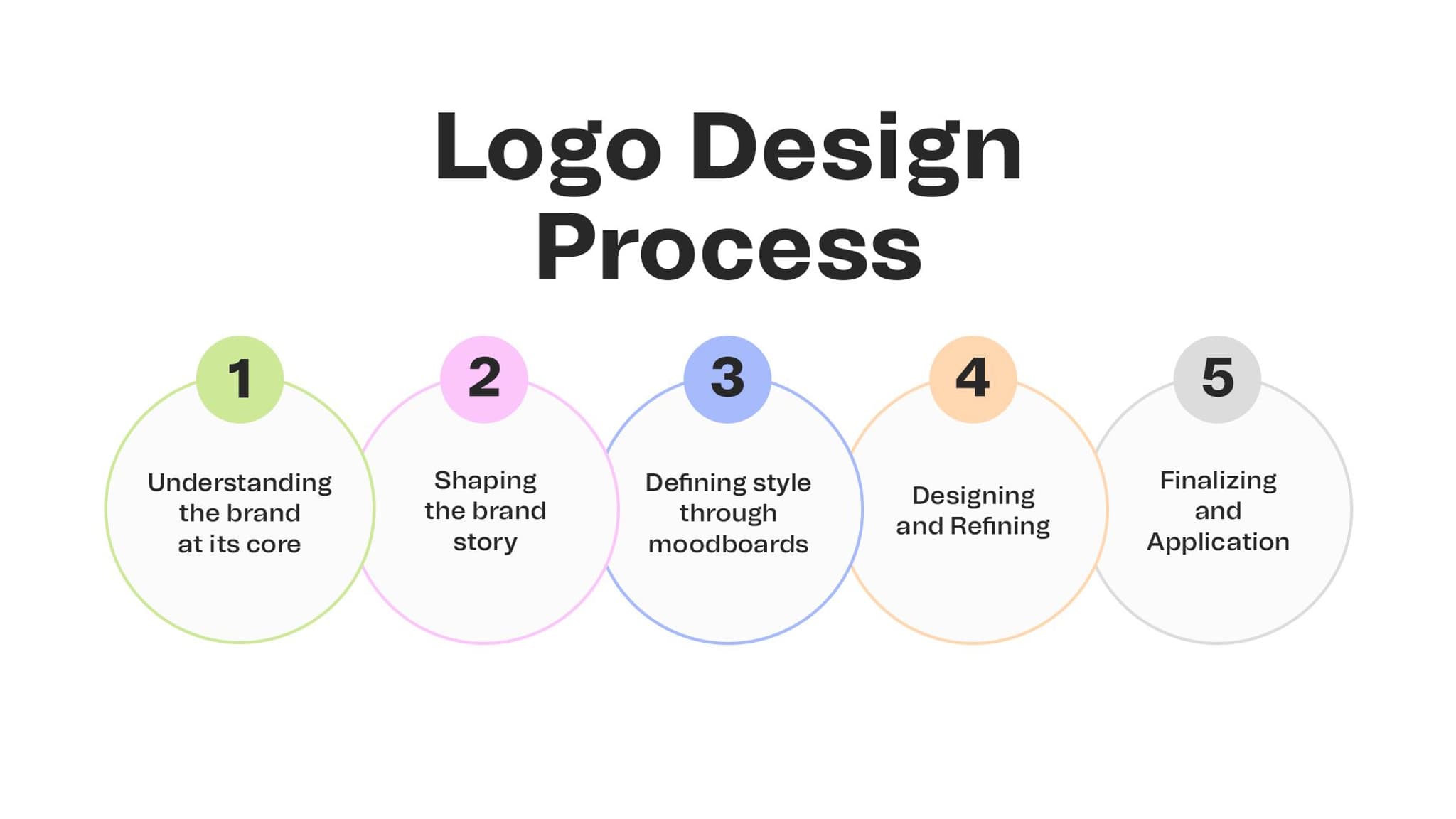
The logo design process consists of five key steps.
3. But there will always be exceptions...
Not every logo needs to adhere to a long-term branding system. In some special cases, such as significant cultural events or short-term campaigns, an independent logo becomes the perfect choice to deliver a strong, clear, and focused message. The logo designed for the 30th anniversary of diplomatic relations between Vietnam and UAE, created by CDA, is a prime example of the power of a culturally rich, independent logo.
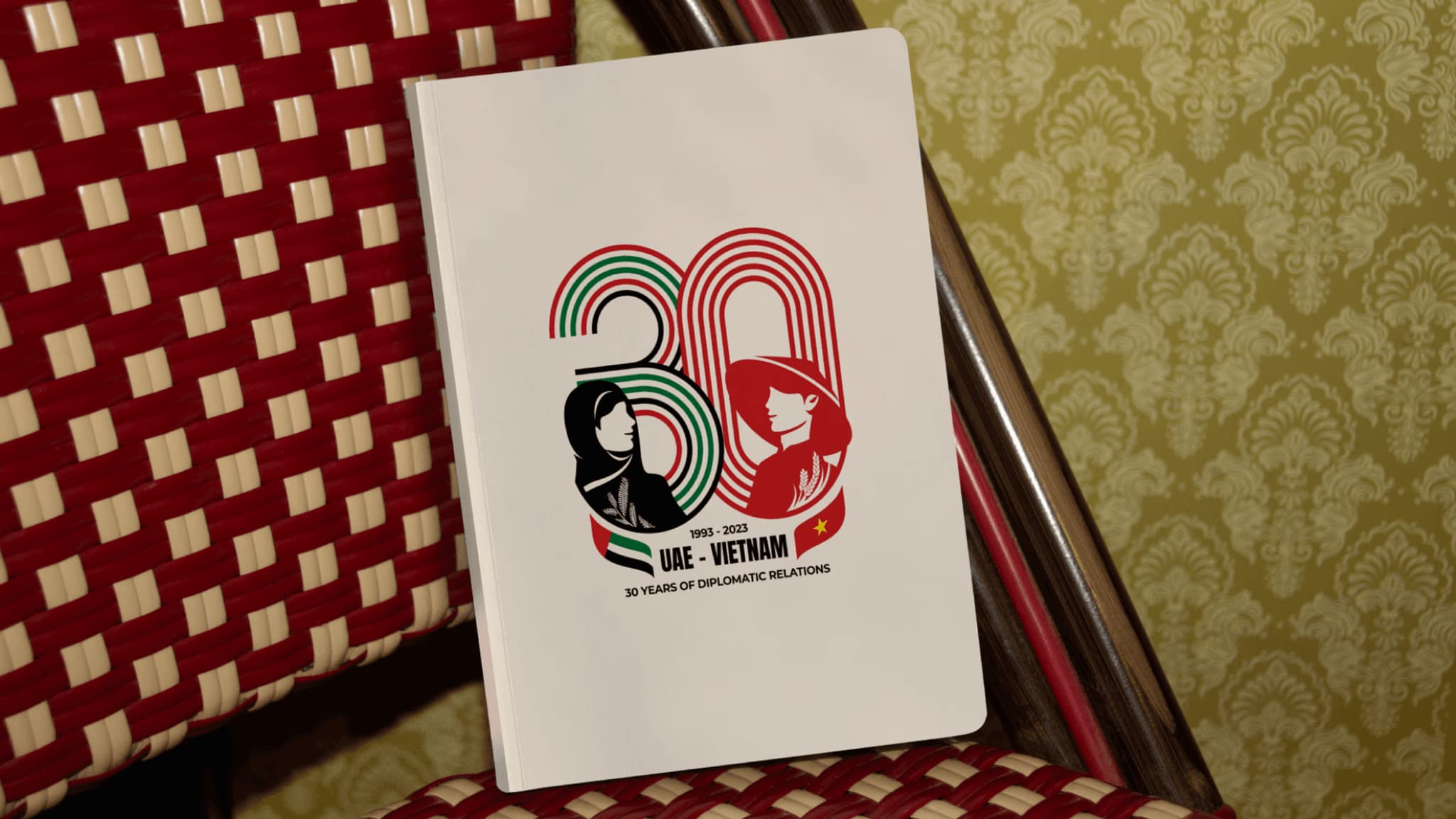
A culturally inspired logo for the 30th anniversary of Vietnam-UAE diplomatic relations
The logo was not just an identity marker but a cultural bridge between the two nations. The central image, two women in traditional attire from Vietnam and the UAE, symbolizes a blend of softness and elegance, representing the spirit of friendship. Elements rooted in local culture, like Vietnam’s rice plant and the UAE’s Ghaf tree, enrich cultural meaning and honor the resilience and prosperity of both nations.
This project demonstrates that an independent logo, when designed with deep cultural inspiration, can transcend limitations, serving a specific event and sparking pride, uniting communities, and leaving a lasting impression. With a thoughtful design, the logo succeeded in conveying a message of friendship, celebrating cultural values, and affirming the symbolic importance of the diplomatic relationship between the two countries.
4. The connection between culture and logo design
Culture is a complex network that shapes how people live, think, and behave in society. It’s not just in customs and traditions but also deeply embedded in how we perceive and react to symbols, colors, and imagery. This makes culture a powerful but intangible factor in logo design.
In design, culture isn’t just a source of inspiration; it’s a language of communication. A logo can evoke positive emotions or cause misunderstandings based solely on how its symbols and colors are interpreted in different cultures. That’s why understanding and respecting cultural elements is a prerequisite to creating a logo that communicates effectively.
5. Conclusion
A logo is the starting point for the relationship between the brand and its customers, where values, identity, and emotions converge. A beautiful logo can capture attention, but only when it carries depth and connection can it truly leave a mark. This is why the logo design process requires a long-term vision, just to create an impressive symbol and ensure the logo tells the brand’s story over time.