
Thanh Nguyen

Every day around the world, hundreds, even thousands of projects begin with dramatic pitching sessions. Agencies “compete” to win the project, sometimes after just a quick presentation. With leadership shaped by years at top global agencies, we’ve come to see that choosing not to pitch can open up new opportunities for both the agency and the client.
You might be wondering, “So how do you actually get clients?” That’s what we want to talk about in this piece, why choosing not to pitch has worked better for both us and our clients.
Contrary to what many people think, our decision not to participate in pitching isn’t about having a high ego or avoiding challenges. In fact, the main reason is that CDA believes that pitching is simply not the best way to create true value for both us and you.
Pitching often forces agencies to come up with exciting, highly creative ideas, sometimes just to meet the urgent demands of a brief. However, these ideas often lack a deep understanding of the client’s business and long-term goals. It’s not about our ego, we don’t pitch because it’s not the most effective way to deliver real value to our clients. It’s as simple as that!
Before writing a brief, it’s crucial to first diagnose the real problem your business is facing. Sometimes, what seems like “the problem” on the surface isn’t the root issue at all. You might simply be chasing a trend, or misjudging the actual situation your business is in.
In fact, we often see that even leadership teams, the ones closest to the business, sometimes struggle to clearly define the core problem. If that’s the case, how can any agency with only a short brief and a few days of prep realistically uncover what’s truly needed?
We’ve also noticed that when pitching happens purely off a written brief, the agency is essentially entering a competition with very limited understanding of the client’s current reality. Sure, an agency can come up with ideas based on the brief, but without a deeper grasp of the full business context, those ideas rarely fit or deliver lasting impact. That’s almost certain.
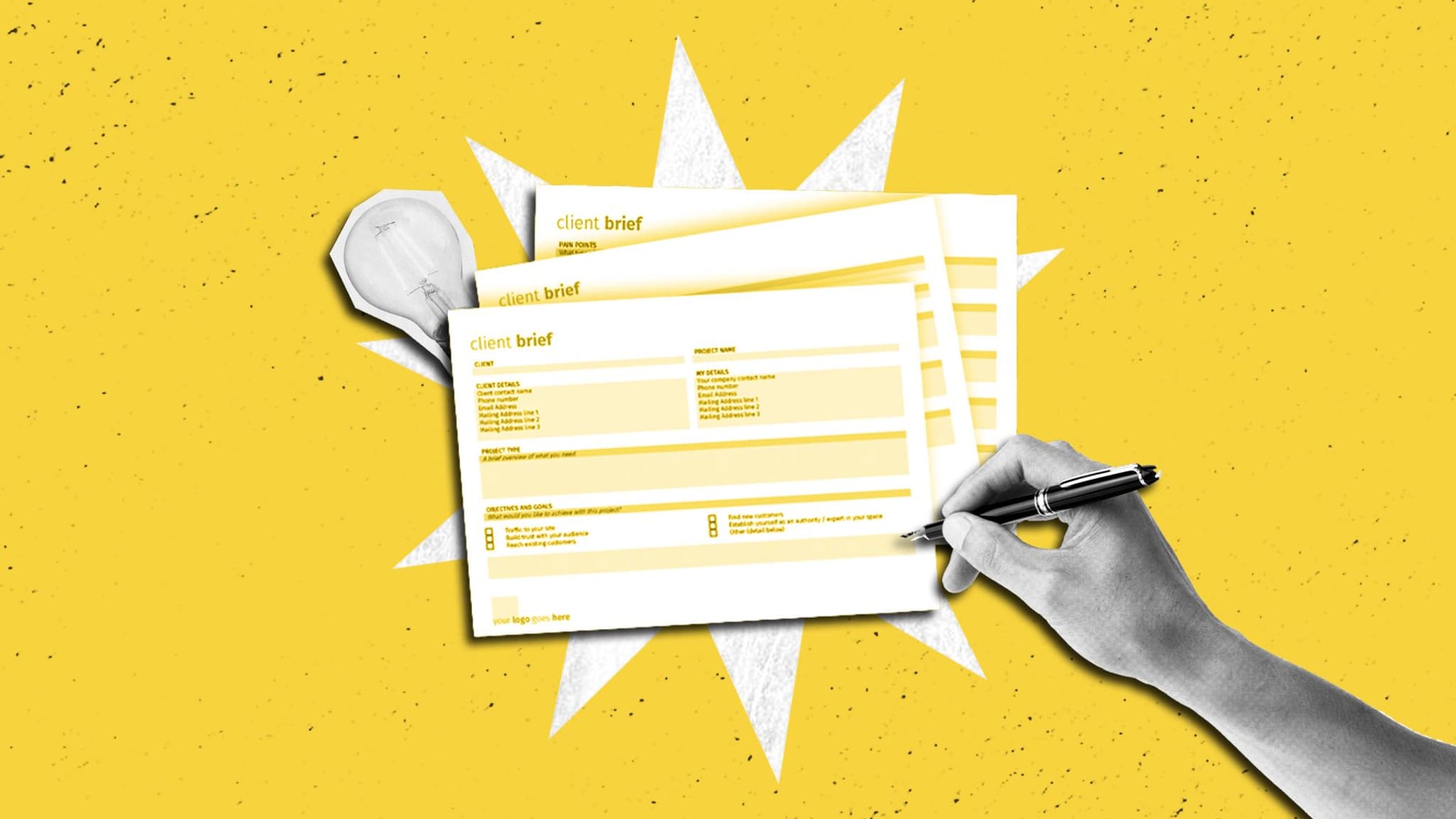
The brief doesn’t reflect the real problem the business is facing
Instead of just responding with ideas based on a vague brief, we never start a project without deeply understanding “what you need” and “what you truly want.” Understanding your true needs and issues is our number one priority because only when we truly understand can we create real value for you.
That’s why CDA will spend as much time as necessary to really get to know your business through the questions: What do you need and what do you truly want? After that, we will present more practical, tailored design solutions that align with your specific goals. Once we understand the core issues, we can truly find the “real solution” together.
Creating a truly great idea requires a lot of time and in-depth research. The idea presented in a pitch is often not the final one, and it’s usually not the best solution for the client. In fact, the “free” ideas proposed during a pitch process often don’t reflect the true values and objectives that the client needs. These ideas might have addressed most of the items mentioned in the brief, but have they tackled the root cause of the issue?

After a lot of effort and facing various difficulties, the idea finally emerged.
We’ve never, and will never, try to “force” a project just to win a pitch. Our core and identity lie in creating value for our clients, not in finding ways to win a bid. If we don’t truly understand your business, the ideas we propose are likely to change many times later on. A long-term sustainable relationship with our clients is far more important than winning a short-term project. We truly believe that!
Furthermore, our time and resources are limited. We want to invest our energy into projects where we truly believe we can make a difference. And sometimes, if CDA isn’t the best fit for a client, we’ll be honest and direct, suggesting another agency that might be a better match. Even if we don’t work together, at least we’ve helped you identify the next step.
So, if you truly want to make a change and solve a problem, let’s start with a real conversation instead of a brief. We believe that through listening and understanding your needs, we can create designs that have real value, rather than just chasing the criteria of a pitch.
Finally, if you still want to organize a pitch, we won’t refuse you. We’re happy to have a discussion, share our perspectives, and even propose some suggestions based on our industry experience to help you make an informed decision. The final choice is, of course, entirely up to you!