Sustainable brands – going green or just wearing it?

"Sustainable" is everywhere, but are brands genuinely committed to it, or simply using it as a green disguise to appeal to conscious consumers?
Have you noticed that the phrase "sustainable brand" has been popping up everywhere in recent years, from high-profile advertising campaigns by global corporations to social media posts by budding startups? As the world faces escalating environmental, economic, and social challenges, sustainability is no longer just a rising trend or a question of "should we or shouldn’t we?" It has become an essential consideration for businesses looking to adapt and thrive in a volatile world.
1. What exactly is a sustainable brand?
While many people talk a lot about "sustainable brands", not everyone truly understands what sustainability entails. Traditionally, the term has been associated with environmental protection, think recycling, waste reduction, or forest conservation.
Today, the meaning of a “sustainable brand” has expanded significantly, encompassing social responsibility and economic benefits alongside environmental considerations. A truly sustainable brand is not just "green"; it must strike a balance among three critical factors:
- Environment: Taking actions that do not harm the planet. This could mean creating products that are recyclable or produced in ways that minimize emissions and waste.
- Society: Respecting workers' rights, maintaining transparency in supply chains, and creating positive value for communities.
- Economy: Ensuring fair profitability without sacrificing environmental or social well-being for short-term gains.
This holistic approach underscores that sustainability is not a single act of kindness toward the Earth, it is a multifaceted commitment to making a lasting, meaningful impact on all fronts.

ESG - Environmental, Social, and Governance
2. Consumers are becoming more discerning…
We are living in an era where consumers are becoming increasingly informed and sensitive about the products they buy. Beyond traditional considerations like quality, design, and price, many purchasing decisions today are influenced by deeper values. This shift is not just a passing trend, it is the manifestation of a powerful wave of social awareness that is evolving dynamically and inspiring change.
The numbers speak volumes:
This isn’t just based on assumptions, statistics reveal a clear shift in consumer behavior. According to GreenPrint, 64% of Gen X consumers are willing to pay more for sustainable products, and that figure jumps to 75% for Millennials. Meanwhile, Gen Z - growing up in a world grappling with climate change, global inequality, and increasing demands for transparency - tends to make purchasing decisions with careful consideration of the values a brand represents.
3. What are today’s customers looking for?
Many consumers today seek more than just tangible benefits like product quality or convenience, they also look for brands that reflect their values. A recycled bag isn’t just an everyday accessory; it represents a commitment to environmental responsibility. Likewise, an organic product embodies a commitment to a sustainable lifestyle while offering health benefits.
In this evolving landscape, brands that truly connect with consumer priorities go beyond selling products. They cultivate meaningful relationships and become an integral part of their customers’ lives.

Eco-friendly personal care items in a mesh bag
This explains why some brands go beyond promoting familiar features like durability, design, or price. They focus on telling deeper stories that convey values such as environmental protection, community support, and the celebration of local culture.
Cocoon is a prime example. The brand doesn’t just promote its products through familiar factors like quality or pricing, it builds a meaningful sustainability narrative. With a commitment to natural ingredients, vegan formulations, and cruelty-free practices, Cocoon delivers a powerful message of environmental protection and wellness.
As a result, Cocoon attracts consumers not only for its safe and effective products but also for the humanitarian values and social responsibility it represents.
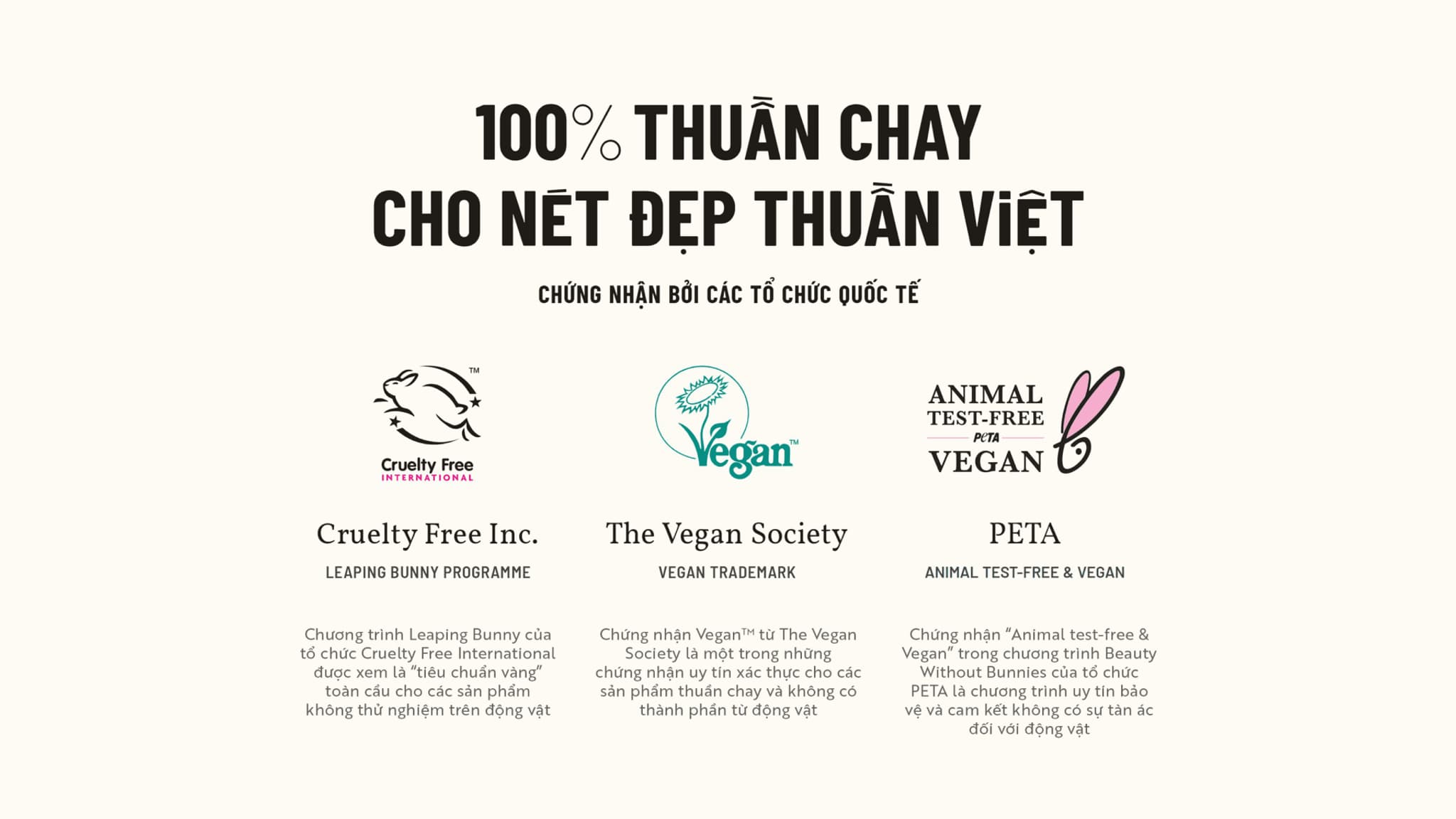
Cocoon’s sustainability certifications
However, not all customers prioritize these factors. Every consumer weighs their decisions differently, considering usability, cost, and sustainability. In this context, brands must find a balance between meeting practical needs and expressing the broader values they aim to represent.
Some consumers want to be part of a bigger journey. They believe that even small choices can contribute to positive change. However, there is still debate about how realistic these commitments are and whether brands genuinely communicate their sustainability values in an honest and authentic way.
4. Sustainability: redefining the brand-consumer relationship?
A sustainable brand represents a shift from a transactional relationship to a transformational connection, emerging as a powerful approach that helps businesses stand out in an increasingly competitive market.
Rather than simply exchanging goods for money, this strategy encourages brands to align with consumers’ aspirations, fostering deeper connections and inspiring loyalty by offering not just products but a sense of purpose and shared values. As this relationship continues to evolve, brands have the opportunity to redefine engagement, moving beyond selling, toward collaborating with customers to build a better future for society.
Patagonia - Worn Wear Campaign
Patagonia has gone far beyond being just an outdoor apparel brand - it has become a symbol of sustainability and social responsibility. From using recycled and organic materials in production to committing to 100% recyclable or biodegradable packaging by 2025, Patagonia focuses on its products and on meaningful actions to protect the environment. Its Worn Wear program allows customers to buy, sell, and trade used Patagonia items, promoting circular consumption and reducing waste.
However, not every brand has the resources or capability to implement such initiatives. Pursuing a sustainable development strategy requires long-term investment, innovative thinking, and, at times, economic trade-offs - challenges that many businesses are still grappling with.
As the world grapples with significant environmental, economic, and social challenges, sustainability is increasingly seen as a standard that brands are expected to meet. The real question today is no longer "Should businesses pursue sustainability?" but rather: "Does their commitment truly stem from core values and come with concrete actions, or is it simply a marketing tactic to follow the trend?"
5. Greenwashing: the consequence of chasing sustainability trends
As sustainability becomes a top priority for modern consumers, more businesses are positioning themselves as green brands. However, not every claim about sustainability is a genuine commitment. This has led to the rise of “greenwashing” a growing trend that creates negative consequences and hinders real progress toward sustainable development.
What is Greenwashing?
Greenwashing can be simply understood as businesses attempting to create an eco-friendly image without taking real actions to minimize their negative impact. Many brands introduce "green" packaging, such as paper bags or cups, or label their products as being made from "recycled materials." However, they often fail to address more significant concerns, like carbon emissions from production or opaque supply chain practices.
According to Kantar's 2023 Sustainability Industry Index, more than 50% of global consumers believe brands across various industries mislead customers with sustainability claims.
As consumers grow more conscious of environmental issues, greenwashing weakens trust and undermines the efforts of brands genuinely committed to sustainability. For businesses striving to lead in this space, authenticity, transparency, and responsibility are more essential than ever.

Greenwashing – a product being painted green to appear eco-friendly.
The consequences of Greenwashing
Greenwashing not only erodes consumer trust but also undermines the efforts of brands genuinely committed to sustainability. Misleading claims can give consumers a false sense of contribution to environmental protection when, in reality, no meaningful changes are being made.
Some fast fashion brands advertise "sustainable" products while their supply chains continue to inflict significant harm on the environment. This practice deceives customers and diminishes the credibility of brands that are truly investing in sustainability initiatives, such as improving supply chains or reducing waste.
6. Sustainability - a long journey, not a marketing label
Brands that generate over 50% of their revenue from ESG (Environmental, Social, and Governance) initiatives enjoy higher customer retention rates (32 - 34%) compared to those that do not focus on this area, which see retention rates below 30%.
This underscores that sustainability is not just a promise - it is evidence of continuous innovation, long-term investment, and the patience to turn commitments into concrete actions that transcend glossy marketing campaigns.
a. The long-term benefits of sustainable strategies
While the path to sustainability is challenging, brands that persevere can expect significant rewards:
Enhanced customer loyalty
Traditionally, consumers have prioritized factors like product quality, affordability, and convenience. However, if a product satisfies these criteria while also embodying sustainable values, it can become a powerful differentiator that fosters strong brand loyalty.
According to a 2021 survey by the IBM Institute for Business Value, 84% of global consumers consider sustainability an important factor when choosing brands. Of these, 55% view it as very or extremely important, a 22% increase from 2019. Additionally, 62% of consumers now report a willingness to alter their purchasing habits to reduce their environmental impact.

Survey results about consumer attitudes toward eco-friendly products
These statistics highlight the potential of sustainability to build loyalty among a growing segment of consumers who value ethical and responsible consumption.
By committing to authentic and actionable sustainability practices, brands not only align themselves with the values of their customers but also secure a more resilient and meaningful market presence for the future.
Brands should not stop at championing sustainability through marketing campaigns; they must invest in ensuring product quality and an exceptional user experience. Sustainability becomes truly convincing only when paired with practical value that customers can directly perceive. This approach not only sustains trust but also fosters long-term relationships with consumers.
Enhanced adaptability in a rapidly changing world
The world is evolving daily, with increasingly stringent regulations on emissions, waste management, and resource use. Global supply chains face mounting challenges, from pandemic-induced disruptions to economic crises and resource shortages, forcing brands to adapt.
In this context, a sustainable strategy not only helps businesses mitigate risks but also enhances their ability to weather volatility, ensuring long-term stability. By aligning with sustainable practices, brands can better navigate regulatory changes, maintain operational efficiency, and build resilience against future uncertainties.

IKEA's environmentally friendly products
IKEA is a prime example of leveraging sustainability to enhance resilience against external disruptions. By using 100% recycled wood or sustainably certified wood from the Forest Stewardship Council (FSC), IKEA not only contributes to natural resource conservation but also reduces its dependency on raw materials that are becoming increasingly scarce and subject to global price volatility.
IKEA’s transparent supply chain management system and adherence to strict environmental standards have proven to be a robust defense against major challenges, such as the supply chain disruptions caused by the COVID-19 pandemic. This ensured that customers continued to receive high-quality products without being impacted by shortages.
b. The challenge of transitioning to a sustainable brand
The cost of implementing sustainable strategies remains a significant barrier, especially for small and medium-sized enterprises (SMEs). From adopting recycled materials and restructuring supply chains to deploying circular business models, these initiatives demand substantial financial resources and time. This poses a key challenge: How can businesses balance profitability while fulfilling sustainability commitments?
Government support policies, such as tax reductions or financial subsidies, could play a crucial role in enabling smaller businesses to join the green revolution. Initiatives like the Fashion Pact also highlight the power of cross-industry collaboration, where large and small brands share knowledge, resources, and drive sustainability as a collective standard.

Representatives from brands participating in the Fashion Pact agreement
Although this is a major challenge for small businesses, responsibility does not fall solely on large corporations. Small businesses can begin with small changes, such as reducing waste, optimizing production processes, or using eco-friendly materials. These steps ease the pressure while building a strong foundation for greater commitments in the future.
c. But, change to a sustainable brand as an opportunity
Sustainability is not merely a daunting challenge, it is also a golden opportunity for brands to reshape their operations, engage with customers, and solidify their market position. On this journey, innovation and creativity are key to overcoming obstacles and transforming sustainability into a competitive advantage.
The demands of sustainability have spurred brands to pursue breakthrough solutions. Environmental and social challenges drive businesses to develop new materials, optimize production processes, and leverage advanced technologies to minimize their negative impact. This is not just about adaptation but about taking the lead in a market that is increasingly attuned to global issues.

Adidas shoes made from recycled materials
Adidas exemplifies how sustainability can unlock potential. By recycling ocean plastic waste into athletic footwear, the brand has turned environmental challenges into opportunities. Its partnership with Parley for the Oceans has resulted in products that combine aesthetic appeal and high quality while raising awareness of marine conservation. Initiatives like these not only demonstrate a genuine commitment to sustainability but also create meaningful connections with customers through shared values.
7. The final word
Sustainability is no longer a trend; it is rapidly becoming a standard in today’s world. Yet, the rise of greenwashing has made sustainable branding a contentious topic. Critics argue that some brands use sustainability as a "gimmick" to exploit consumer trust through flashy marketing campaigns instead of delivering on real commitments.
However, the substantial value of authentic sustainability strategies cannot be denied. When implemented correctly, they not only conserve natural resources but also forge profound connections between brands and consumers.
The journey toward sustainability is far from easy. It requires long-term investment, genuine actions, and the ability to balance economic benefits with social and environmental responsibilities. Sustainability is not just a promise, it is a commitment that must be upheld with persistence, transparency, and relentless effort to create enduring value.