Tagline - The commitment that speaks for your brand
We shape so many words for every branding project - slogan, key message, positioning. So, does the tagline matter, or is it just a line that sounds nice?
There’s a psychological phenomenon called the mere-exposure effect, which explains why we tend to like things simply because they’re familiar. Think of it like a melody you’ve heard on repeat over time; it becomes recognizable and oddly comforting.
This same principle applies to taglines. A short, simple phrase, repeated often enough, can nestle itself deeply into the minds of customers. Each encounter strengthens the connection until the tagline becomes inseparable from the brand itself, evoking a sense of trust, recognition, and familiarity that lingers long after the first impression.
1. What is a tagline?
A tagline is not just a catchy phrase, it’s the heartbeat of a brand, condensed into a few short, unforgettable words. A great tagline does more than describe; it connects, conveying the uniqueness and core values of the brand, leaving a lasting impression in the minds of customers.
Over time, the tagline becomes a familiar mark, enduring alongside the brand through every stage of its development. Even when the brand name isn’t mentioned, a powerful tagline can still evoke the image, values, and emotions the brand seeks to convey. It is the promise wrapped in simplicity, a way for the brand to tell its story with just a few words.
2. Types of taglines and the stories they tell
Each of these taglines demonstrates how a few carefully chosen words can encapsulate a brand’s identity, connect with its audience, and leave a lasting impression. Whether descriptive, inspiring, humorous, or provocative, taglines are small but powerful tools for shaping perception and building loyalty.
Benefit taglines - What’s in it for me?
Benefit taglines focus on answering the essential consumer question: "What’s in it for me?" These taglines emphasize the tangible or emotional benefits a product or service delivers. Instead of talking about the brand or its features, they put the customer at the center, addressing their needs and desires. This type of tagline builds trust and connection by showing that the brand understands and prioritizes its audience.
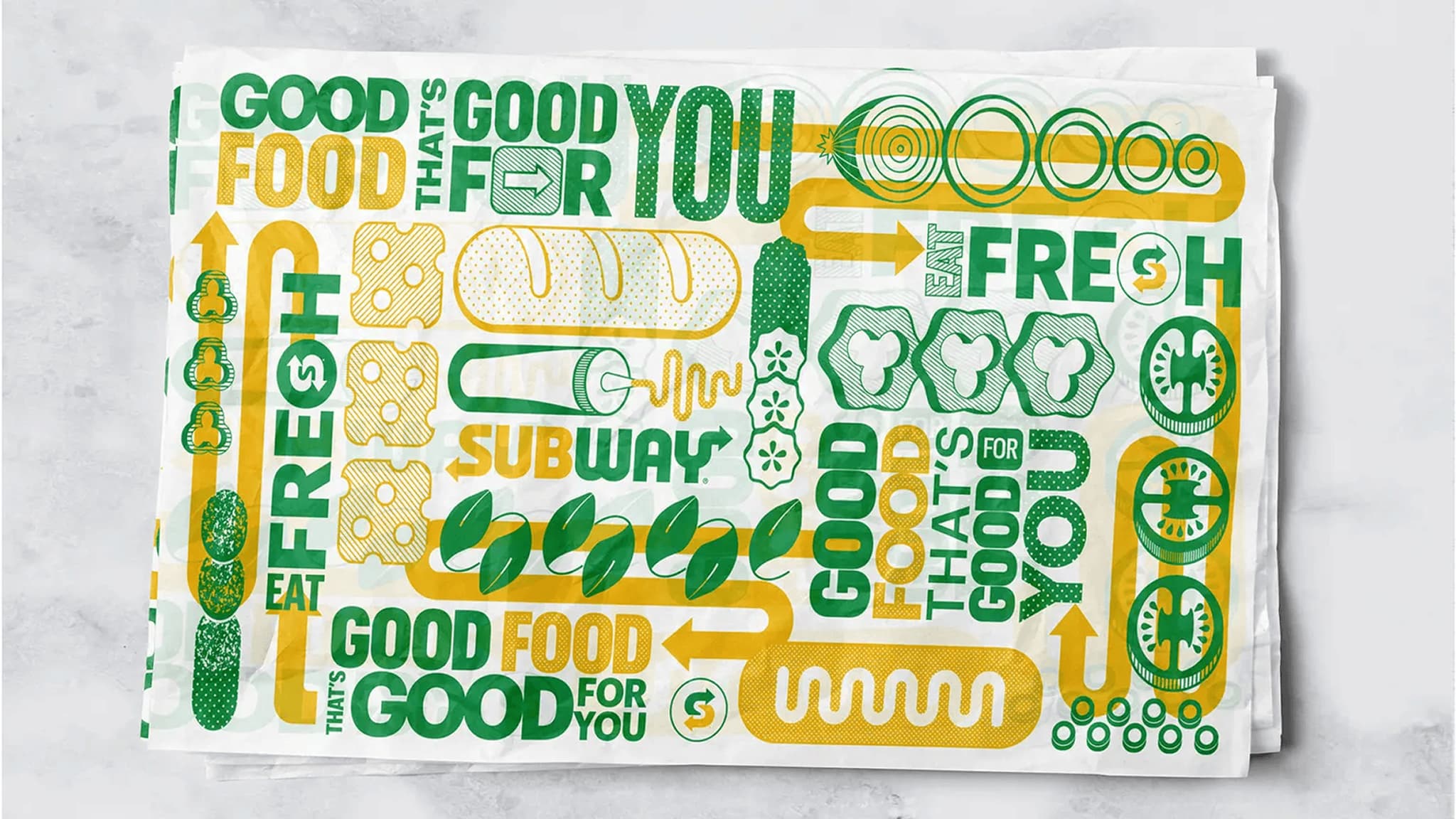
Descriptive taglines - What do you do?
Descriptive taglines are straightforward and to the point, providing a clear explanation of what the brand offers or represents. They answer the question "What do you do?" in a way that’s easy to grasp, making them especially effective for new brands or industries where clarity is key. These taglines strip away the fluff to ensure that the brand’s purpose is immediately understood.
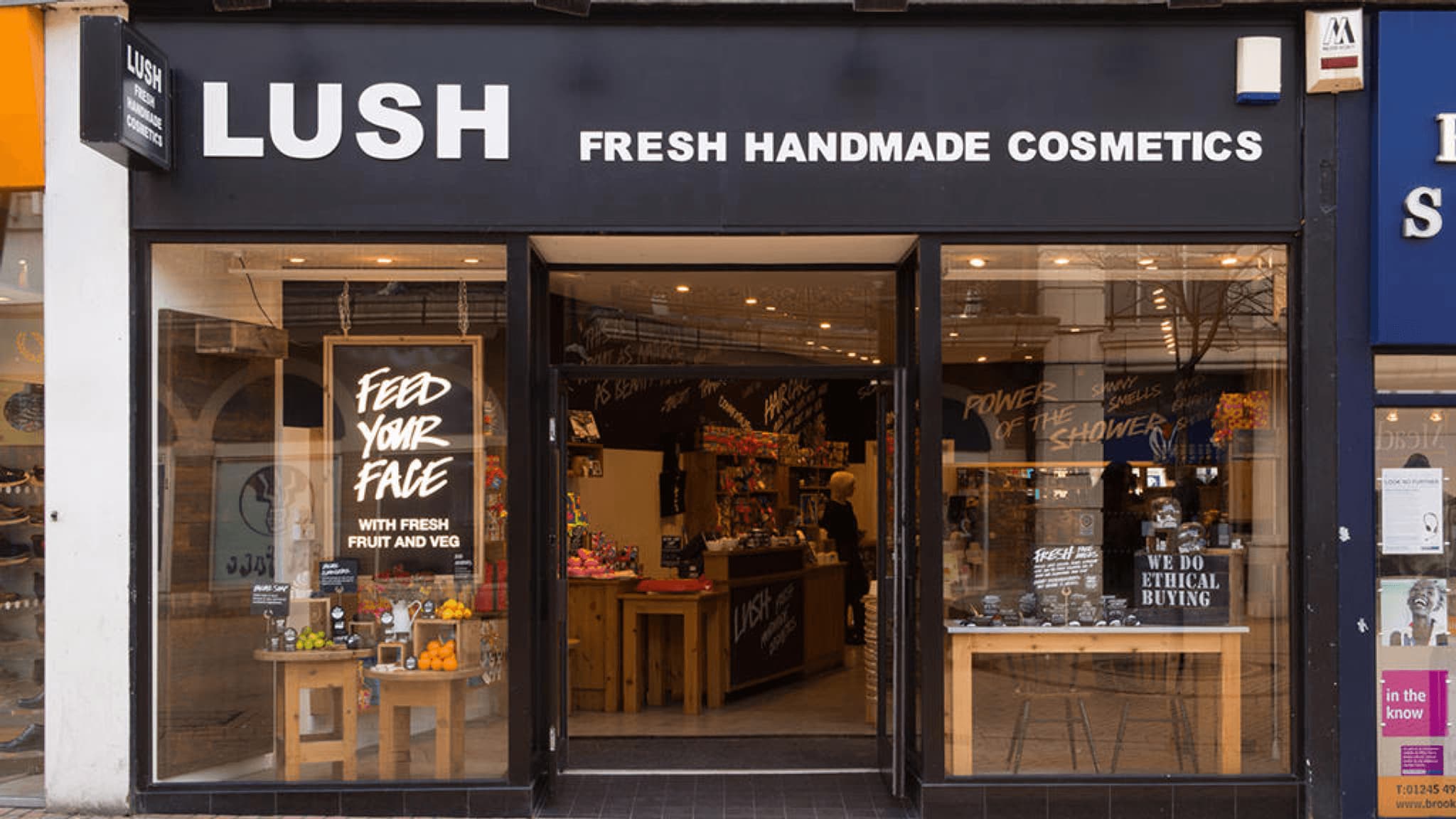
Superlative taglines - Who’s the best?
Superlative taglines are bold declarations of a brand’s superiority within its industry. These taglines answer the question "Who’s the best?" by confidently positioning the brand as the leader or benchmark. They create a strong impression and build consumer trust by asserting authority and excellence.
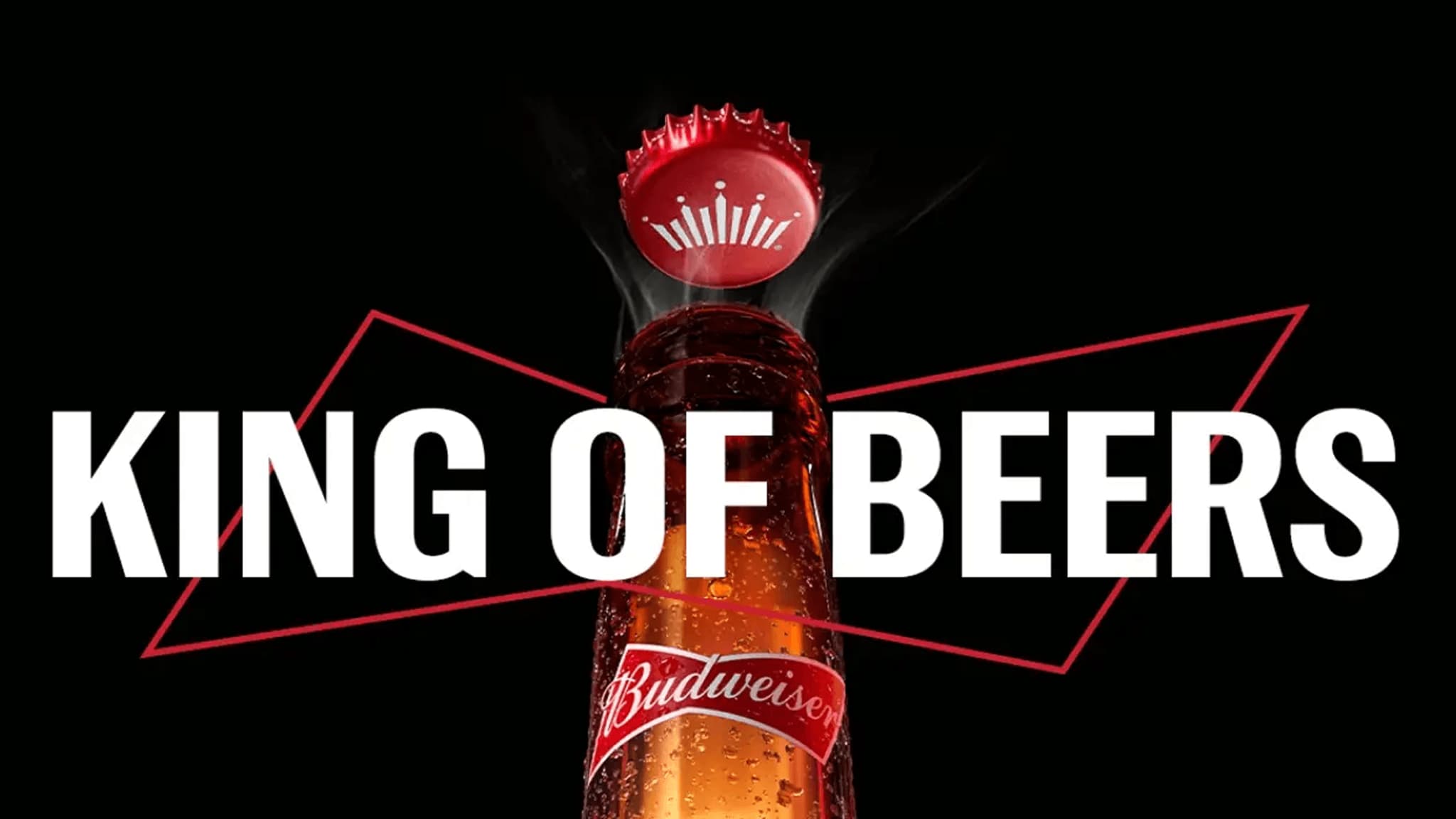
Provocative taglines - Wow, that’s interesting
Provocative taglines spark curiosity and inspire deeper engagement by posing questions or challenging norms. They aim to capture attention with their creativity and prompt consumers to pause and think. These taglines are not just statements but invitations to explore what makes the brand unique.
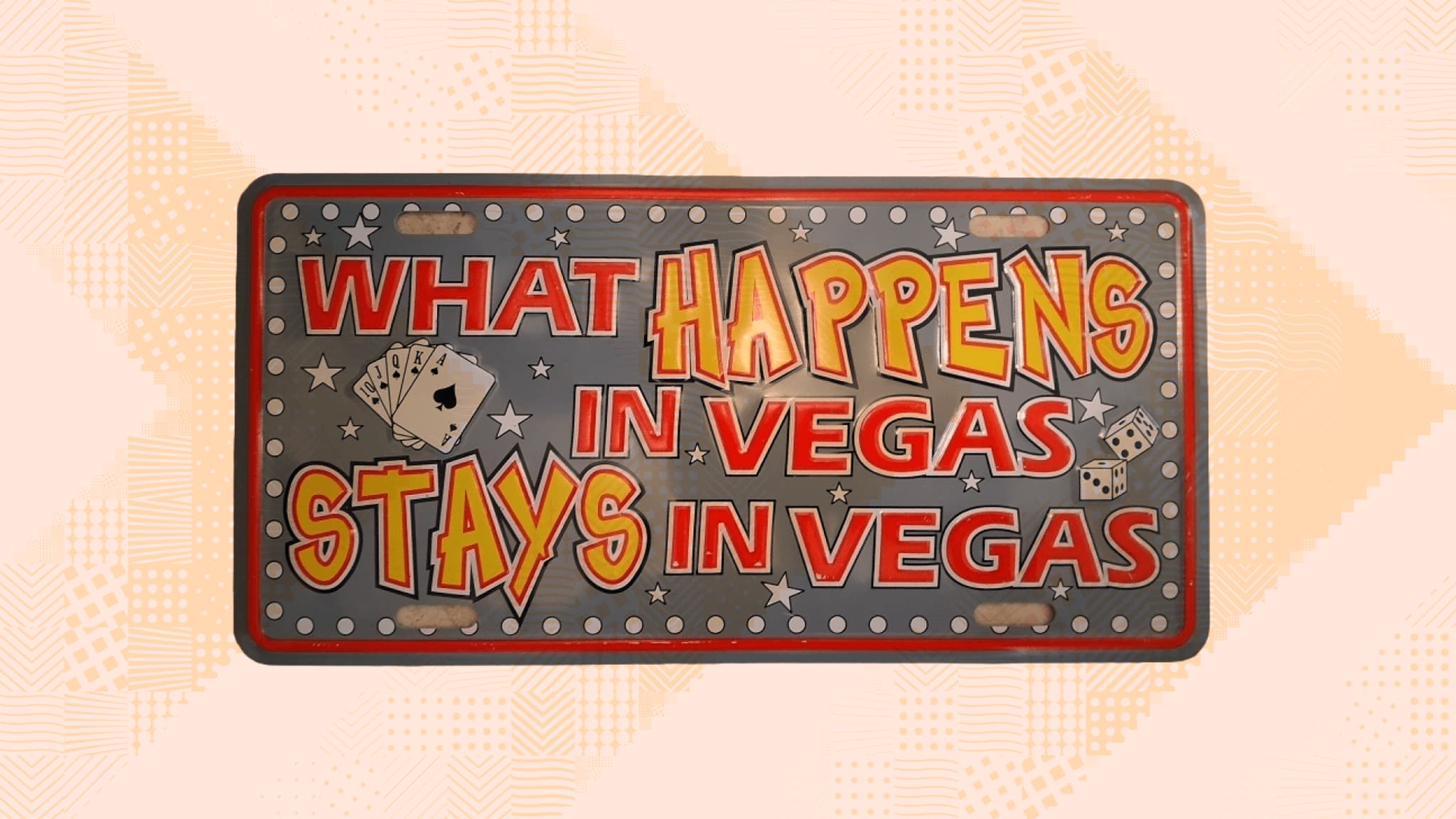
Take-action taglines - What should I do?
Take-action taglines motivate consumers to take a specific step or make a decision. Often starting with a strong verb, these taglines answer "What should I do?" by inspiring immediate engagement. They energize the audience and direct them toward a clear goal, whether it’s making a purchase, embracing a lifestyle, or trying something new.
In 1959, when the world was obsessed with bigger, flashier cars like Cadillacs, William Bernbach of Doyle Dane Bernbach (DDB) went against the grain with the “Think small” campaign for the Volkswagen Beetle - a small, unassuming car from Germany.
Instead of conforming to the “bigger is better” trend, the campaign boldly embraced the Beetle’s compact size, turning its perceived weakness into a strength. With a minimalist design, the car was placed against a stark white background, breaking away from the extravagant advertising of the era. Helmut Krone’s design and Julian Koenig’s relatable, honest copy created a message that was simple yet deeply impactful.
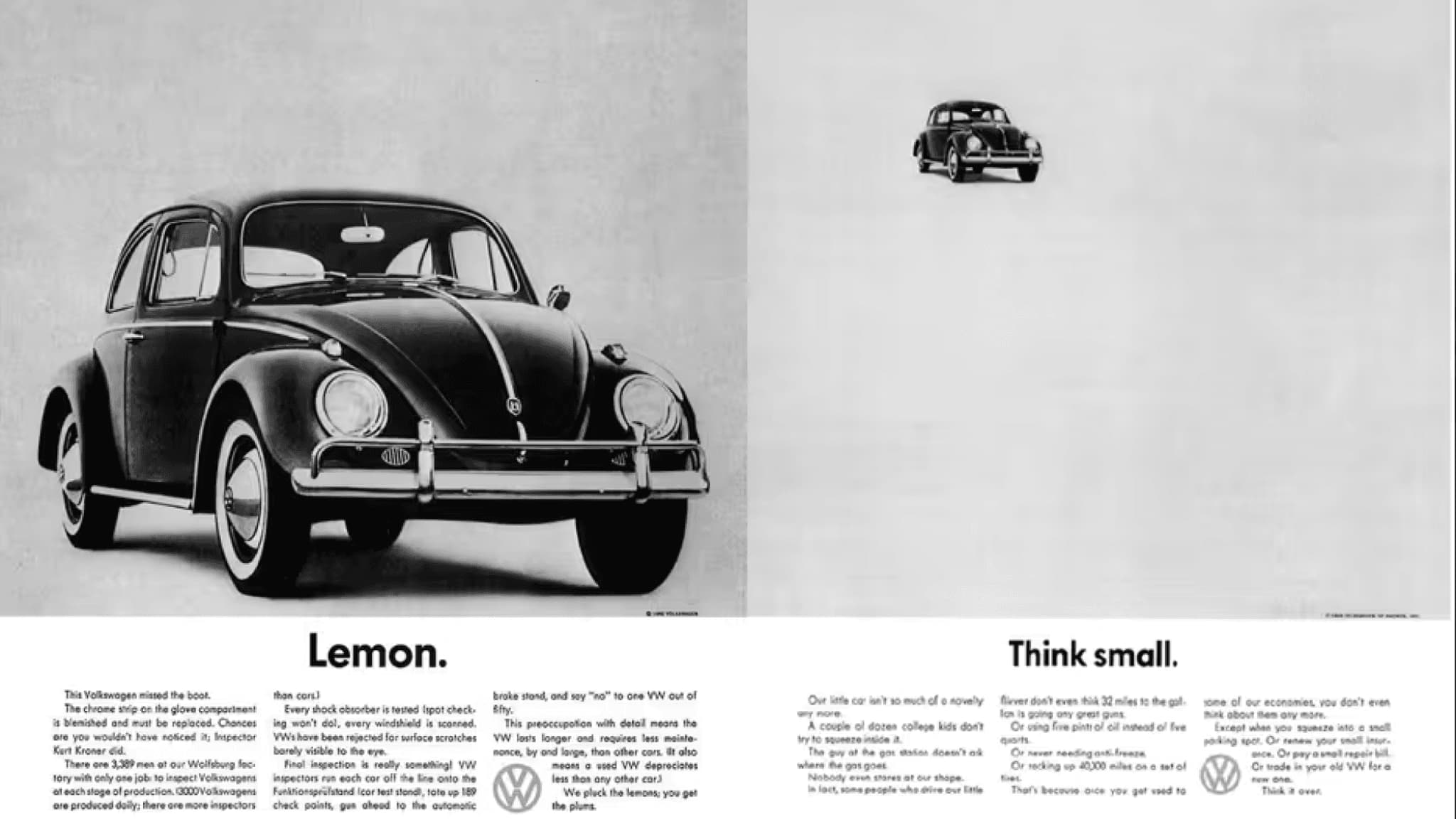
“Think small” didn’t just sell a car, it shifted cultural values, challenging the idea that more is always better. The campaign turned the Beetle into a global icon and redefined the advertising industry, proving that authenticity and daring to be different could resonate far beyond expectations.
3. What makes a great tagline?
A good tagline must fit the cultural context
Imagine hearing a brilliant joke, but it’s in a language or setting you don’t understand, it might fall flat, right? The same applies to taglines. Even the most creative tagline can feel out of place if it doesn’t align with the cultural context.
A truly great tagline must do more than capture the brand’s spirit; it needs to “blend in” seamlessly with the cultural nuances of its audience, much like a guest who respects the customs of their host. This is where transcreation comes into play - a process that goes beyond mere translation to reimagine the tagline in a way that retains the brand’s essence while resonating with local culture.
Take BMW as an example. Their original German tagline, “Freude am Fahren” (Joy in Driving), emphasizes the emotional thrill of driving.
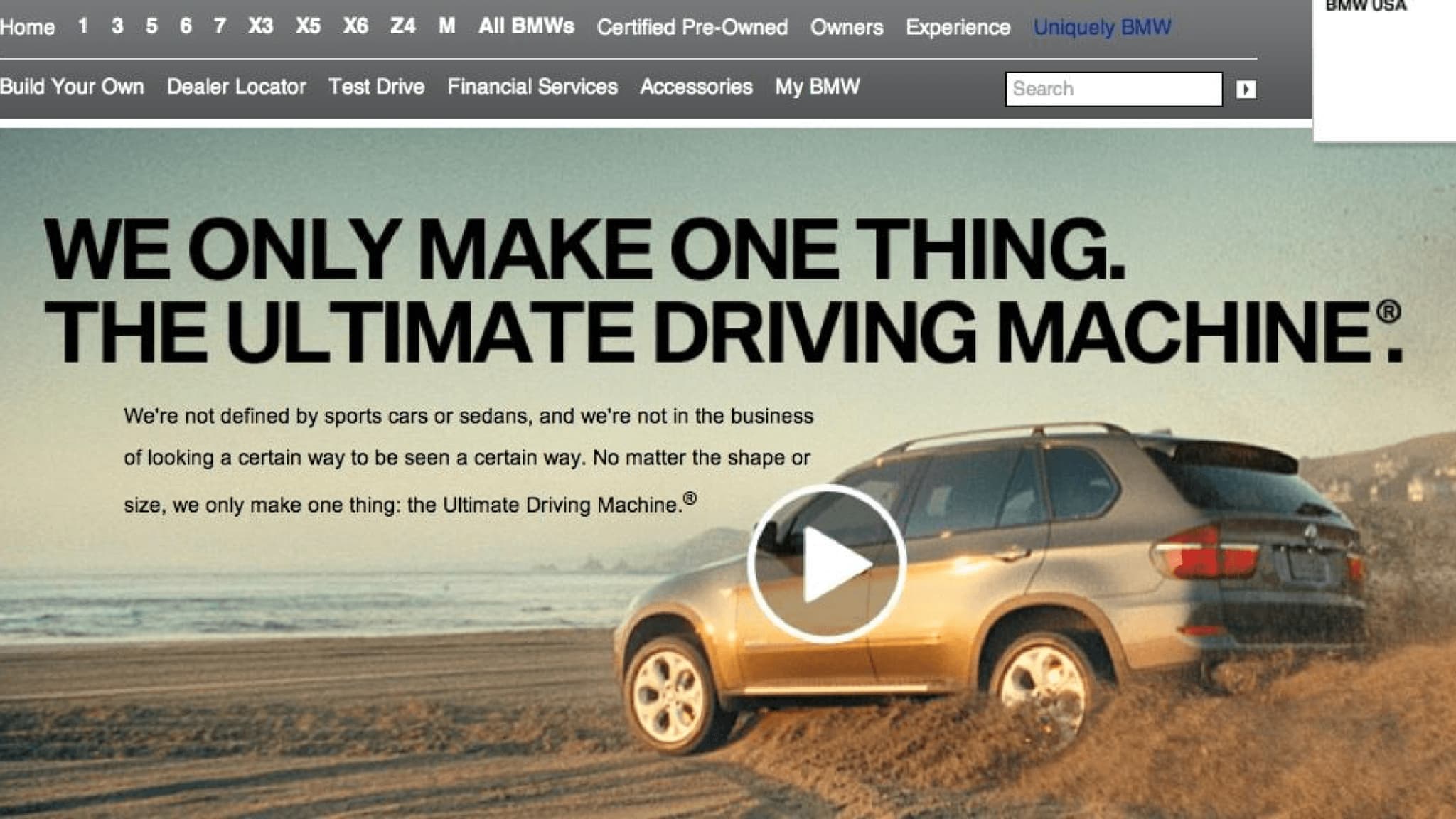
However, when entering the U.S. market, where power and prestige are highly valued, they adapted it to “The Ultimate Driving Machine.” This version preserves the brand’s core message and taps into the aspirations of American consumers, conveying confidence and superiority.
A culturally attuned tagline doesn’t just deliver the brand’s message; it makes the audience feel understood. This is the subtle difference between a tagline that’s “good in theory” and one that genuinely connects with people on a deeper level.
When words carry layers of meaning
Have you ever read a tagline that made you pause and think about its deeper meaning? The best taglines aren’t one-dimensional; they’re like a multi-layered painting, sparking curiosity and engaging the imagination.

The tagline “Vươn Cao Việt Nam” ("Rise Vietnam Higher") by Vinamilk is not merely a promotional tagline but carries profound layers of meaning, perfectly aligning with Vietnam's development context since 2017. During a period of significant national transformation, marked by progress in areas such as economy, education, and science, Vinamilk skillfully connected its brand mission with the shared aspirations of the nation.
On a practical level, this tagline embodies a commitment to delivering high-quality nutritional products that aim to enhance the health and well-being of the Vietnamese people. On a deeper level, it serves as a declaration of ambition to break boundaries and elevate Vietnamese standards to the global stage.
In the context of globalization, this tagline reflects Vinamilk's long-term vision and stirs a profound sense of national pride, creating a strong emotional bond with consumers.
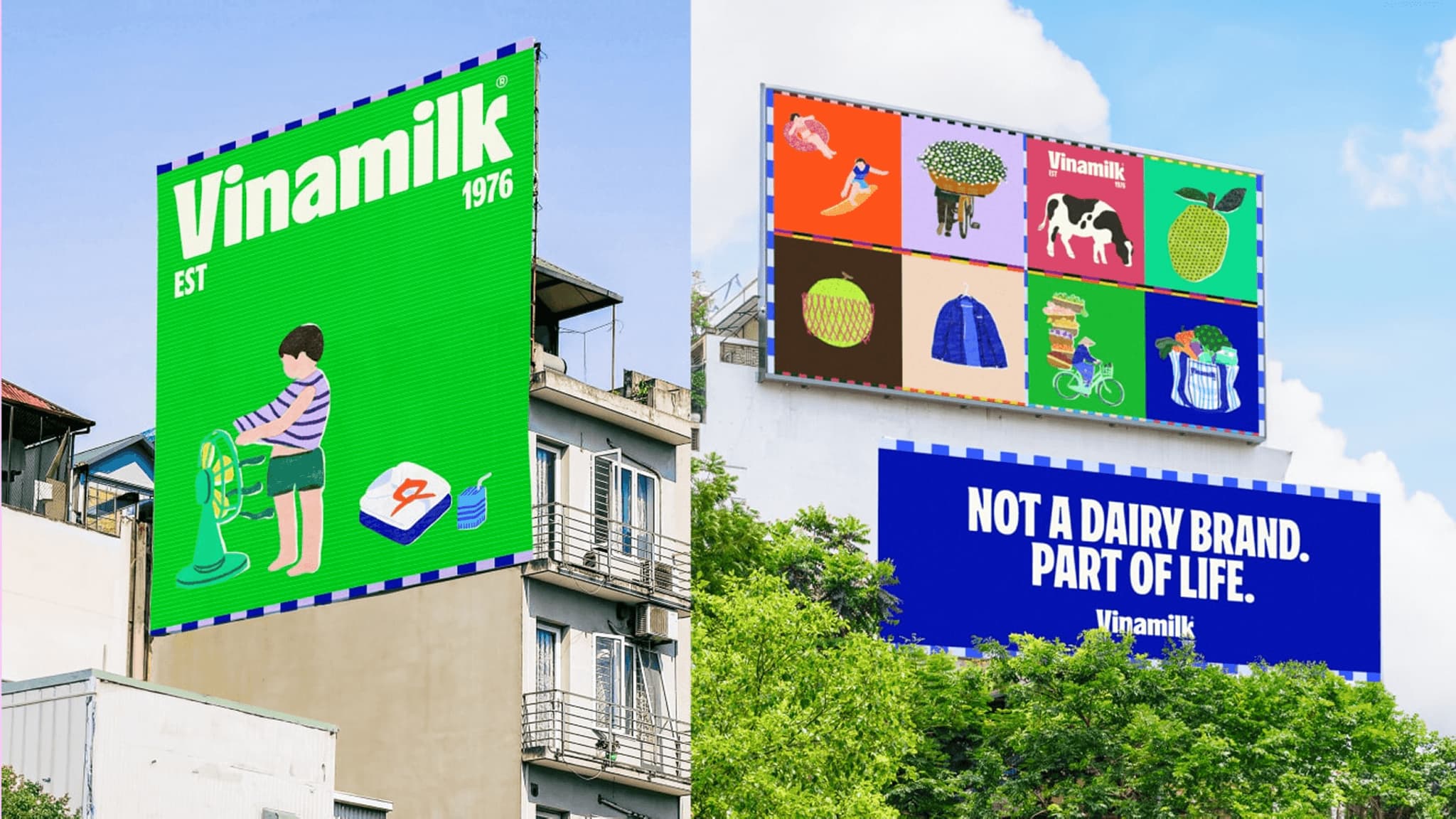
These layers of meaning invite consumers to interpret the message in their own way, creating a personal connection that goes beyond the brand itself. Research in advertising shows that taglines with multiple interpretations often engage audiences more deeply, as they enjoy uncovering the meanings, making the tagline more memorable and enriching the brand perception.
Emotional impact or clear message - Why not both?
Sometimes, it feels like you have to choose between a tagline that tugs at the heartstrings and one that delivers a crystal-clear message. But the truth is, a truly outstanding tagline doesn’t make you choose, it balances both to create an irresistible appeal.
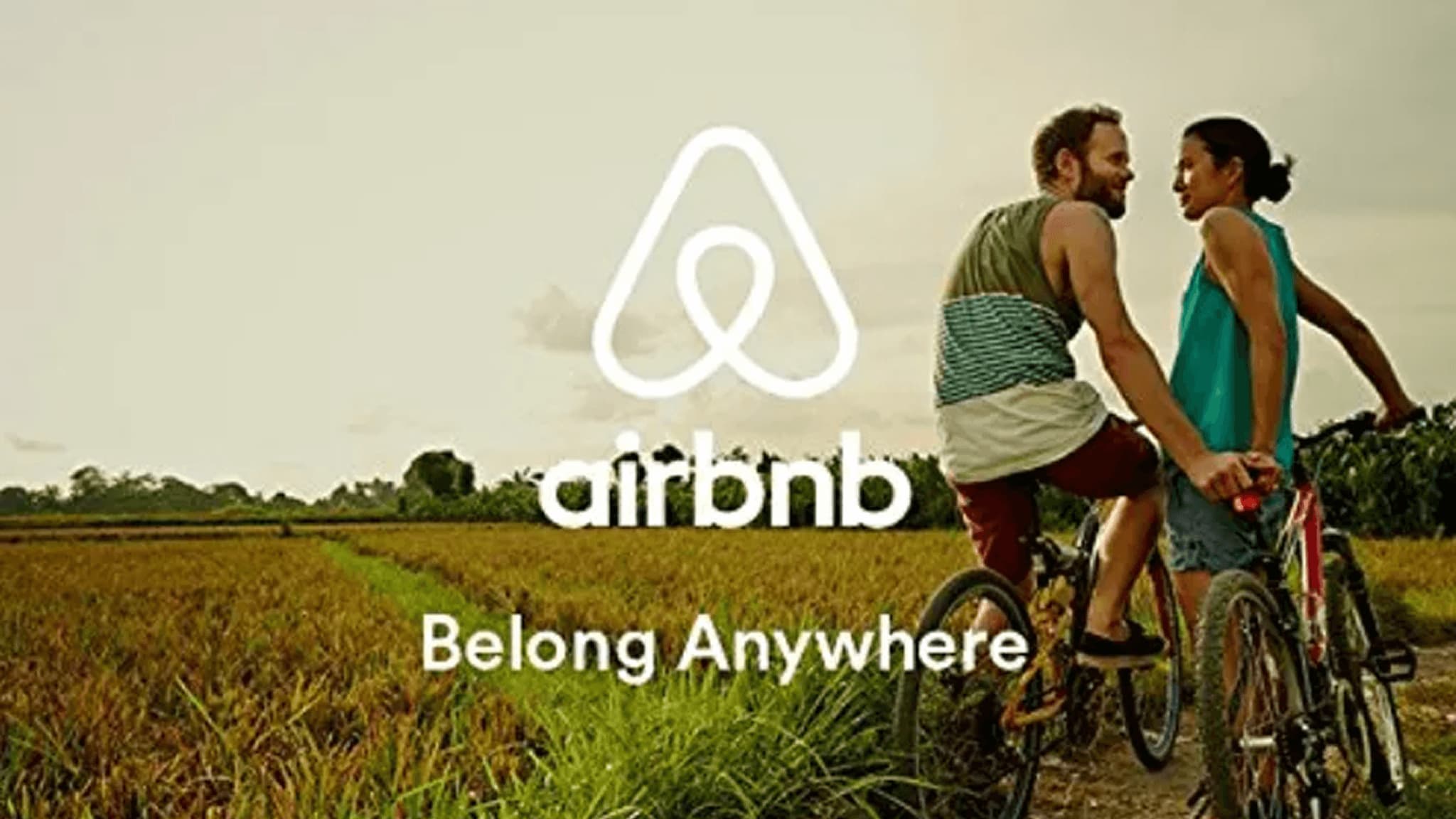
Take Airbnb’s “Belong Anywhere.” These two simple words strike a deep emotional chord, inviting users to feel a sense of connection and belonging, no matter where they travel. At the same time, it delivers a clear message: Airbnb is more than a place to stay, it’s a platform that turns any destination into a home.
Airbnb’s tagline doesn’t just sell accommodations; it sells the profound feeling of being welcomed and included, transforming a service into a universal human experience.
4. Does your brand need a tagline?
The question of whether your brand needs a tagline doesn’t have a definitive answer, it’s not a universal requirement, but it can be a powerful asset in the right circumstances. A tagline serves as a vital bridge in two specific scenarios:
- First, when a brand’s name alone doesn’t convey its core values or essence. Imagine a niche service or a product with a generic-sounding name; a tagline can step in to clarify, inspire, and add meaning.
- Second, for new brands trying to establish themselves in a competitive market, a well-crafted tagline becomes a shorthand introduction, quickly communicating the brand’s mission, personality, and aspirations.
That said, not every brand needs a tagline. In today’s multichannel world, brands have countless ways to tell their stories through social media, visual content, or experiential marketing. For some, a tagline might feel redundant. Take giants like Google or Facebook, whose names are so iconic that they don’t require an additional phrase to explain or enhance their identity.
Yet, taglines are far from outdated. As Stu Watson from Adweek points out, taglines still hold immense value, but they need to evolve to meet the expectations of modern audiences. Millennials and Gen Z, in particular, seek connection and authenticity. A tagline in today’s landscape must go beyond simplicity, it should be flexible, creative, and capable of fostering emotional resonance.
Ultimately, the answer to this question lies in understanding your brand’s unique needs. There’s no one-size-fits-all rule, but when used thoughtfully, a tagline can be the spark that deepens the connection between your brand and your audience.
5. Final thoughts
A tagline’s true value comes from its ability to bridge the gap between a brand’s identity and how it resonates with its audience. While not every brand needs one, a thoughtfully crafted tagline can become an enduring asset, offering clarity, sparking recognition, and creating emotional connections. In the end, a strong tagline doesn’t just capture attention, it leaves a lasting impression, standing as a testament to the values and vision of your brand.