The power of branding and storytelling for your business

The market may be crowded, and your product may be similar. But a compelling story could be the reason someone chooses you.
Have you ever wondered why fairy tales are told generation after generation?
Or why do global brands like Nike and Coca-Cola have such strong associations with inspirational stories? The answer lies in the magical power of storytelling, which is a highly effective method for developing a strong brand. In an era where emotions increasingly influence consumer behavior, strong branding combined with compelling storytelling will touch hearts and make a difference in a crowded marketplace.
1. What is branding?
Branding is the process of defining and developing the characteristics that a company wishes to convey to its customers. It is the most effective way for businesses to differentiate themselves from their competitors. Furthermore, branding serves as a bridge between target customers, establishing strong connections, trust, and loyalty. Branding is more than just a marketing strategy; it's the bedrock upon which a company's long-term success is built. While marketing tactics can change with trends and consumer preferences, creating a strong brand remains constant, guiding all aspects of a business.
2. What happens when you build a strong brand?
The advantages that branding provides can help businesses overcome obstacles and achieve long-term success. Specifically:
Creating differentiation
Differentiation is no longer sufficient in the saturated market of today, when products are getting more and more alike. Traditionally, companies concentrated on stressing distinctive product qualities to differentiate themselves from the competitors. However, consumers seek more than just practical advantages as products become increasingly similar. Here is when branding becomes crucial.

Tell a unique story that sets you apart from other brands.
Successful brands are now telling interesting stories rather than just emphasizing product differences. Writing a story that appeals to your target market will help you establish a closer emotional bond. Branding helps you present your product as a lifestyle, a value, or an experience, rather than just a solution to a problem. Loyalty and advocacy are motivated by this emotional link, which helps consumers to choose your brand over rivals even if the product characteristics are almost the same.
Developing trust and loyalty: When customers believe in the values that a company represents, they are more likely to buy more and recommend it to others.
Increasing product value
Businesses that have a strong brand in the high segment can often charge a higher price for their products or services. Consumers may be willing to pay more for a brand that they trust and love.

Phê La – a specialty tea brand that’s very familiar to Vietnamese consumers
Let’s take Phê La – a specialty tea brand that’s very familiar to Vietnamese consumers. Their products stand out for their authentic flavors and refined, handcrafted process, and the way the brand honors Vietnamese agriculture and celebrates local values.
What truly sets Phê La apart goes beyond ingredients or brewing techniques. It’s the brand’s consistent and inspiring story - one rooted in the land, in the farmers, and in the deep, original essence of Vietnam’s agricultural treasures. Phê La positions itself as a high-quality Vietnamese brand on a mission to awaken the hidden “signature notes” of each region it touches.
Brand story is expressed consistently across every touchpoint, all carefully curated to feel refined, professional, and yet emotionally familiar. Even though their prices are higher than many everyday brands, Phê La is still loved by many. Because customers aren’t just paying for a drink, they’re paying for trust, emotion, and a brand they feel proud to support.
Improving marketing performance
Branding is an integral part of a company's overall marketing strategy. Many businesses have had to continue operations by running advertisements. When their ads encounter problems such as negative reactions or difficulty reaching users, sales "plummet" immediately. Branding is the solution to this problem for businesses. Although it does not produce immediate results like advertising, building a brand tends to create sustainable values that are long-lasting.
3. The art of storytelling in branding
Storytelling is a type of content in content marketing. However, storytelling is more than just words; it is an art. Or, more precisely, you are telling your brand's story from an artistic standpoint. The "storyteller" must be able to use language, images, sounds, and even interactive experiences to convey a message, idea, or story to the listener or viewer. The goal of storytelling is not only to convey information but also to elicit emotions, empathy, and deep connections from the audience.
There are two main types of storytelling:
- Data storytelling is a method of storytelling that uses numbers or words to create an engaging storyline for the reader. This makes dry figures and boring statistics more interesting and compelling than before.
Spotify has successfully leveraged data storytelling to engage its users. Their end-of-year Spotify Wrapped campaign provides users with personalized data insights into their listening habits, transforming a simple thank-you email into a meaningful narrative that showcases the value Spotify brings to their lives.
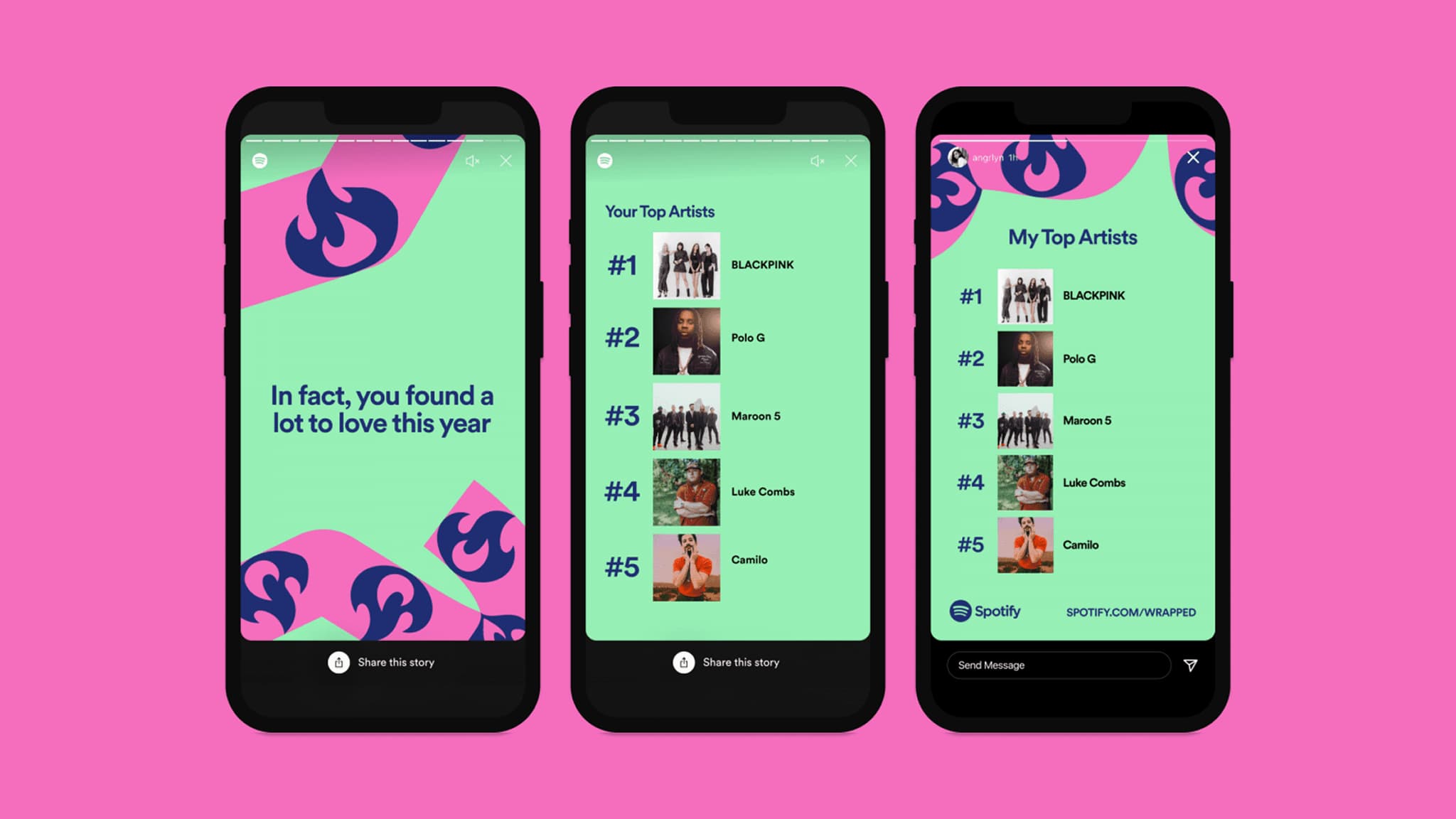
Each year, Spotify Wrapped features a new look and feel
- Visual storytelling is a method of telling stories using vivid and authentic images or videos. Businesses have shifted their approach to customers as the use of electronic devices has changed. Businesses' stories are also easily accessible via digital platforms, and the audience pays close attention and listens to them.
In 2024, Dove released a short film titled "The Code" as part of their Self-Esteem Project. The film follows a young woman of color as she asks AI to generate images of beautiful, confident women. Subsequently, the young woman is shown AI-generated images of white, blonde women who conform to narrow and unrealistic beauty standards. She then enters the same query but adds "according to Dove's Real Beauty ads". As a result, she is shown more diverse and realistic images of confident and beautiful women.
Through compelling visuals storytelling, Dove has successfully challenged beauty standards and promoted body positivity, inspiring women to embrace their unique beauty.
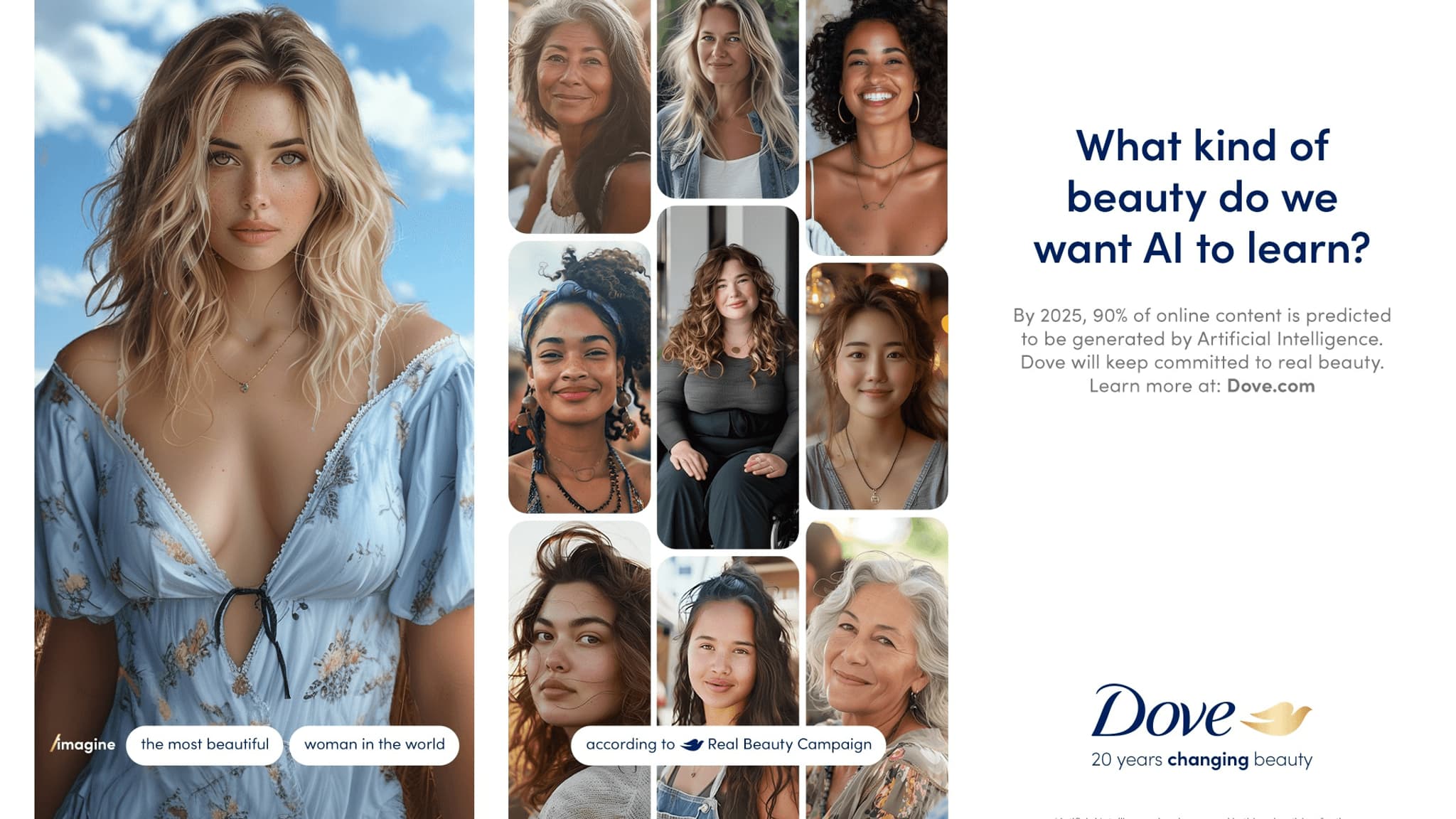
In 2024, Dove released a short film titled "The Code" as part of their Self-Esteem Project
4. Elements of a good story
Glue
The link between the message you want to communicate and the consumer. The messages you convey in the story must align with the customer's beliefs. To develop an appropriate approach, you must first thoroughly research the target customer group's habits, behaviors, psychology, and worldview.
Customers are often concerned about the value they receive and what will happen if they choose to use your product. This is an important factor that you must demonstrate in the story you tell.
As above example, Spotify Wrapped is a masterclass in data-driven storytelling. By tailoring a narrative around users' listening habits, Spotify has created a personalized message that resonates deeply. This storytelling approach has forged a strong emotional connection between the brand and its customers.
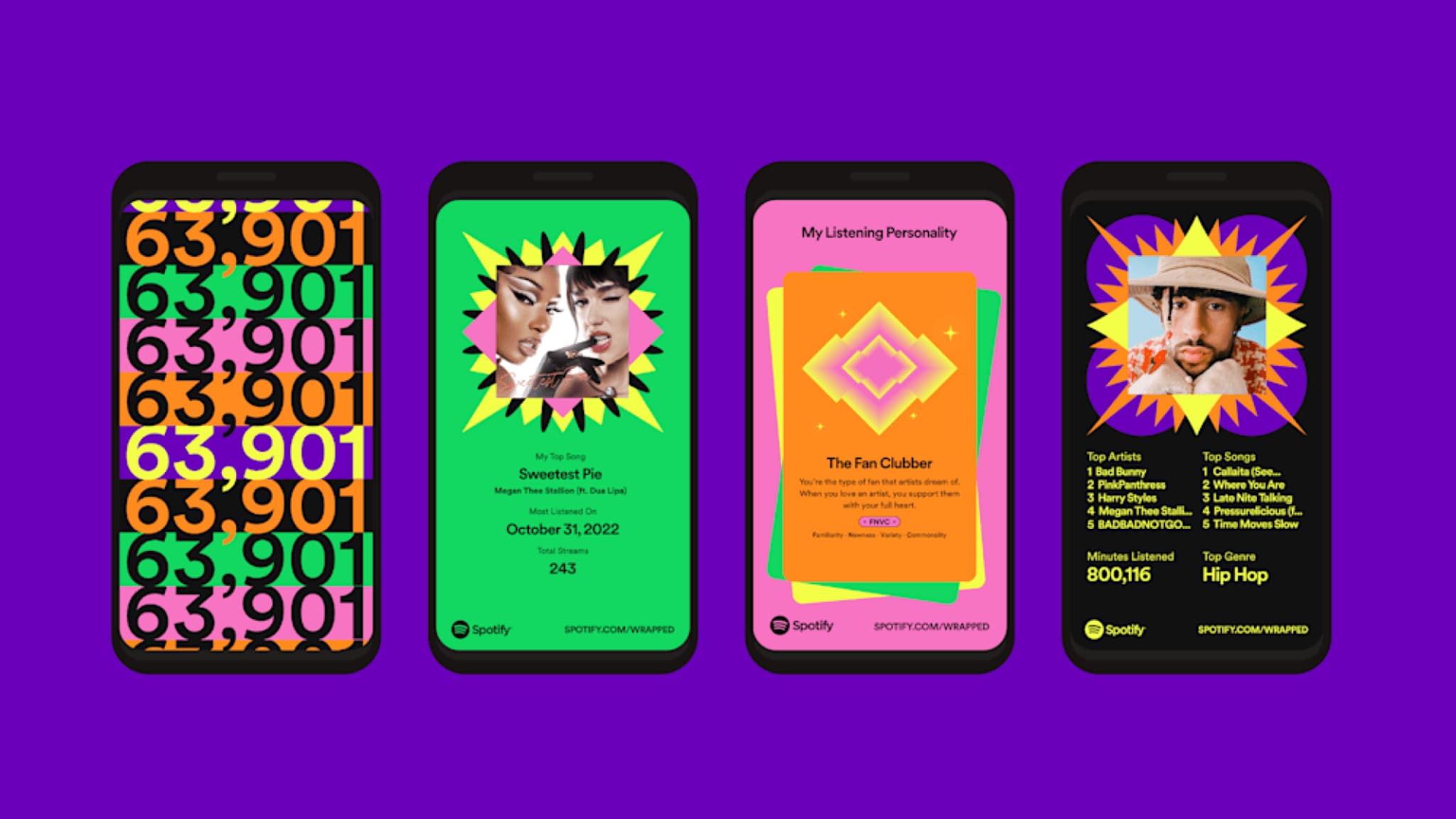
Spotify Wrapped is a masterclass in data-driven storytelling
Emotion
Stories that are impressive and memorable must strongly appeal to and touch the audience's emotions. Similar to the Glue principle, you must understand your customer's mindset and what motivates them the most. From there, create a storytelling script that evokes strong emotions in their hearts and minds. On a volunteer trip to Argentina in 2006, Blake Mycoskie (founder of TOMS) observed poor children working barefoot, which put them at risk of injury and infection.
From there, the "One for One" campaign was born, with the promise that for every pair of shoes sold, the company would donate another pair to impoverished children in Argentina. The campaign quickly gained traction, resulting in a "wave of sharing love and community bonding" around the world. In the first year, 10,000 pairs of shoes were sold, which means that 10,000 pairs of poor children's feet were nurtured and protected. Because of the campaign's success, TOMS is regarded as a "pioneer" in developing a brand image associated with charitable activities.
Authenticity
Your story can be imaginative, colorful, and full of fresh perspectives. However, one thing to keep in mind is authenticity. Customers will be difficult to persuade if the values you convey are ambiguous and lacking in sincerity and authenticity. The beauty of storytelling is revealed when it reflects the true quality of the products and services you offer.
Target
Everyone has different perspectives, and the biggest mistake is attempting to create a story for everyone. When using the storytelling method, businesses must first clearly identify their target customer segment. This ensures that the message delivered is highly effective.
5. The power of storytelling
- Creating emotional connections: When customers relate to a brand's story, they feel closer and more trusting.
- Building credibility: Authentic and touching stories help customers trust the brand.
- Stimulating action: A compelling story can entice customers to learn more about the product or service and make a purchase.
- Creating a community: A shared story fosters a sense of community among people who share the brand's interests and values. Instead of simply advertising products, businesses will share meaningful stories that elicit emotions from consumers.
Consider Dove's "Real Beauty" campaign in 2003, which successfully changed public perception of female beauty by sharing real-life stories of ordinary women. Dove has successfully encouraged and built a community of women who understand how to love and accept themselves.
6. Steps for effective storytelling
Storytelling must include enough elements such as characters, plot, core values, and delivery channels. When you meet these four criteria, you're taking the first step toward creating a brand story. Then, answer the questions below to tell your story:
- What is the value or message you hope to convey?
Don't make the story clichéd or without a destination. Always aim for the message that your company wants to convey. Because even videos or scripts that are considered humorous and "meaningless" serve the purpose of "entertainment"!
- Who is your target customer?
Why can't you create a brand story that appeals to all customer segments?
As previously stated, each individual's perceptions will differ. We cannot equate or combine "individual emotions" with "community emotions."
- How do you want your customers to respond to your story?
What emotional aspects are you attempting to elicit from customers: joy, sadness, or empathy? This will influence how you write and choose the storyline.
- Which channel do you want your story to reach?
With the advancement of digital technology, many businesses now prefer to use visual storytelling. Posting images, videos, postcards, and other media will help your story spread and reach more people faster.
- What action are you asking customers to take?
We believe that every story has meaning. Telling a brand story serves not only to spread the company's vision and mission, but also to promote growth and business development. Skillfully incorporate the action you want customers to take, such as downloading apps, using services, or making purchases, into the conclusion. This will significantly improve conversion rates and brand ROI (Return on Investment).
7. Case study: Chống Lừa Đảo's brand story
Consider the Chống Lừa Đảo project, a real-world example of CDA's use of storytelling for branding. HieuPC founded this non-profit initiative, which aims to protect Vietnamese users from malicious content and online scams, and it recently rebranded with a new website.
Core values:
The design goal was to convey a positive connotation when discussing cybersecurity, reflecting trustworthiness and assurance, while emphasizing the brand message "Safety at Your Fingertips."

Brand application of the 'Chống lừa đảo' project
Implementation:
To increase the value and positioning of "ChongLuaDao," CDA kept the core identity elements while incorporating visual language to emphasize the technological aspect. Furthermore, the team redistributed the distinctly Vietnamese motifs to better align with the campaign's core values.
A stylized star, resembling the Vietnamese flag, was used to surround the letter "a." This curve represents user protection and embodies the Vietnamese spirit of "safety, peace of mind, and security." This choice seamlessly combines technologically integrated design with cultural depth.

Digital experience of the 'Chống lừa đảo' project
CDA's focus extends beyond simply adding identity elements to logos and marketing materials. Our approach is based on "Co-Creation," in which we work with businesses at all stages of development, from ideation and concept to final product. The brand story is told from a variety of perspectives, including messages, tone of voice, and visual identity. This approach fosters long-term value and impact for businesses.
8. Conclusion
In a world saturated with marketing messages, storytelling is essential for differentiation. Emotionally resonant and authentic narratives hold the key to branding's future. The art of storytelling is more than just connecting words; it's about seamlessly blending a company's values with its customers' beliefs, perspectives, and emotions.
Collective Design Agency (CDA) believes that every brand has a unique story and voice that distinguishes it from the competition. While we do not claim to be the best, our team has undeniable talent. Our greatest skill is in turning theory into action and dreams into reality. This has been demonstrated by countless projects we've completed with our clients. Let us help you tell your story!