Healthcare branding is a trust system, not a logo

Summary
Healthcare branding is more than a logo or a reassuring campaign. It is the system of identity, language, service behavior, and digital experience that helps patients, carers, and professionals navigate care with greater clarity and confidence.
Healthcare branding is the design of confidence
Healthcare branding is often treated as a visual exercise, but the real challenge is trust. People need to recognize the organization, understand the next step, and feel that the experience will respect their uncertainty and dignity.
This article explains how identity, language, service behavior, digital access, and recovery work together to make a healthcare brand credible.
Healthcare branding is a trust system, not a logo
Healthcare is full of moments when people have less certainty, less time, and less emotional distance than usual. They may be choosing a provider, trying to understand a diagnosis, supporting someone else, or deciding whether to ask for help. In those moments, a brand is not judged by its logo alone. It is judged by how confidently the system lets people move.
Healthcare branding is the coordinated way an organization makes its promise recognizable across identity, language, service, space, and digital experience. The visual identity matters because it helps people know where they are. It matters more when the experience confirms what that identity asks people to believe.
Our view at CDA is simple: trust is built by reducing avoidable uncertainty without pretending that care is simple.
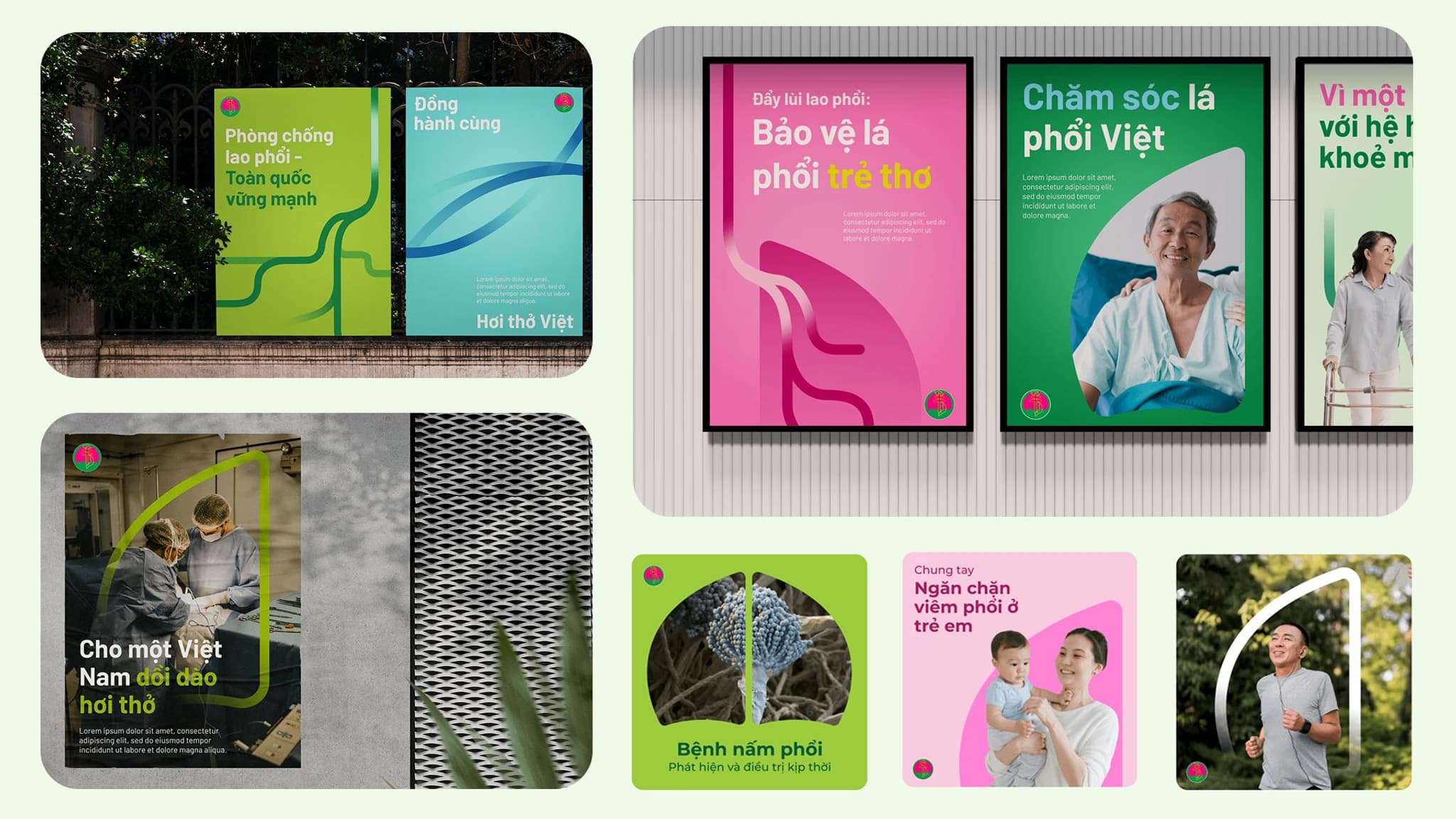
A healthcare brand has more than one audience
A patient is not the only person who experiences a healthcare brand. A carer, clinician, receptionist, administrator, partner, and referring professional may all encounter the organization in the same journey. Each person needs something different, and the system has to remain coherent across those differences.
This makes healthcare branding a coordination problem. A promise that feels reassuring to a patient may sound patronizing to a clinician. A service designed for an expert may leave a family member lost. A message aimed at acquisition may create expectations the care team cannot sustain.
Start by mapping the roles around the decision. Who is anxious? Who has authority? Who has knowledge? Who must carry the next step? The brand becomes more useful when it respects the whole network rather than speaking to an imaginary average person.
Design for uncertainty without exploiting it
Healthcare decisions often involve incomplete information. People may not know which service they need, what a term means, how urgent a situation is, or what will happen after they make contact. A brand cannot remove all uncertainty, and it should not use fear to turn uncertainty into demand.
It can make the next step more understandable. Clear language, honest expectations, visible contact routes, and a calm explanation of what is known and unknown help people act with more agency.
This is a practical ethical boundary. Reassurance should come from clarity and capability, not from overpromising. A healthcare brand earns confidence when it says what it can do, what it cannot do, and how it will help someone find the right path.
Trust is a pattern of signals, not a single impression
People read a healthcare organization through several signals at once:
- Competence: does the organization explain its expertise in a way people can understand?
- Care: does the experience acknowledge the person rather than treating them as a case?
- Consistency: do the website, environment, staff interactions, and follow-up feel connected?
- Control: does the person know what they can choose, ask, or do next?
- Accountability: what happens when the organization is wrong, late, or difficult to reach?
These signals do not need identical expression. They need a shared logic. A warm tone cannot compensate for confusing instructions. A sophisticated identity cannot compensate for a service that leaves people guessing.
Language is a healthcare experience
Words shape what people think is possible. Technical language can signal expertise, but unexplained terms can also create distance. Euphemisms can feel gentle to the organization and confusing to the person who needs a direct answer. A call to action can invite help or quietly imply blame.
Define language principles that help teams make better choices. Explain terms at the point of need. Use concrete verbs. Tell people what will happen next. Make uncertainty visible without turning every message into a disclaimer. Where different people need different levels of detail, create a path between the simple explanation and the deeper information.
Accessible language is not a simplification of expertise. It is a way of respecting the reader’s attention and right to understand.

A visual identity should help people know where they are
In healthcare, identity often has an orientation job. People need to recognize the organization, distinguish one service from another, and find the right point of contact without studying a brand manual. Color, type, imagery, signage, and layout all contribute to that effort.
Distinctiveness still matters. A healthcare organization should not disappear into generic blue, stock photography, and interchangeable reassurance. But distinctiveness is useful only when it supports recognition and comprehension. The visual system should make the organization feel like itself while keeping critical information easy to find.
Design the identity as a system of priorities. What must be recognized quickly? What can carry warmth? What should recede so a decision is not obscured by decoration?
The patient journey is where the promise is tested
People rarely experience a healthcare brand in one place. They search, compare, call, book, travel, wait, ask questions, receive information, return, and sometimes make a complaint. The journey has gaps between teams and channels. Those gaps are where a polished promise can lose credibility.
Map the moments that create uncertainty. Does the website use the same service names as the phone team? Does the confirmation explain what to bring? Can someone find the information again after the appointment? Does the follow-up acknowledge the person’s actual situation?
The brand team cannot solve every operational constraint, but it can make the gaps visible and give the organization a shared language for improving them.
Trust is revealed when the experience goes wrong
No healthcare system is frictionless. Appointments change, information is missed, people wait, and instructions can be misunderstood. The question is not whether the organization will ever fail. It is how the experience responds when it does.
Recovery is part of brand behavior. A useful response acknowledges the impact, explains what happened without hiding behind process, makes the next step clear, and gives someone a route to escalate when needed. The visual identity cannot perform that work, but it can support a culture that understands the importance of being clear and accountable.
Do not write recovery language as an afterthought. The moments that feel least convenient are often the moments when people decide whether the organization deserves their trust.
The inside of the organization is part of the brand
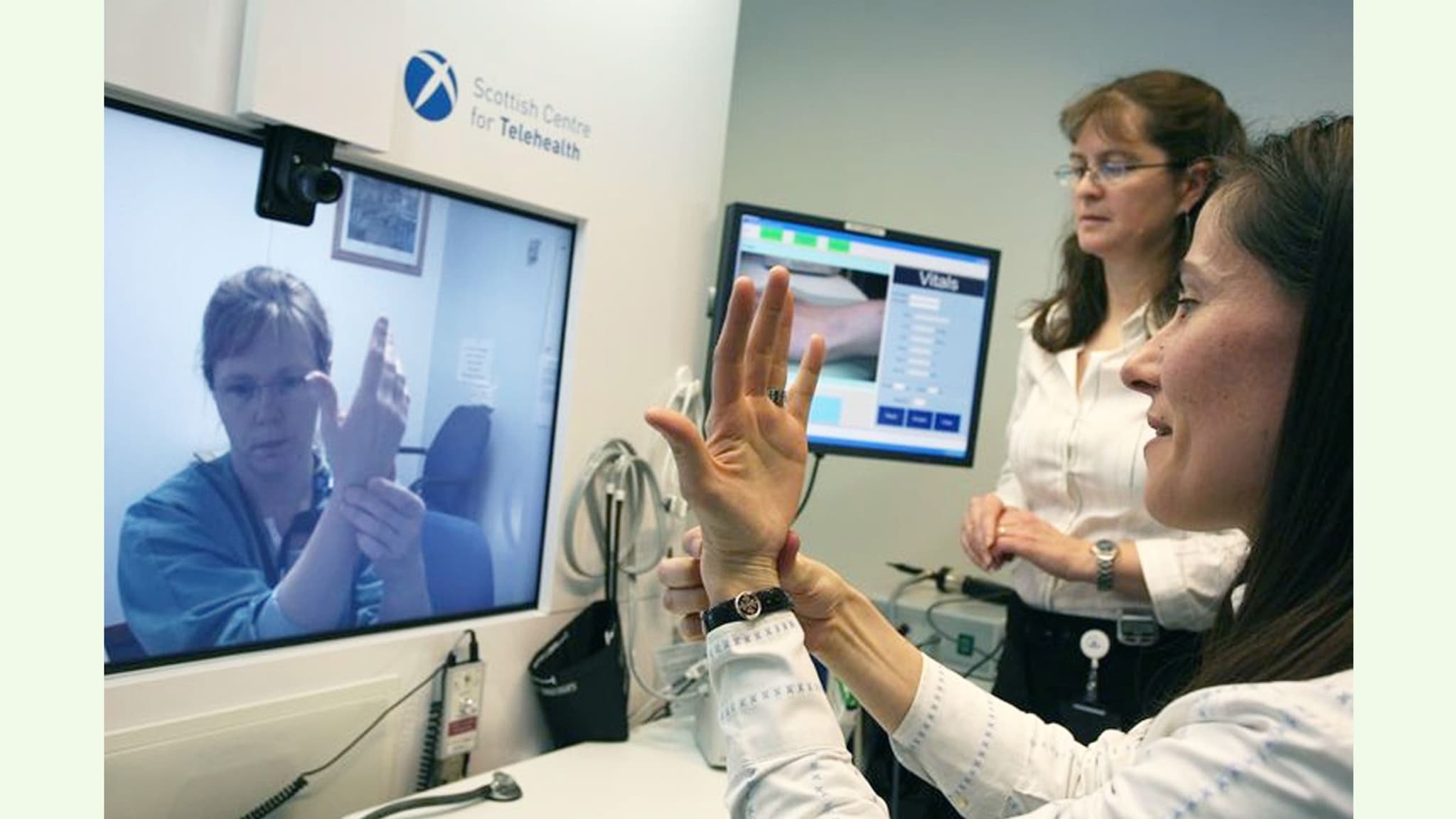
A healthcare brand cannot be delivered by communications alone. People inside the organization need to know what the promise requires from them and where they have authority to act. Otherwise, the external story becomes a standard they are asked to perform without the conditions to support it.
Translate the brand into practical behaviors. What does respect look like when the queue is long? How should a team explain a limitation? Which information should be shared across a handoff? What does “human” mean when privacy, safety, and clinical precision must come first?
The answers should be specific enough to guide work and open enough to respect professional judgment. Brand behavior is not a script for care. It is a shared understanding of what the organization will protect.
Digital access is part of the care experience
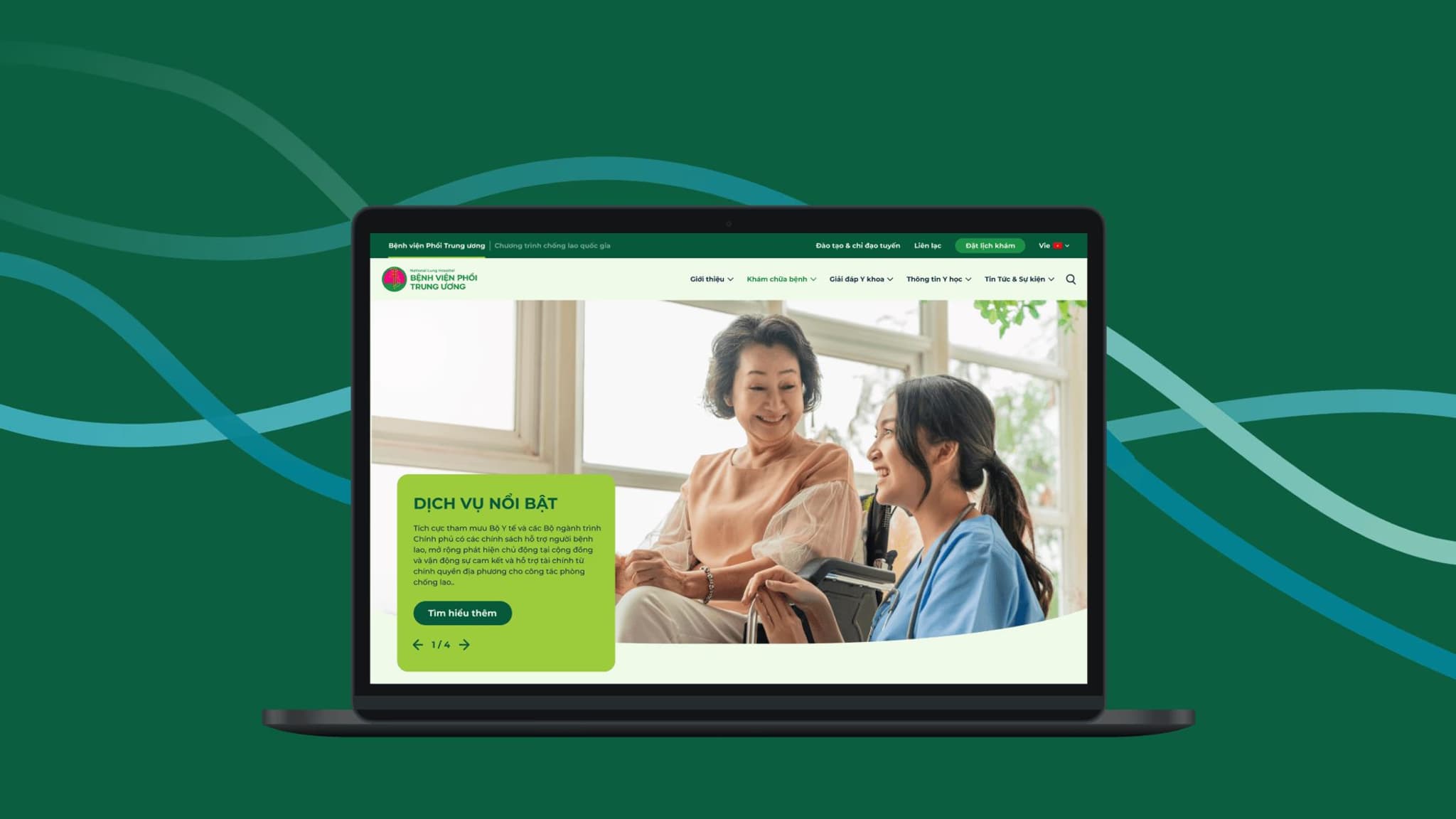
A website or portal may be the first place someone meets a healthcare organization. It is also where people often arrive with a question they need to answer quickly. Navigation, search, form design, performance, accessibility, and content hierarchy are therefore part of the brand promise.
Design for the person’s task, not the organization’s structure. Someone may not know the name of the department they need. They may search using everyday language. They may be on a phone, sharing a device, or reading under stress. The interface should help them move from uncertainty to an appropriate next step.
Trust grows when digital convenience does not conceal important conditions. Tell people what a service includes, what it does not include, and what will happen after they submit a request.

Avoid the visual language of borrowed reassurance
Healthcare brands often borrow the same signals: smiling faces, soft gradients, abstract circles, and phrases about care that could belong to any organization. Familiarity can be comforting, but sameness makes it difficult to understand what is genuinely different.
Distinctiveness should come from a point of view about the people and situation the organization serves. What does it believe should be easier? What kind of relationship does it want to create? What evidence can it provide? Let those answers shape the language and visual decisions.
A quieter identity can be more trustworthy than a louder one when it is specific, consistent, and supported by the experience.

Run a diagnosis across the full system
A healthcare brand audit should look beyond recognition. Review the journey from the person’s point of view and collect evidence from different roles.
- Search for the service using the language a patient or carer would use.
- Compare the promise on the website with the explanation given by the contact team.
- Read instructions for clarity, sequence, and missing expectations.
- Observe how the identity helps or hinders orientation in physical and digital spaces.
- Listen to complaints and questions as evidence of where the system is unclear.
The goal is not to produce a score. It is to locate the moments where the organization asks people to do too much interpretive work and decide which changes would make the relationship more humane.
Make the brand promise operational
Write the promise in a form that teams can use. It should name the benefit or relationship the organization wants to create, but it should also imply a responsibility. If people should feel informed, the organization must make information available at the right time. If people should feel respected, the system must protect their attention and dignity under pressure.
Then identify the owners of the proof. Which team can make the experience more consistent? Which team has to change a process? Which decision needs leadership support? A promise without an owner is an aspiration waiting to become a complaint.
Measure what the system makes possible
Healthcare branding should not be reduced to awareness or preference alone. Look for signals that show whether people can understand and navigate the relationship.
- Can people find the right service without knowing internal terminology?
- Do they understand what will happen next?
- Can staff explain the promise in their own words?
- Do handoffs preserve the same expectations?
- Can the organization identify and repair repeated points of confusion?
These measures do not claim that brand design causes a clinical outcome. They show whether the experience is becoming clearer, more coherent, and more accountable.
Trust needs maintenance, not a one-time launch
Healthcare organizations change. Services expand, teams rotate, technology shifts, and regulation shapes what can be said. A brand system needs enough discipline to remain recognizable and enough openness to learn from the people using it.
Review the promise against real journeys regularly. Keep the parts that help people orient and decide. Change the parts that have become generic, inaccurate, or difficult to deliver. The goal is not to preserve a launch moment. It is to preserve a relationship.
The brand is the next step people can take
Healthcare branding matters because care begins before the appointment and continues after the interaction. A person has to know where to go, what to expect, what to ask, and what to do when the path changes.
A logo can help someone recognize the door. A coherent brand system can help them feel able to open it. That system is built through identity, language, service behavior, digital access, and the willingness to make uncertainty more honest and navigable.
Start there. Not with a more reassuring claim, but with a more trustworthy experience.