A tagline is a compact promise, not a decoration
Summary
A tagline is more than a memorable line. It gives a brand a compact point of view, creates an expectation, and helps the right idea survive the noise. CDA explains how to write, test, and judge a tagline against the proof a business can provide.
A tagline gives the brand a memorable point of view
A tagline compresses a larger brand idea into a line people can recognize and remember. Its value is not cleverness alone. It is the relationship between the promise in the words and the evidence in the business.
This article explains how taglines differ from campaign slogans, how to build one from strategy, and how to test whether it deserves to last.
A tagline is a compact promise, not a decoration
A tagline is a short line that helps a brand hold a point of view in memory. It can become familiar, repeatable, and emotionally resonant. But brevity is not its value on its own. A short sentence still makes a promise about what the brand means and what people should notice.
That is why a tagline sits between strategy and language. It compresses a larger idea without pretending to contain the whole brand. The best taglines open a relationship. They give people a way to recognize the brand’s perspective before they know every detail.
Our view at CDA is simple: a tagline is useful only when the business can carry the promise it makes.
A tagline is not just any slogan
Slogan and tagline are often used interchangeably, but the distinction helps. A slogan may support a campaign, product, or moment. A tagline usually works at the level of the brand and is expected to last longer.
Neither term guarantees quality. A campaign line can be more powerful than a weak brand tagline. The useful question is what the line is responsible for. Is it helping people remember one offer for a season, or is it expressing the idea the organization wants to carry across time and contexts?
Define the role before judging the words.
Start with the idea before the sentence
Do not begin by asking for ten clever lines. Begin with the idea the tagline should make memorable. What change does the brand help create? What point of view distinguishes it? What should people feel is possible because this organization exists?
Write the idea in plain language first. If the team cannot agree on the meaning, a poetic line will only hide the disagreement. Once the idea is clear, language can compress it without losing its direction.

Every tagline creates an expectation
A tagline tells people what kind of relationship they might have with the brand. It may promise confidence, possibility, simplicity, care, challenge, or progress. The promise can be subtle, but it still shapes the experience people expect to find.
Test the line against ordinary decisions. What would a customer notice if the brand were living it? What would a team have to do differently? Where might the promise become difficult under pressure?
A tagline is not a replacement for proof. It is a lens through which proof will be interpreted.
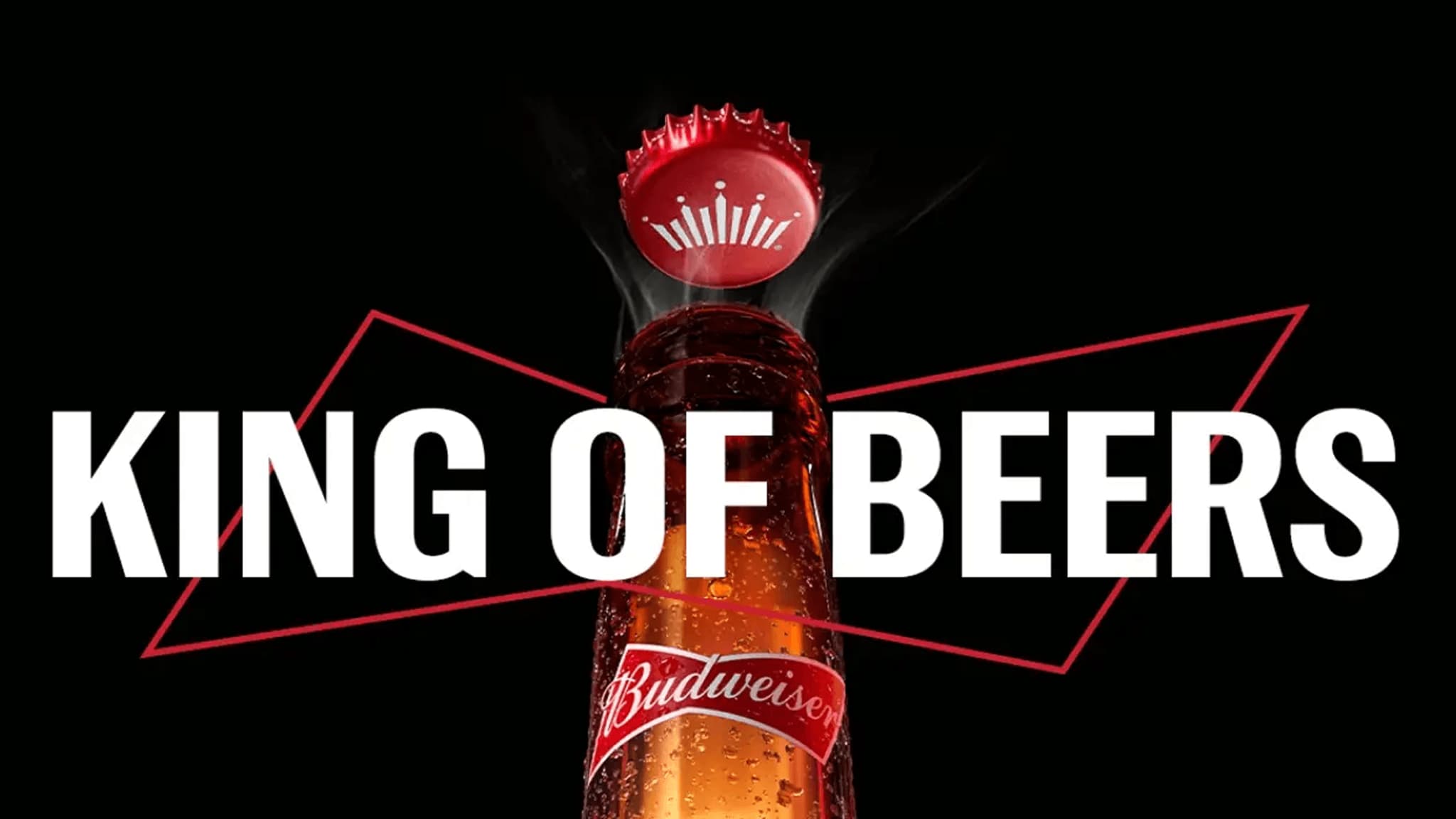
Memorability is not the same as meaning
A line can be catchy and still be empty. It can use rhythm, contrast, or surprise to stay in the mind without giving the audience a useful idea to hold.
Memory matters because it gives the brand a chance to be recognized later. Meaning matters because it gives the recognition a reason. Look for both. Ask whether people could explain what the line is saying in their own words and whether that explanation connects to the organization’s real work.
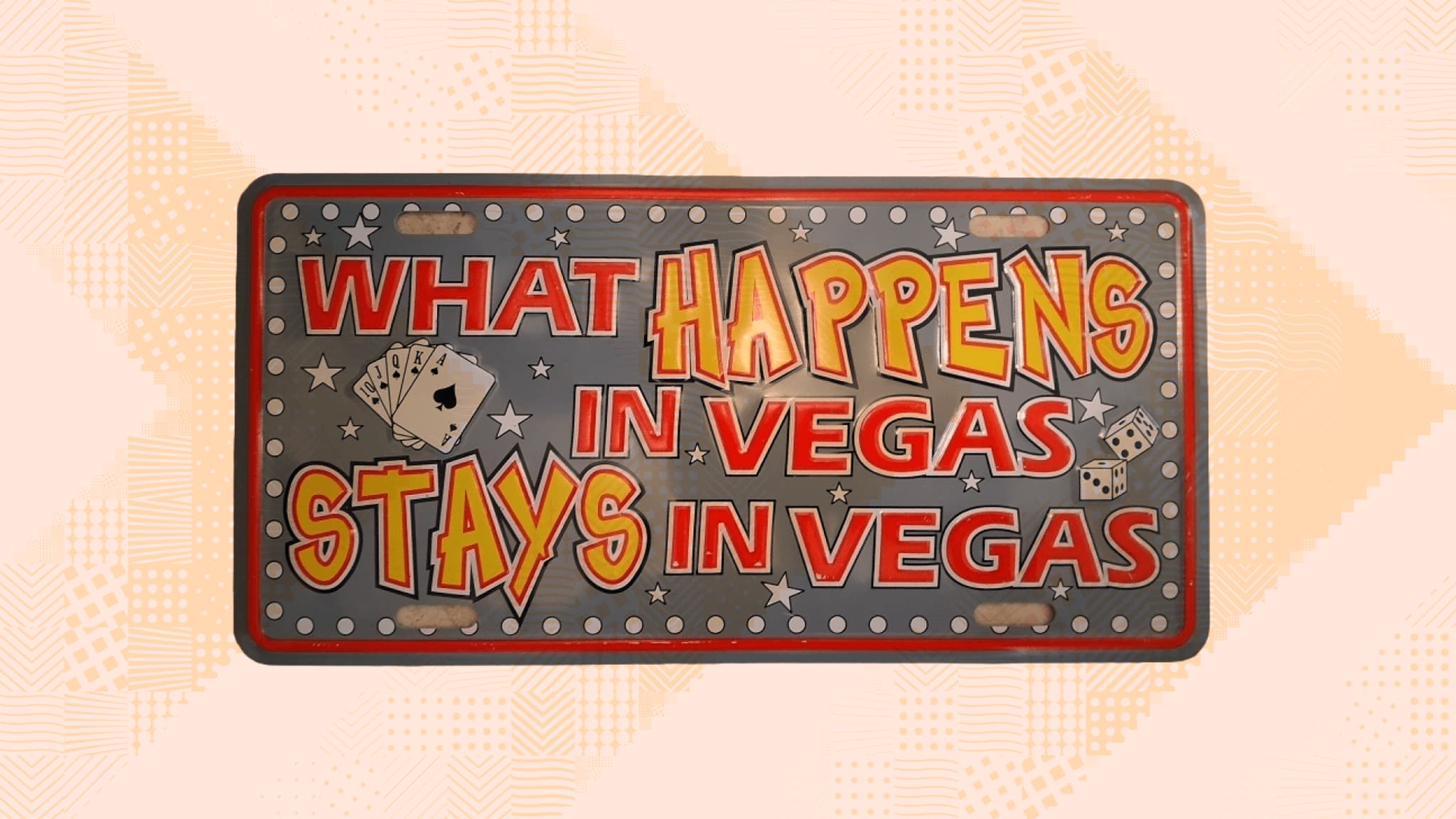
A tagline has to work beside the brand
Read the line with the identity, message, offer, and experience around it. Does it sharpen the point of view or add another layer of interpretation? Does it help the audience understand the organization, or does it ask the logo to carry an idea the rest of the brand does not support?
Test it in a first encounter, a deeper conversation, and a moment when something goes wrong. A line that works only in a campaign image has a different role from one that can guide the brand over time.
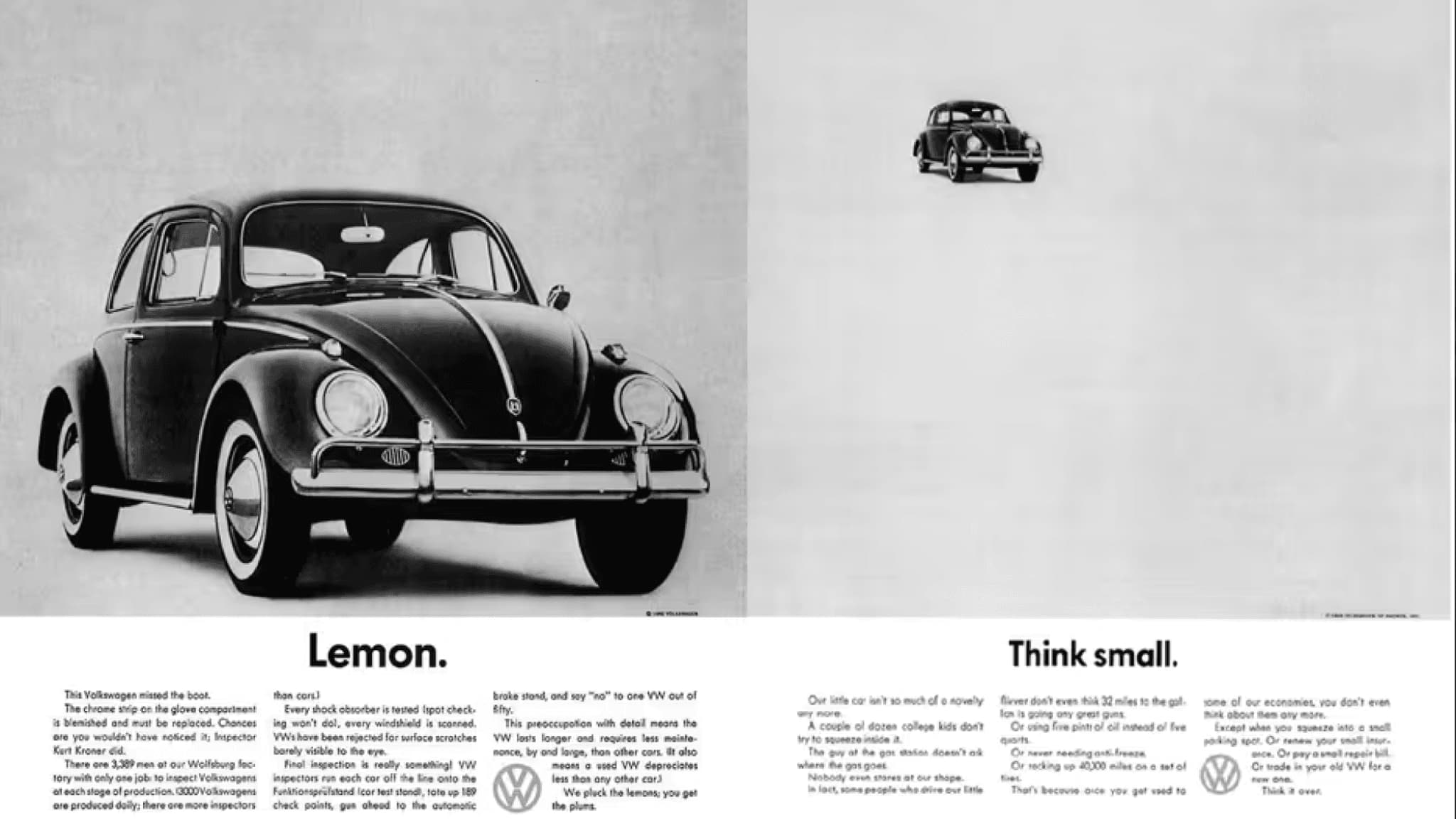
Write for what people need to remember
The audience is not trying to memorize a brand exercise. They are trying to make sense of a choice, a category, or an experience. A tagline becomes more useful when it gives them a meaningful piece of that sense-making.
Ask what they are likely to forget. Is the category confusing? Does the brand have a distinctive promise that disappears in the details? Is the organization trying to change an assumption? The line should help the right idea survive the noise.
A tagline should sit inside a message system
A tagline cannot answer every question. Give it a role alongside the key message, positioning, proof points, and calls to action. The tagline creates the memorable point of view. The message explains the value. The proof earns trust. The experience makes the promise real.
This relationship prevents a common mistake: asking a short line to carry strategy, description, differentiation, and instruction at the same time.
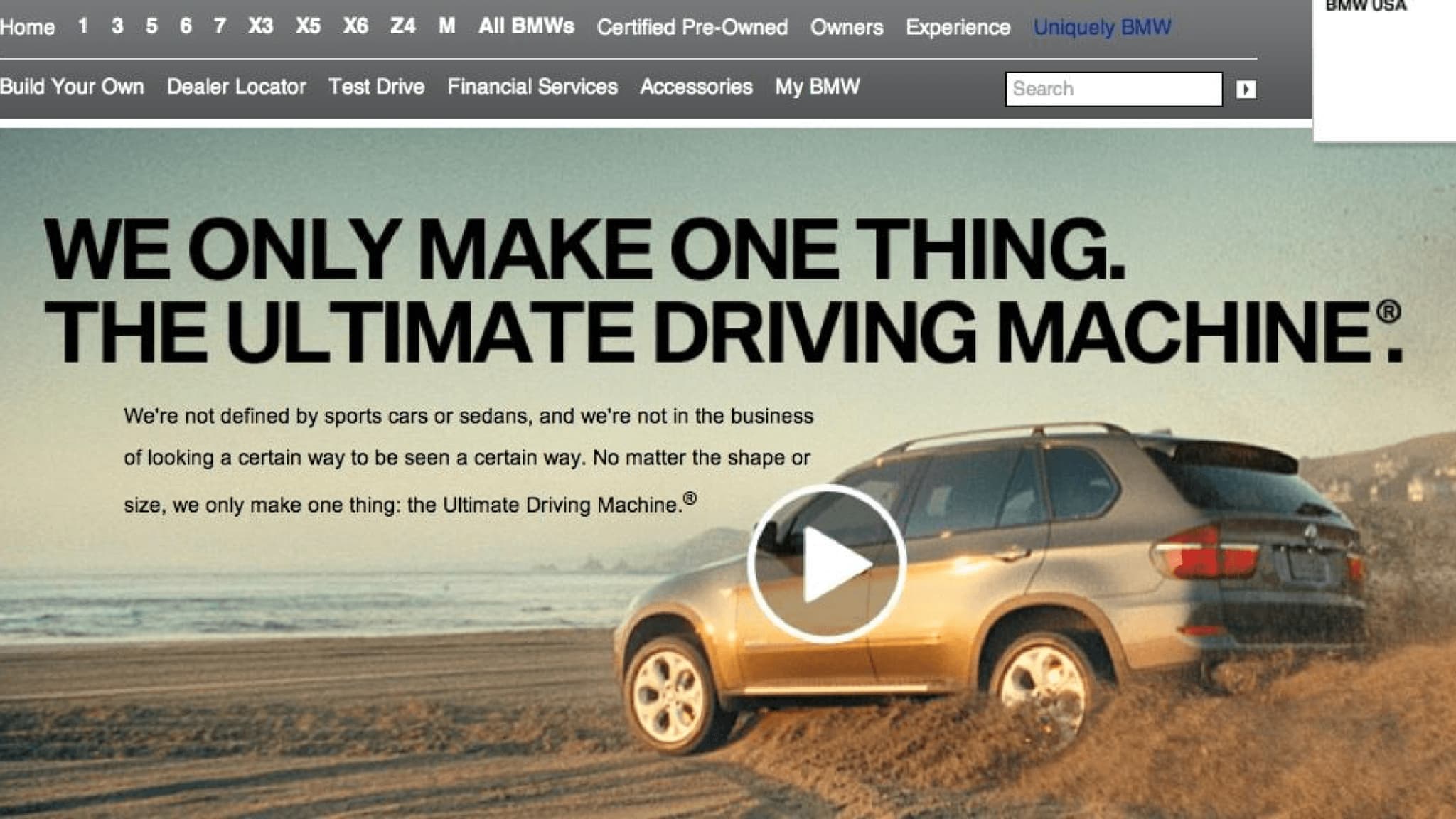
Test the line against the decisions it creates
Take a candidate tagline and ask:
- What does it make people expect?
- Can the organization prove that expectation?
- Is the point of view distinctive or merely positive?
- Does it remain useful beyond one campaign or product?
- Can people understand it without a long explanation?
A line that needs the strategy deck to become meaningful is not finished. A line that becomes clearer when the brand context is present may be doing exactly the right amount of work.
Do not write the line your category already owns
Taglines become interchangeable when they repeat the language of aspiration without making a choice. Better, smarter, connected, human, future-ready, and meaningful can describe many brands. They create a positive mood but not a point of view.
Look for the belief underneath the adjective. What does “human” mean in the way the organization behaves? What kind of future is the brand making possible? Specificity is often more memorable than praise.

A tagline should be provable in ordinary work
Proof does not have to be a dramatic story. It can be a small, repeated behavior that confirms the line. A clear explanation. A useful handoff. A product that removes a known frustration. A decision that protects the customer even when it is inconvenient.
List the proof a person could encounter in the first week of the relationship. If the list is empty, the tagline may be expressing an ambition rather than a current brand truth. That is not automatically wrong, but the language should make the ambition honest.
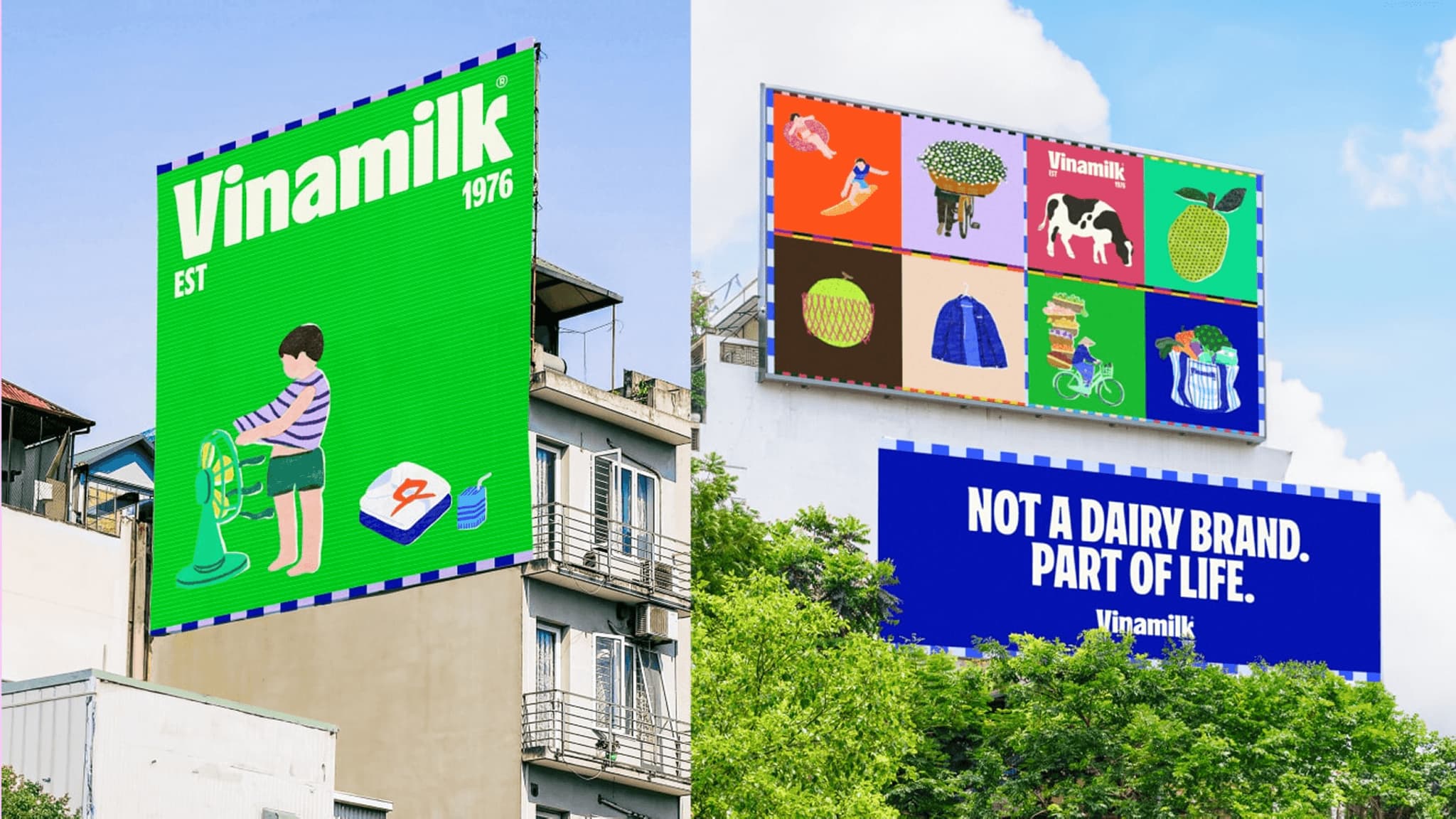
Give the tagline room to live
A brand tagline needs enough flexibility to survive changes in campaigns, channels, products, and audiences. Avoid making it depend on a temporary cultural reference or a single executional trick unless that short life is the point.
Durability does not mean refusing to update the line. It means giving the brand a stable idea that can be expressed with fresh evidence. The wording can evolve when it no longer makes the idea clear.
A tagline should sound like a belief, not a category claim
The most useful lines feel speakable. People can say them without performing a brand voice, and they can connect the line to something they have experienced.
Test the language aloud. Remove words that exist only to sound impressive. Keep the tension, warmth, or clarity that makes the idea feel like a real position. A brand can be polished without becoming distant.

The final test is whether the line makes the brand more accountable
A good tagline does not only make a brand easier to remember. It makes the promise easier to recognize when the organization keeps it and easier to question when it does not.
Choose a line that gives the brand a clear center, then build the proof around it. The words will be stronger because they are attached to a responsibility the business is prepared to carry.
A tagline earns its place through use
Do not judge a tagline only at the moment of approval. Watch how people use it, what they think it means, and whether it helps the organization make its story more coherent.
If the line becomes a useful shorthand for a real point of view, it has earned its place. If it remains a decorative sentence, no amount of repetition will make it strategic.
Keep the promise clearer than the cleverness
Taglines are small pieces of language with a large temptation attached: the temptation to show how clever the writer is. Resist it. The audience does not need a performance. It needs a meaningful idea that can stay with them.
Make the line memorable, but make the promise clearer. Then let the brand prove it.