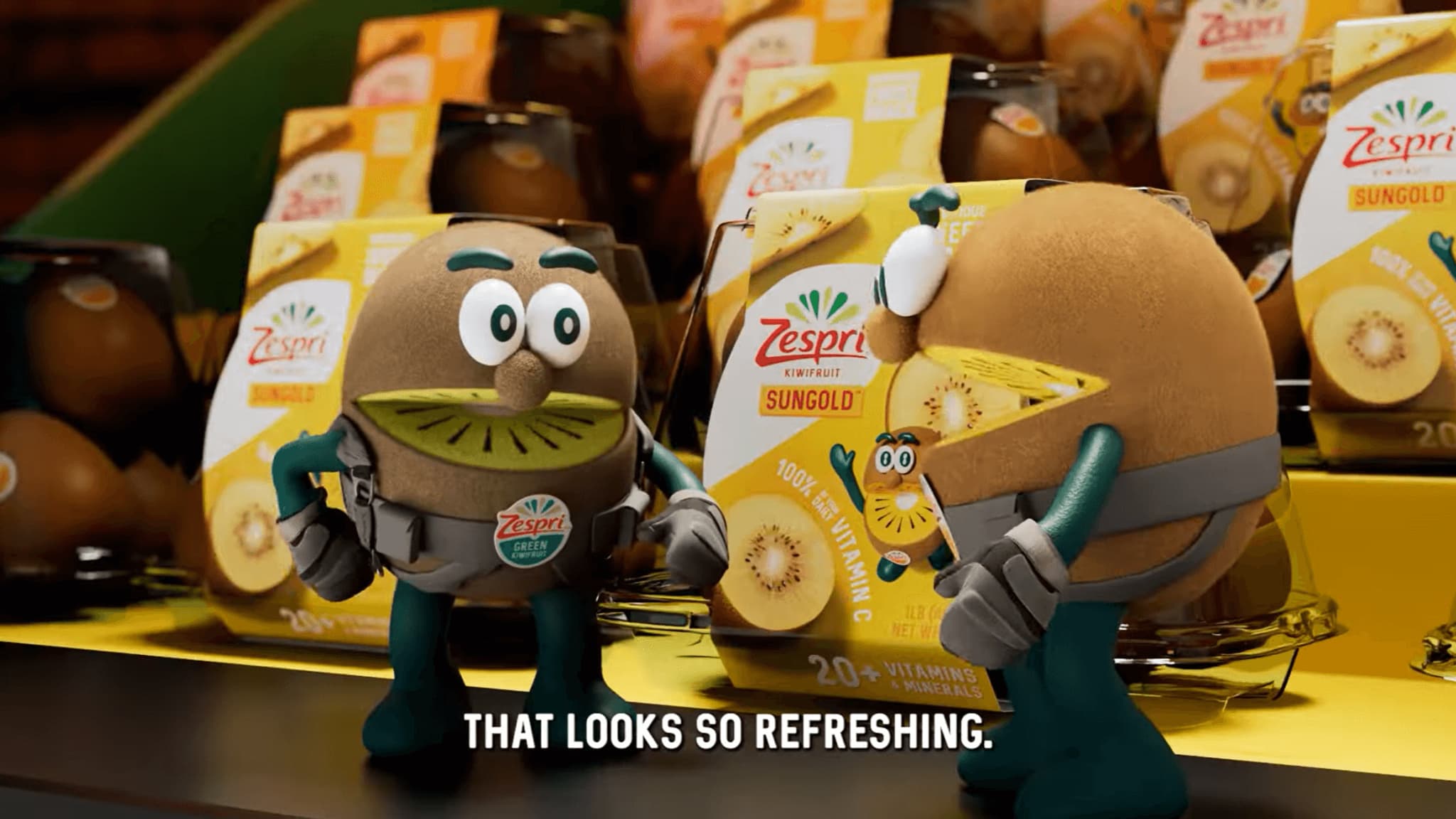
Brand identity is a system for recognition and behavior
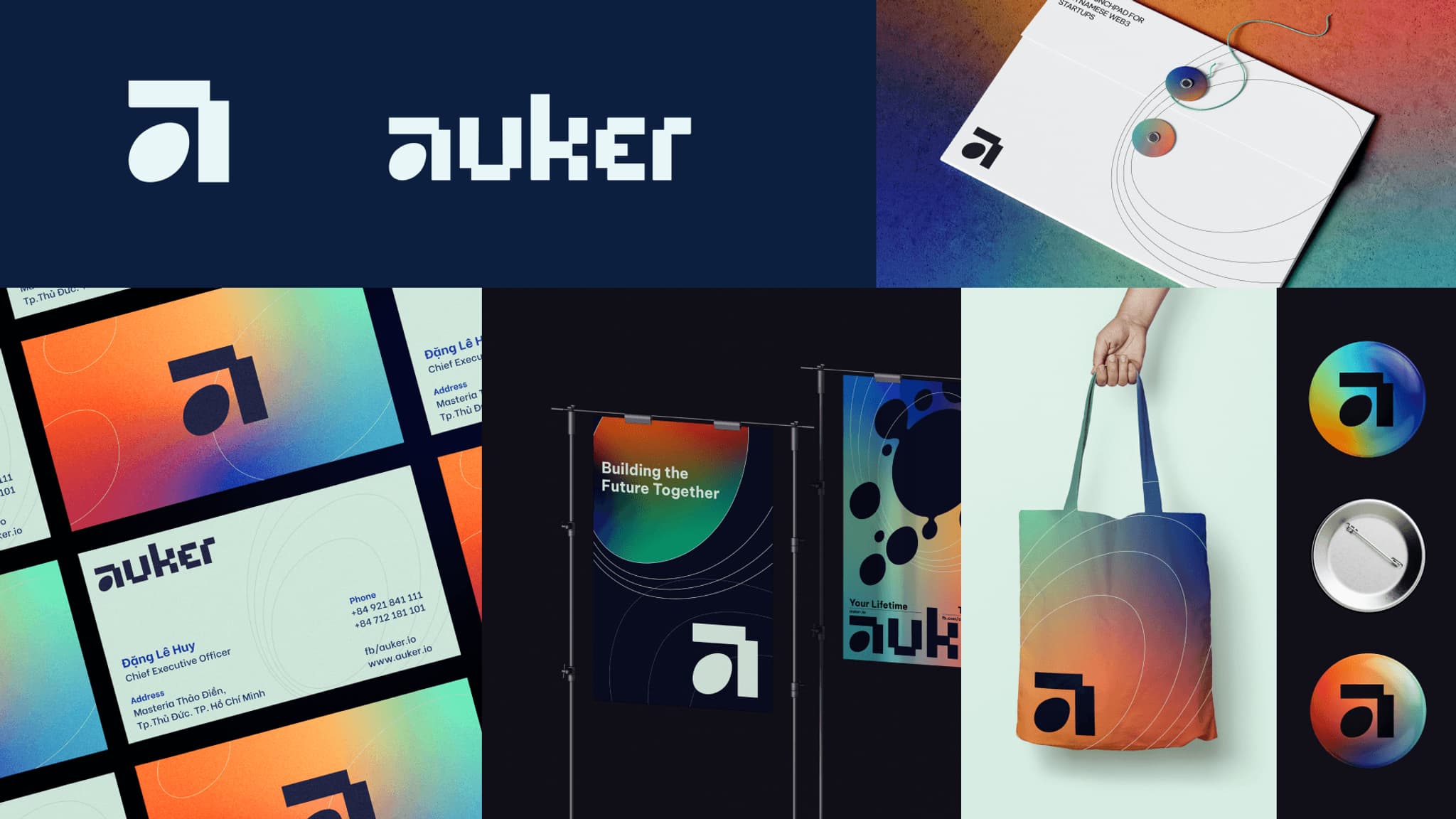
Summary
Brand identity is more than a logo, color palette, or visual refresh. It is the system that makes an organization recognizable, gives teams a shared way to make choices, and keeps its promise coherent as products, people, and contexts change.
Identity makes a brand recognizable, usable, and adaptable
Brand identity is the visible and behavioral system through which an organization becomes recognizable. It gives form to meaning, helps teams make coherent choices, and creates enough flexibility for the brand to evolve without losing its point of view.
This article looks beyond the logo to the decisions, experiences, and internal capabilities that make identity useful.
Brand identity is a system for recognition and behavior
A brand identity is often reduced to the things people can see: a logo, colors, type, imagery, and a set of rules for using them. Those elements matter, but they are only the surface of a larger system.
Identity is how an organization becomes recognizable and how it makes its point of view repeatable. It gives shape to a promise, helps people know what belongs together, and gives teams a shared way to make choices when the context changes.
Our view at CDA is that identity should do three jobs at once: make meaning visible, make behavior coherent, and make future change possible.

Identity is not the same as image
Image is the impression people currently hold. Identity is the system the organization can shape. The two influence one another, but they are not interchangeable.
A business can launch a polished identity and still be experienced as unclear, inconsistent, or difficult to trust. It can also have a strong reputation before its visual system catches up. The work is not to force an impression through more expression. It is to connect what the organization believes, does, and shows.
This distinction changes the brief. Instead of asking how the brand should look, ask what people need to recognize, understand, and feel confident about across the relationship.
Meaning gives the identity a job
Visual choices become stronger when they are connected to a meaningful idea. A typeface, color, image style, or motion behavior should not exist only because it feels appropriate. It should help express a point of view or make an experience easier to navigate.
Start with the change the organization wants to make in people’s lives or decisions. What tension does it address? What should feel different after the brand has been encountered? What belief must the organization prove rather than merely claim?
Meaning does not need to become a literal visual metaphor. It needs to give the system a reason to be the way it is.

Recognition depends on difference and consistency
A brand becomes recognizable when people can identify its presence without being told. That recognition comes from a set of distinctive signals working together over time, not from repeating a logo in every available space.
Consistency does not mean making every application identical. It means preserving the relationships that make the system feel like one thing. The hierarchy can change because the task changes. The expression can adapt because the audience changes. The underlying idea should remain legible.
Distinctiveness is therefore a strategic choice. What should people notice first? Which category conventions are useful, and which ones make the brand disappear? What can the organization own through repeated, credible use?
A useful identity system has layers
A flexible identity usually has several layers:
- Core meaning: the idea and point of view the system protects.
- Recognition cues: the forms, colors, language, and behaviors people learn to associate with the brand.
- Application patterns: how the system works in products, spaces, campaigns, interfaces, and conversations.
- Decision principles: guidance for what to do when a new situation is not covered by an example.
Without the core, the system becomes decoration. Without application patterns, it stays abstract. Without principles, it becomes a rulebook that breaks as soon as the organization moves.
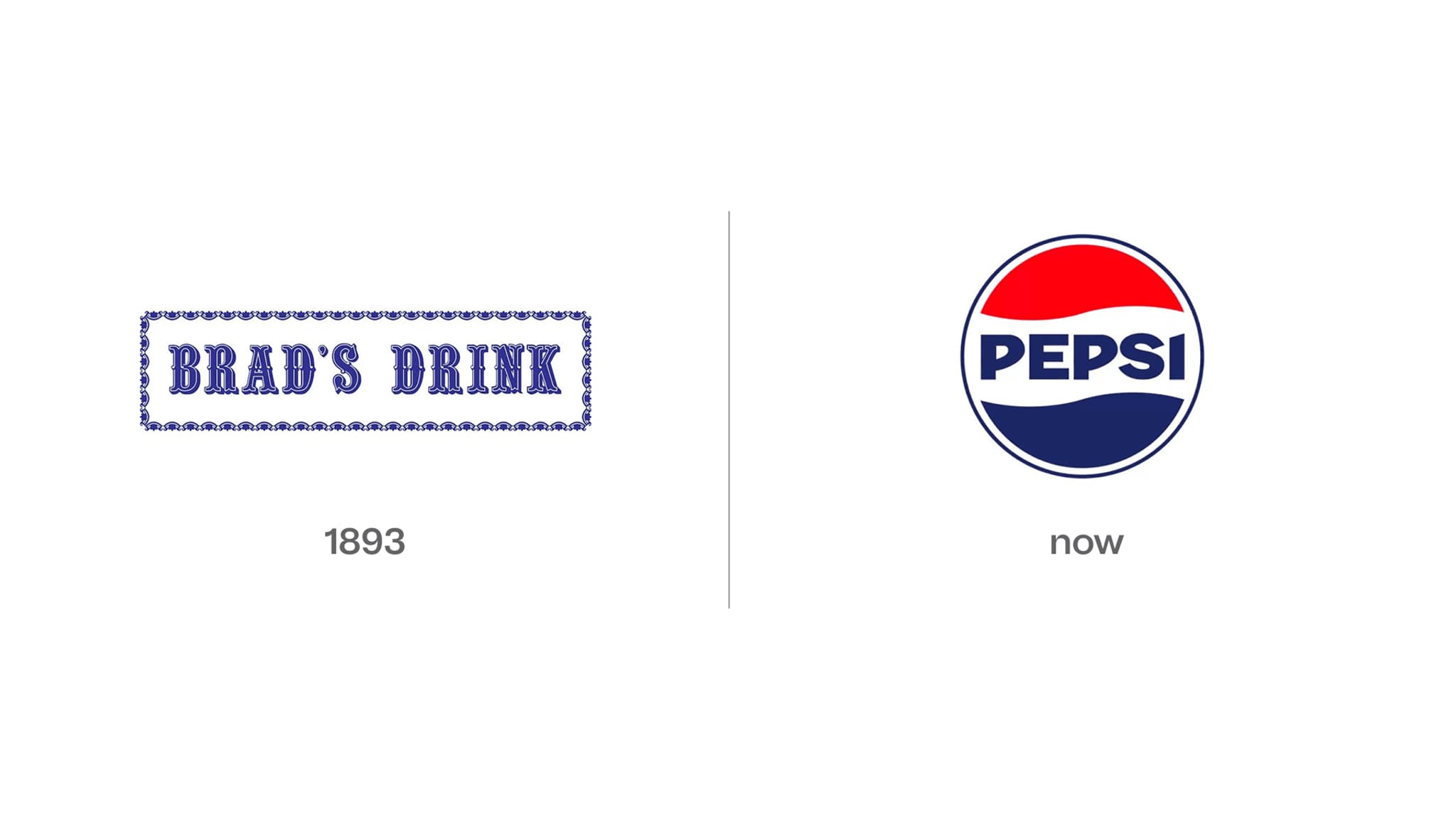
Identity is a decision language for the organization
People inside a company use identity to decide what to say, show, build, and prioritize. The system gives them a shared language when the original design team is not in the room.
That language should help answer practical questions. Is this message clear enough for the people we serve? Does this image show the relationship we want to create? Does this new product belong in the same family? Does this partnership strengthen or blur the promise?
A brand guideline should not only explain the correct spacing around a logo. It should help people understand the judgment behind the system. [CDA’s approach to branding](/capabilities/branding) connects the visible expression to the choices that make it useful.

A brand guide should create confidence, not fear
When guidelines become a list of prohibitions, teams either avoid using the identity or ask for permission before making ordinary decisions. Neither outcome builds a living brand.
Give people a small number of non-negotiables and a clear reason for each one. Then show where adaptation is expected. A system can protect recognition while allowing different teams, cultures, formats, and moments to speak in their own way.
The test is simple: can a capable person make a new application without copying an old one? If not, the system has examples but not enough understanding.
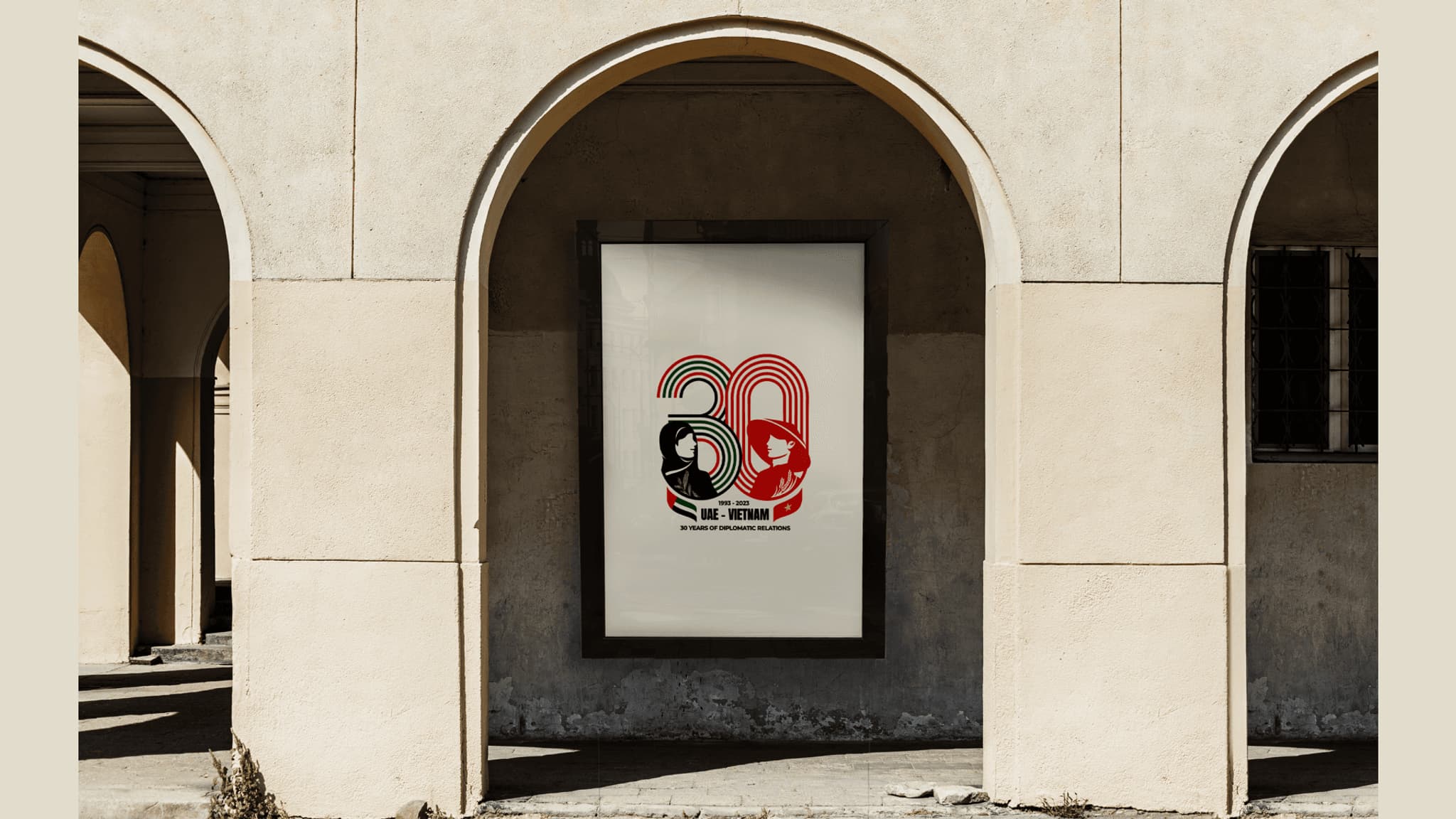
Identity is experienced beyond marketing
People meet a brand through more than campaigns. They meet it in a proposal, an email, a product interface, a service response, a workspace, a delivery, and the way an employee explains a limitation.
That does not mean every interaction needs the same visual treatment. It means the relationship should carry a recognizable quality. A brand that claims clarity should not make people work to understand the next step. A brand that claims care should not hide behind inaccessible language. A brand that claims ambition should not make every decision feel cautious.
Identity becomes credible when the experience around it confirms the idea.

Internal adoption is part of the identity project
A brand identity fails quietly when the people who use it do not know why it exists. They may apply the files correctly while making decisions that pull the experience in different directions.
Introduce the system through the work people actually do. Show how it changes a sales story, a service message, a product screen, or a leadership decision. Give teams tools that fit their pace, and invite them to surface situations the original system did not anticipate.
Adoption is not a launch event. It is the steady process of turning an idea into shared capability.
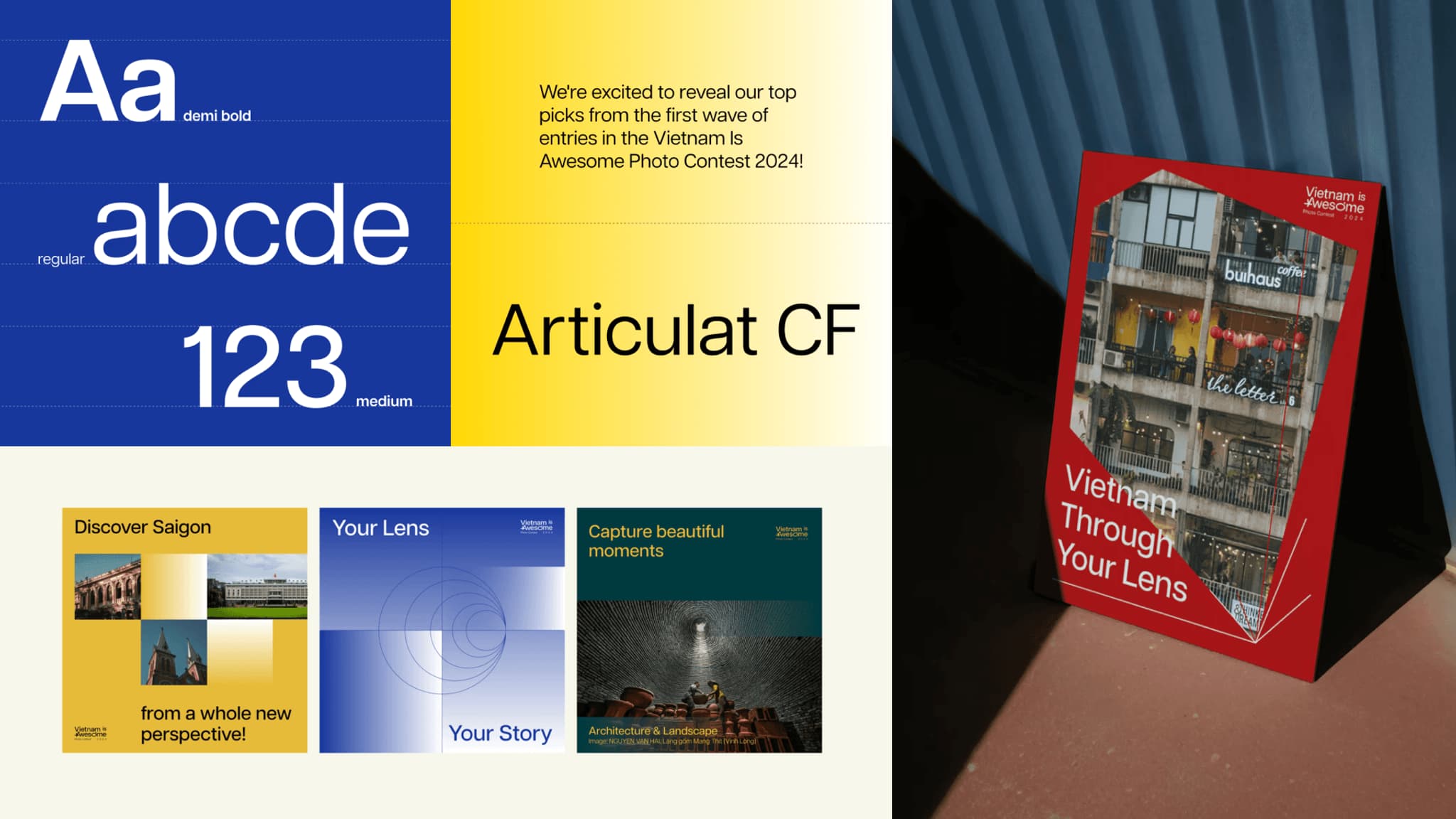
Governance should protect meaning, not police taste
Every living identity needs some governance. New products, markets, channels, and partners create decisions that cannot be solved by the original launch files.
Good governance answers three questions: who can decide, what must be protected, and when should the system evolve? It does not require a central team to approve every banner. It creates clear thresholds for decisions that affect recognition, accessibility, trust, and the core promise.
When governance is visible and proportionate, teams can move with more confidence. The system remains coherent without becoming slow.

An identity must be designed for change
The future is not a single style direction. It is the set of conditions the organization has not met yet. New audiences bring different expectations. New channels change how information is consumed. New capabilities make old boundaries less useful.
Design the identity around relationships rather than a fixed collection of outputs. Which elements create recognition? Which can flex? What should happen when a new service does not fit the existing hierarchy? A system that can answer those questions is more durable than one with a perfect launch composition.
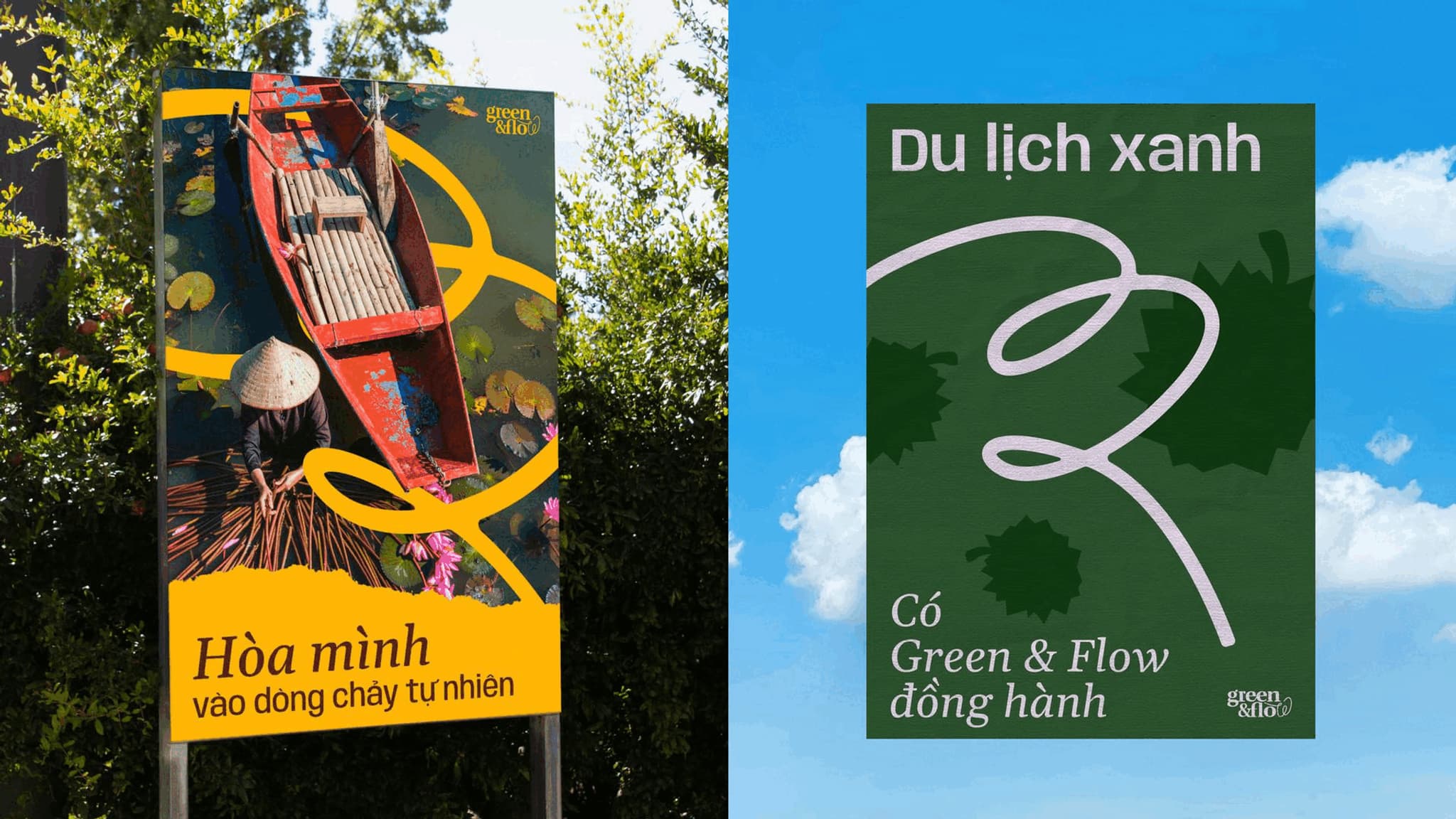
Audit the identity through real decisions
To understand whether an identity is working, look at the decisions around it.
- Can people explain what the organization is here to make possible?
- Can teams use the identity without asking for constant interpretation?
- Do different touchpoints express the same promise in their own appropriate way?
- Can a new product or message enter the system without becoming an awkward exception?
- Does the system help people understand what matters, or does it add visual noise?
Review examples from everyday work, not only the approved showcase. The gaps between the ideal and the ordinary reveal where the system needs more clarity or more ownership.
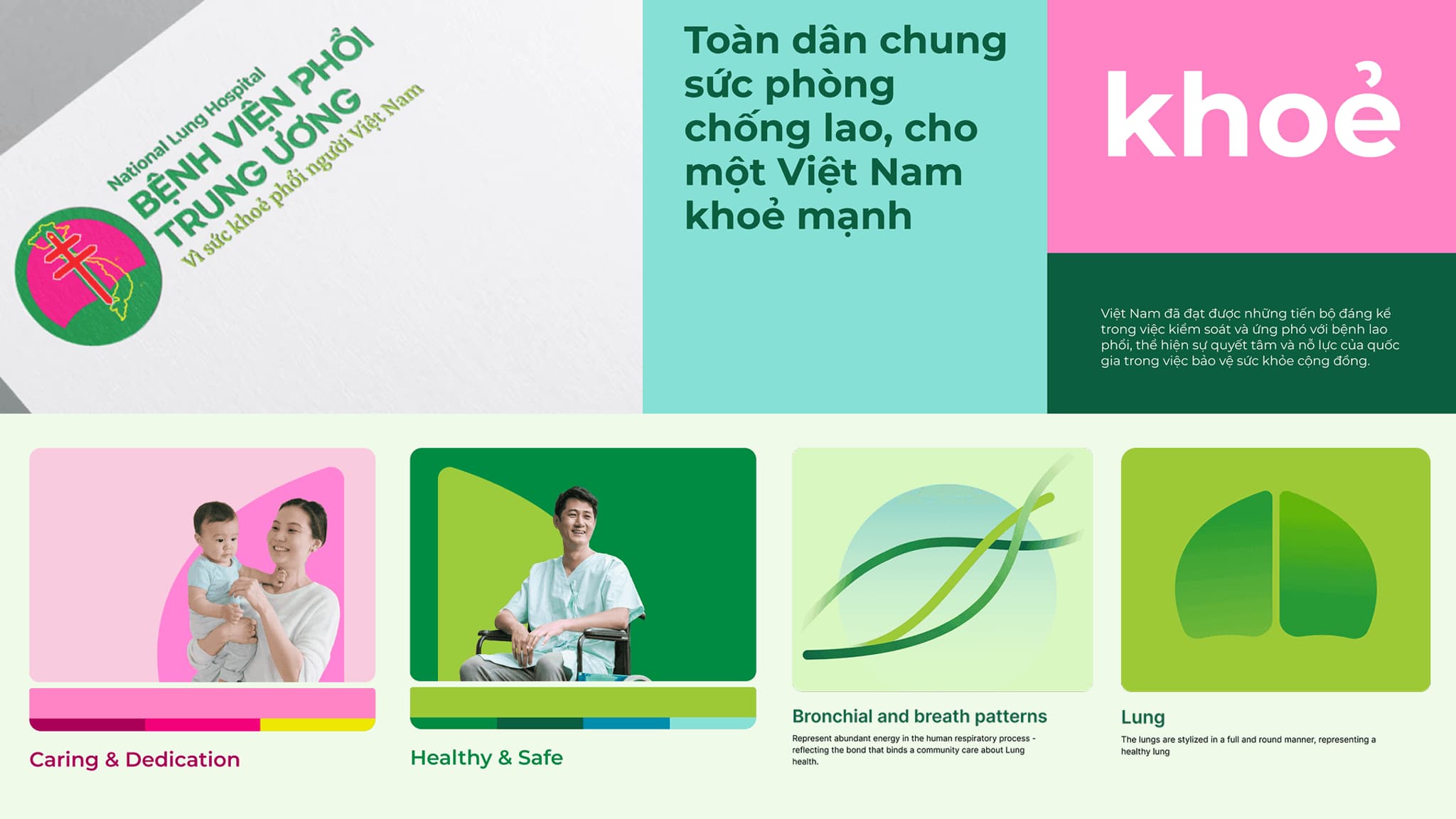
Write an identity brief that names the responsibility
A useful identity brief should state:
- the human tension the organization is responding to;
- the point of view that makes its contribution distinctive;
- the behaviors the brand must make credible;
- the audiences and situations where recognition matters;
- the constraints the system must respect;
- the evidence that will show the identity is becoming useful.
This makes the project more than a request for a new look. It gives the creative team a real problem and gives the organization a standard for evaluating the result.
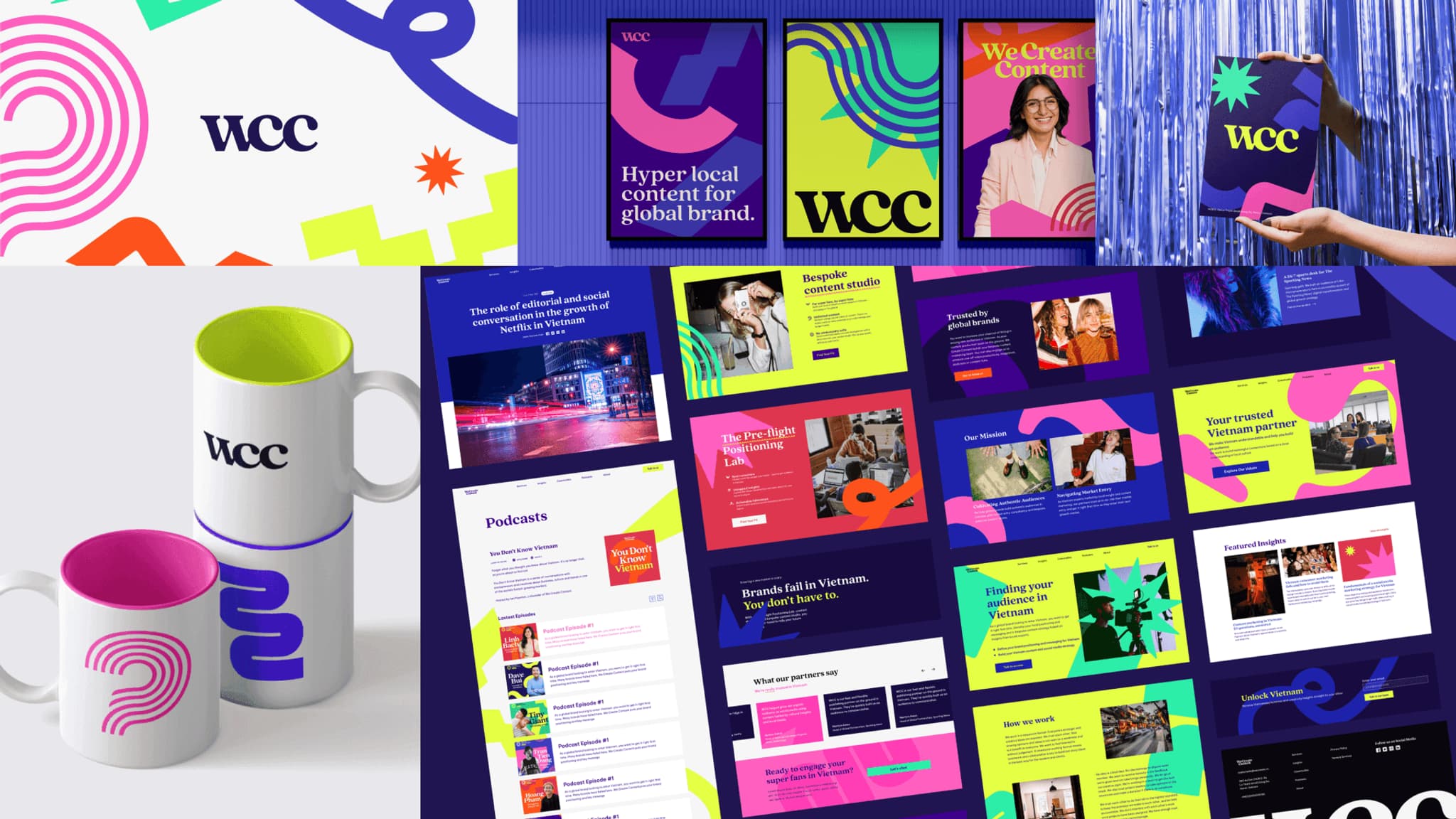
Keep the system alive through practice
A brand identity is not finished when the guidelines are exported. It becomes real through use, correction, conversation, and the occasional decision to remove what no longer serves the promise.
Review what people recognize, what teams can carry forward, and where the experience contradicts the story. Preserve the idea that makes the system valuable. Let the expression evolve when the context asks it to.
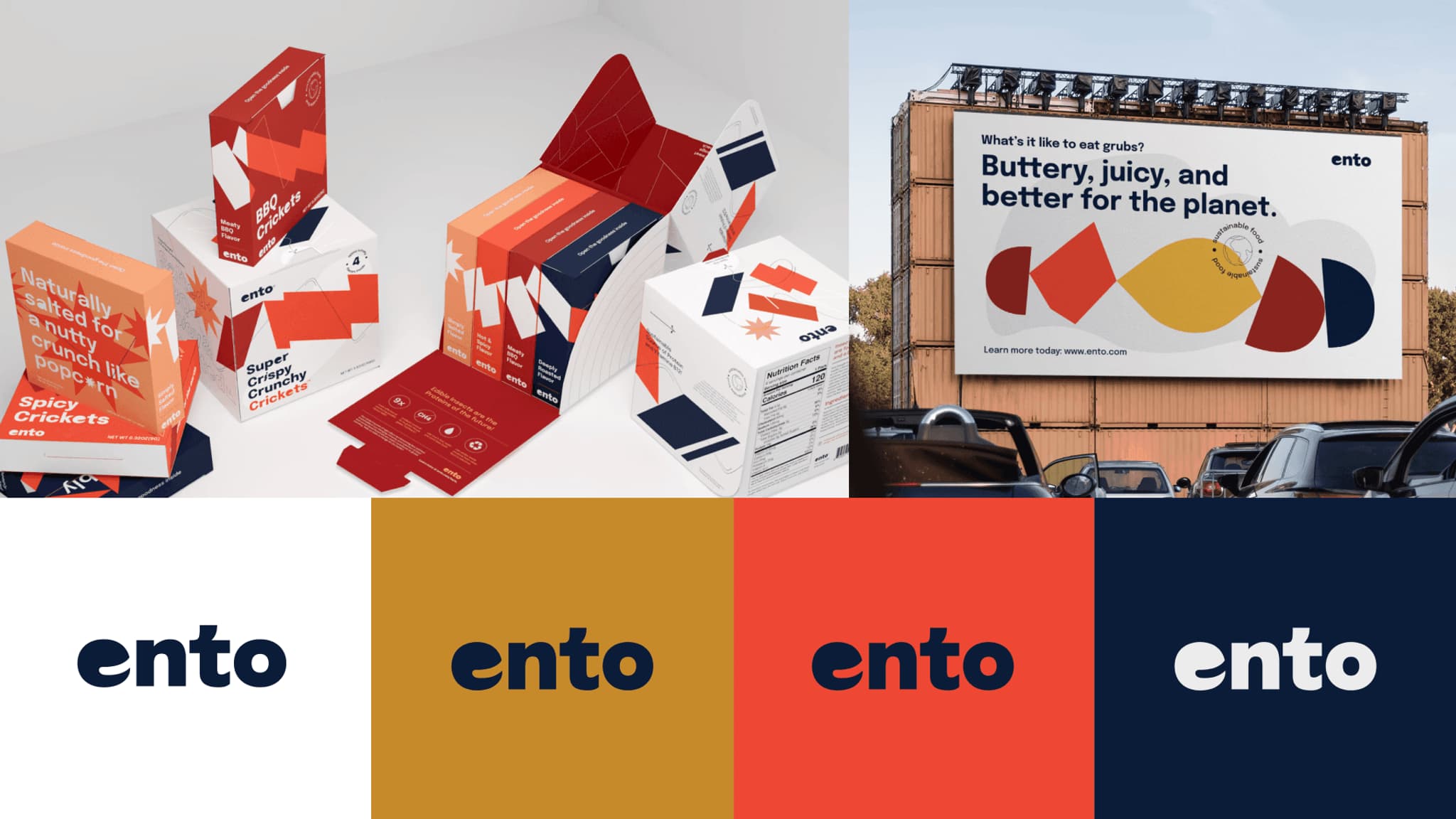
Brand identity is a shared promise made visible
A logo can identify an organization. An identity system helps people understand what the organization stands for, how it behaves, and why its presence matters.
That is why identity goes beyond looks. It connects meaning to form, form to behavior, and behavior to a relationship that can grow. Build the system around the choices you are prepared to repeat. The visual language will become stronger because the promise behind it is real.