Summary
Brand loyalty grows from repeated proof, not just rewards or discounts. CDA explains how trust, experience, and organizational choices turn retention into durable preference.
Summary
Brand loyalty grows from repeated proof, not just rewards or discounts. CDA explains how trust, experience, and organizational choices turn retention into durable preference.


Brand loyalty is the memory of reliable choices. Customers return for many reasons, but durable preference develops when a brand repeatedly proves its promise through the product, the experience, and the decisions behind both.
That makes loyalty an organizational design problem as much as a marketing ambition. The useful question is not how to make people love a brand. It is what the business can do consistently enough to make choosing it feel sensible and meaningful again.
Brand loyalty is often discussed as if it were a prize a company can win. Launch a rewards scheme, improve the campaign, add a personal touch, and loyal customers will appear. That framing makes loyalty sound like a marketing asset. In practice, it is a customer’s accumulated judgment that choosing your brand is worth repeating.
That judgment is built from evidence. The product works as promised. The service behaves consistently. The brand recognizes the customer without pretending to know more than it does. When something goes wrong, the company repairs the relationship rather than hiding behind a policy. Values matter, but only when they can be felt in decisions.
Our view at CDA is simple: brand loyalty is the memory of reliable choices. It is not created by saying that a brand cares. It is created when the organization repeatedly gives people a reason to believe it.
Retention measures whether a customer comes back. Loyalty asks why. A customer may return because switching is difficult, a contract is still active, a promotion is attractive, or no alternative is available. Those are commercial conditions, not necessarily attachment.
Customer retention is valuable, but confusing it with brand loyalty creates bad decisions. A discount can change behavior without changing preference. A points system can reward frequency without increasing trust. A familiar interface can reduce friction while leaving the brand interchangeable.
A useful distinction is to look at what happens when the easy incentive disappears. If the relationship collapses as soon as the price normalizes, the business has built a transaction engine. If customers continue to choose the brand because its promise, behavior, and meaning remain credible, something deeper is at work.
This is not an argument against promotions or loyalty programs. It is an argument for giving them the right job. Programs can support a relationship. They cannot substitute for one.
Loyalty becomes more durable when a brand creates proof in several dimensions at once. The dimensions overlap, but each answers a different question in the customer’s mind.
Weak loyalty strategies usually overinvest in one dimension. A beautiful identity cannot rescue an unreliable service. A generous rewards program cannot make an undifferentiated product meaningful. A purpose statement cannot compensate for decisions that repeatedly inconvenience the people it claims to serve.
The work is to connect the dimensions. The brand promise should be clear enough to guide behavior, the operating system should make that behavior possible, and the experience should make the promise easy to recognize.
People do form emotional attachments to brands. But emotion is not a floating layer placed on top of a business. It is produced by encounters: a reassuring explanation, a familiar ritual, a product that opens a possibility, or a company that takes responsibility when the experience falls short.
That is why the most useful brand work connects stories and systems. The story gives a relationship meaning. The system gives the relationship somewhere to live. Tone of voice, service rules, product decisions, retail environments, digital journeys, and internal incentives all participate in the same impression.
When those signals disagree, customers do not experience a nuanced brand. They experience uncertainty. The campaign says “we understand you,” while the process makes people repeat their problem three times. The packaging speaks about care, while the replacement policy makes care expensive. Loyalty erodes in the gap between the stated idea and the repeated experience.
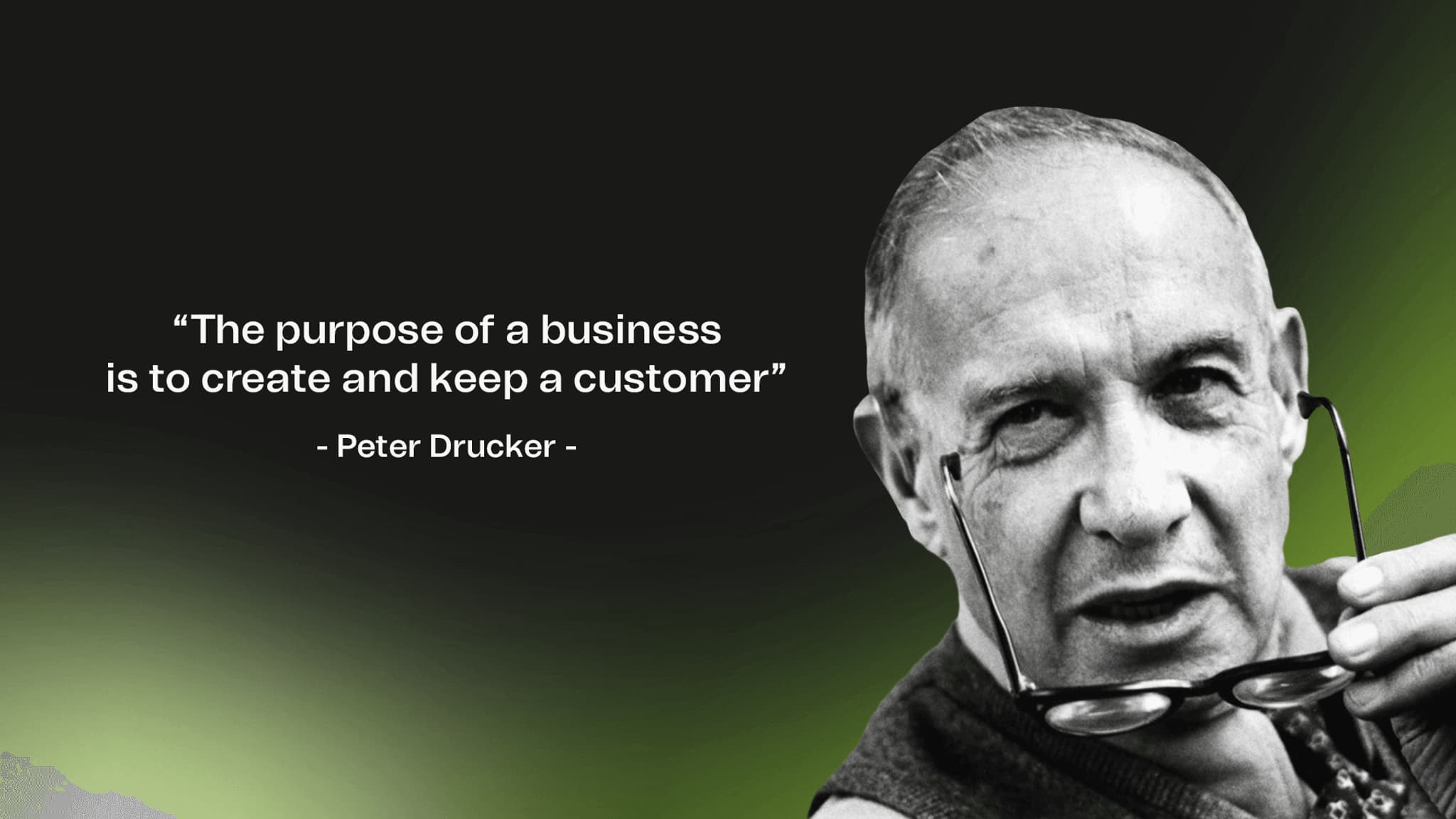
Short-term commercial pressure makes loyalty difficult to build because the most visible numbers often favor acquisition and immediate conversion. A new discount produces a quick response. A careful service improvement may take longer to be noticed. A clearer brand promise may change fewer clicks while improving the quality of the customers who stay.
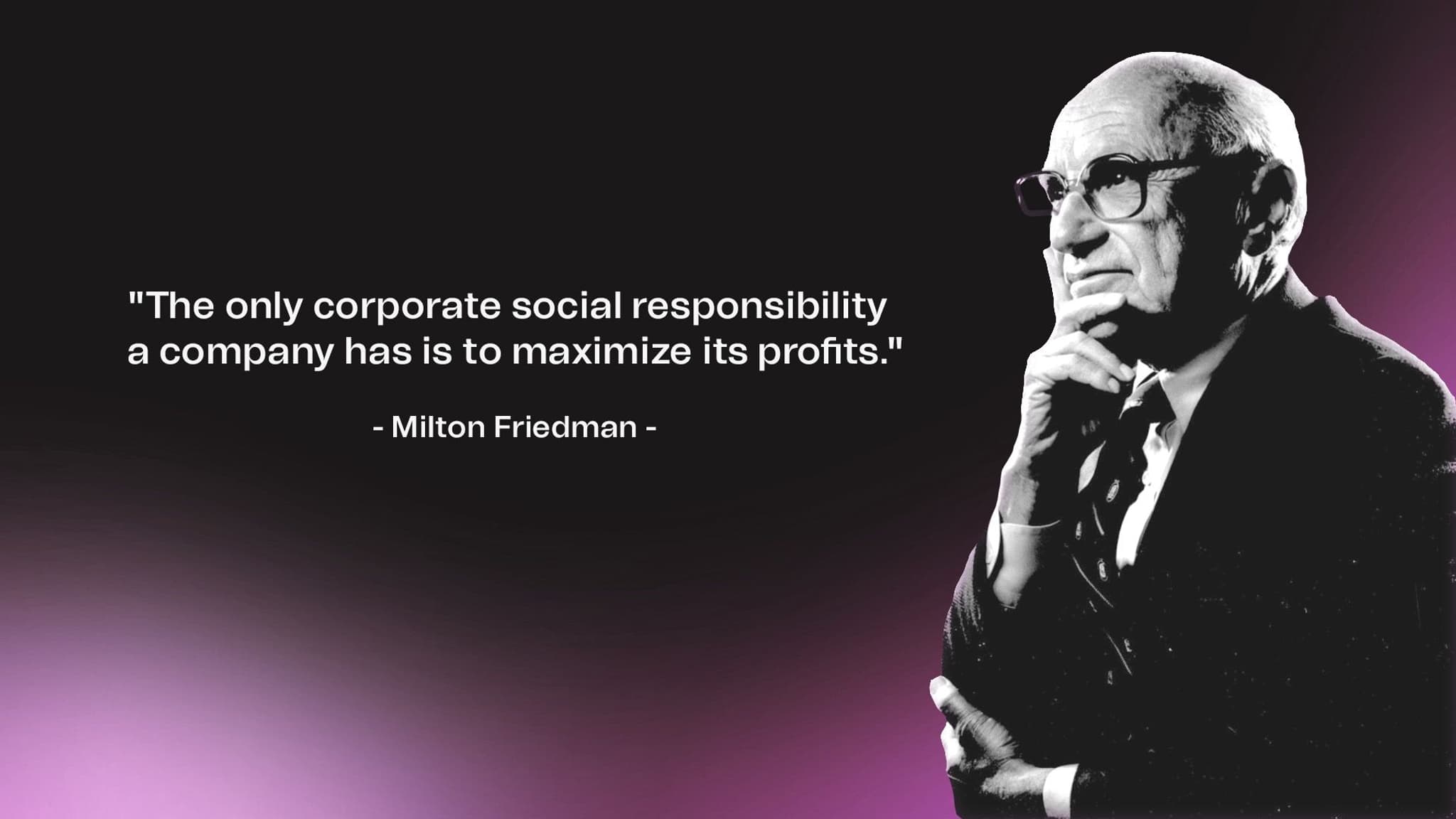
The familiar business debate between customer value and shareholder value is useful here, but only if it is treated as a design question rather than a moral slogan. Businesses need returns. The question is whether the route to those returns strengthens the conditions that make future choice possible.
At one extreme, a business extracts value from existing relationships until customers feel the cost. At the other, it invests in every request without a viable model. Durable loyalty sits between those extremes. It asks the organization to create value for customers in a way that can be repeated, funded, and improved.
Leadership therefore has to decide which signals matter over time. Are teams rewarded only for the sale, or also for reducing avoidable effort? Are complaints treated as noise, or as evidence of a broken promise? What the company measures tells people what kind of loyalty it is actually building.
Loyalty is tested at ordinary moments, not only at the emotional peak of a launch. Someone is comparing alternatives. Someone needs help. Someone has been disappointed. Someone is deciding whether a higher price is justified. These are the moments where a brand becomes a pattern of choices.
Map those moments before designing a loyalty initiative. For each one, ask:
This shifts loyalty work from “How do we make people love us?” to a more useful question: What would make choosing us feel like a sensible and meaningful decision again?
The answer may involve a product change, a clearer service promise, a better onboarding flow, a more honest message, or a decision to stop doing something that has trained customers to wait for a discount. The brand team may help define the direction, but the organization has to carry it.

Before investing in another retention campaign, run a short audit across the full relationship.
Use customer language and operational evidence where possible. Read support conversations, observe the handoff between teams, review cancellation reasons, and compare what the brand claims with what the process requires. The purpose is not to produce a more persuasive loyalty story. It is to locate the decisions that make loyalty easier or harder.
Then choose one or two changes that the organization can sustain. A small, repeated improvement is more valuable than a large promise the business cannot keep.
Brand loyalty is not a soft outcome reserved for marketing. It is the cumulative result of choices about quality, attention, trade-offs, and responsibility. Marketing can make the pattern visible, but it cannot create proof that the rest of the organization refuses to provide.
The strongest loyalty strategy is therefore less about holding customers tightly and more about becoming worth choosing. It makes the relationship clearer, more useful, and more trustworthy over time. That is the work: align the promise with the system, let the experience carry the story, and keep improving the evidence.
A customer may not be able to explain the whole system. They can still feel whether it deserves another choice.